Column success test
The Creatures Center has worked when fear becomes one named route rule instead of a vague warning.
Topic center
Use this center when the route feels unsafe, a creature keeps ending runs, or the next move depends on reading danger instead of pushing harder.
Open this page when the blocker is fear, danger, or visibility, and you need a cleaner route decision before trying again.
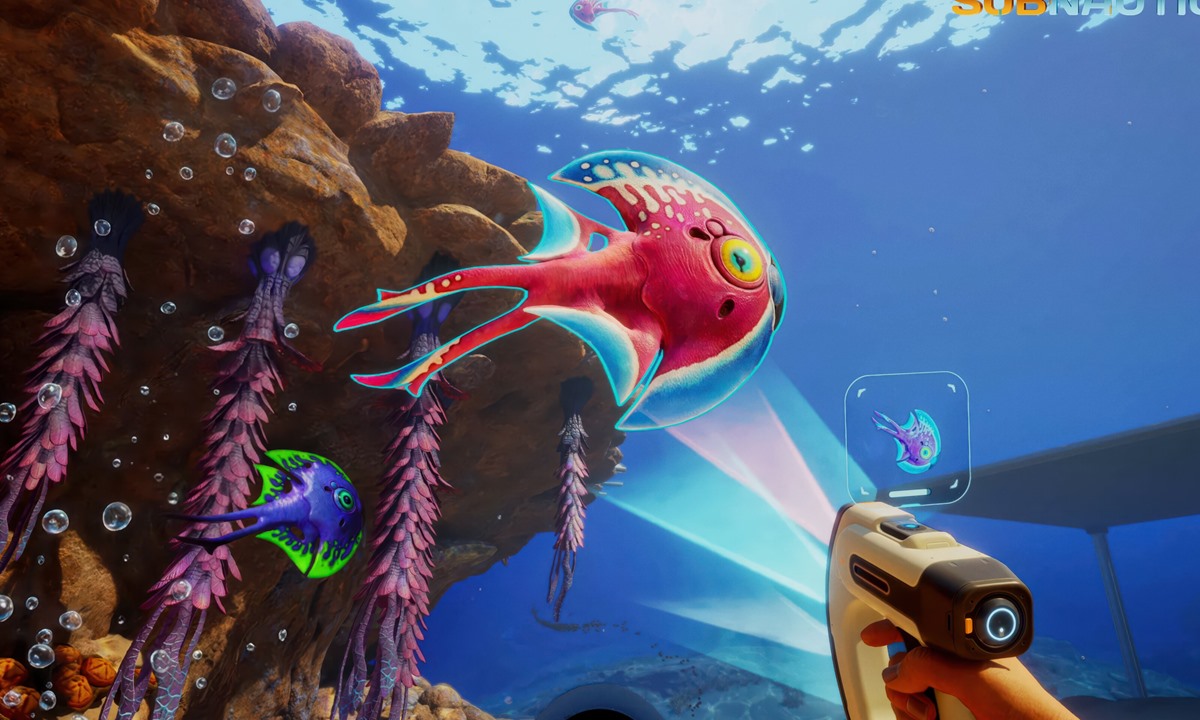


Column triage
This column should not make danger feel bigger. It should name the threat, separate creature pressure from route confusion, and send the reader to the page that prevents the next failed repeat.
| Danger problem | Open first | Leave this center when |
|---|---|---|
| One creature or sound cue keeps changing the route. | Creature Threats | The threat has a named response. |
| The whole area feels unsafe or unreadable. | Dangerous Zones | You have a green/yellow/red route decision. |
| You keep pushing one minute too long. | Go Home or Keep Exploring | The return rule is clear before leaving base. |
| The safer path is still unknown. | Safe Biomes | A repeatable safe loop exists. |
The Creatures Center has worked when fear becomes one named route rule instead of a vague warning.
Material planning, base timing, or vehicle upgrades. Danger advice only helps once the threat or zone is the blocker.
If the problem is the path more than the creature, switch to Map before repeating the same route.
Exit rule
Creature pages are valuable when they turn fear into an action: skirt the edge, bank early, avoid one sound cue, or choose a safer route. They become low value if the player keeps rereading danger notes without changing the trip plan.
Stay here while the blocker is a creature cue, unsafe zone, or panic decision. Leave for Map when the safer path is unknown, leave for Vehicles when the trip needs range or protection, and leave for Resources when the danger is only worth taking for a named payoff. The page succeeds when the next attempt has one clear turn-back rule.
Use this center when threat pressure is the actual blocker, not just a bad trip.
Use it when route fear, visibility, or creature pressure is making repeat attempts expensive.
If the route shape is the real issue, solve that first and come back here after.
Answer-first workflow
Name the threat, identify the zone pressure, and set one turn-back rule before repeating the same route.
Read the cue that made the trip risky, find the nearest safer edge, rebuild the route around landmarks, then decide when to go home before oxygen or panic makes the decision.
If the issue becomes depth readiness, material payoff, or vehicle range, move to those hubs instead of rereading threat advice.
Danger decision table
| Player symptom | Likely answer | Do not force it if | Next page |
|---|---|---|---|
| A creature keeps ending the route | Name the threat and adjust the approach before repeating. | You cannot identify the cue that made the encounter unsafe. | Creature threats |
| The whole area feels wrong | Treat the zone as the blocker and route around it. | You have no safe landmark or return path. | Dangerous zones |
| The run is profitable but risky | Set a return rule before the reward gets too tempting. | Oxygen, storage, or depth support is already strained. | Go home or keep exploring |
Danger lanes
The fastest answer is usually the one that names the creature or danger edge directly.
If the run still feels scary after one attempt, slow down and use the safer route pages.
Use these pages when the question is whether to keep exploring or head home now.
Threat map
Name the threat first so the route fix is actually useful.
Use danger-zone guidance when the area itself should be avoided or rerouted.
Switch to calmer biomes when the current lane is making the run too expensive.
Stop the trip before the risk becomes bigger than the reward.