Community
Use this page when the report should become part of the site’s public maintenance trail or review queue.
Community reports
This hub collects correction paths, reader reports, contribution rules, and review priorities so the site looks and behaves like a maintained guide project, not a frozen article dump.
Open Community when you want to report a stale guide, send route proof, suggest a missing page, or see how reports turn into visible maintenance. If you only need the correct mailbox, use Contact. If you want source rules or publishing boundaries, use Editorial Policy.
Use this page when the report should become part of the site’s public maintenance trail or review queue.
Use direct email when you already know the issue type and want the fastest correction, map-proof, or partnership path.
Use structured report pages when the issue needs screenshots, route evidence, or a clearer review trail.
Use the policy page when you want to understand source order, review standards, ad boundaries, or what the site refuses to publish.
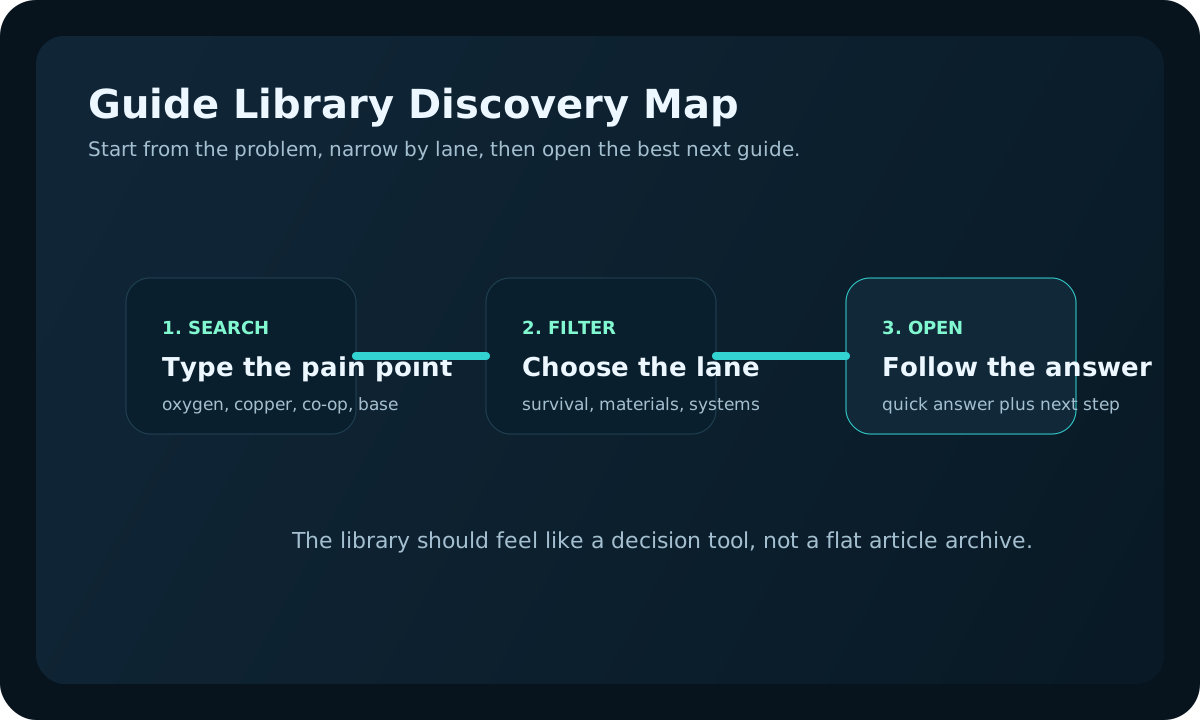
Choose the right path
| Your issue | Best page | What to include | Review priority |
|---|---|---|---|
| A guide is wrong after a patch | Correction path | Page URL, changed detail, patch or build context. | High when it affects route safety, resources, co-op, or systems. |
| A route, map, or danger zone does not match your run | Map proof format | Screenshot, route note, landmark, and where the old advice failed. | High because route errors can waste active runs. |
| A page has repeated or poor visuals | Reader reports | Page URL and which image, crop, or diagram feels wrong. | Medium unless it blocks reading or causes confusion. |
| A useful guide is missing | Contribute | The player problem, when it happens, and what answer would help. | Medium, higher if many players hit the same blocker. |
| You want to know how the site makes decisions | Editorial policy | No report needed; read source order, review rules, and boundaries. | Trust and review background. |
Community standards
One page link and one concrete mismatch is more useful than a broad complaint about the whole site.
Map, danger, resource, and base-location reports are easier to verify with a screenshot or route note.
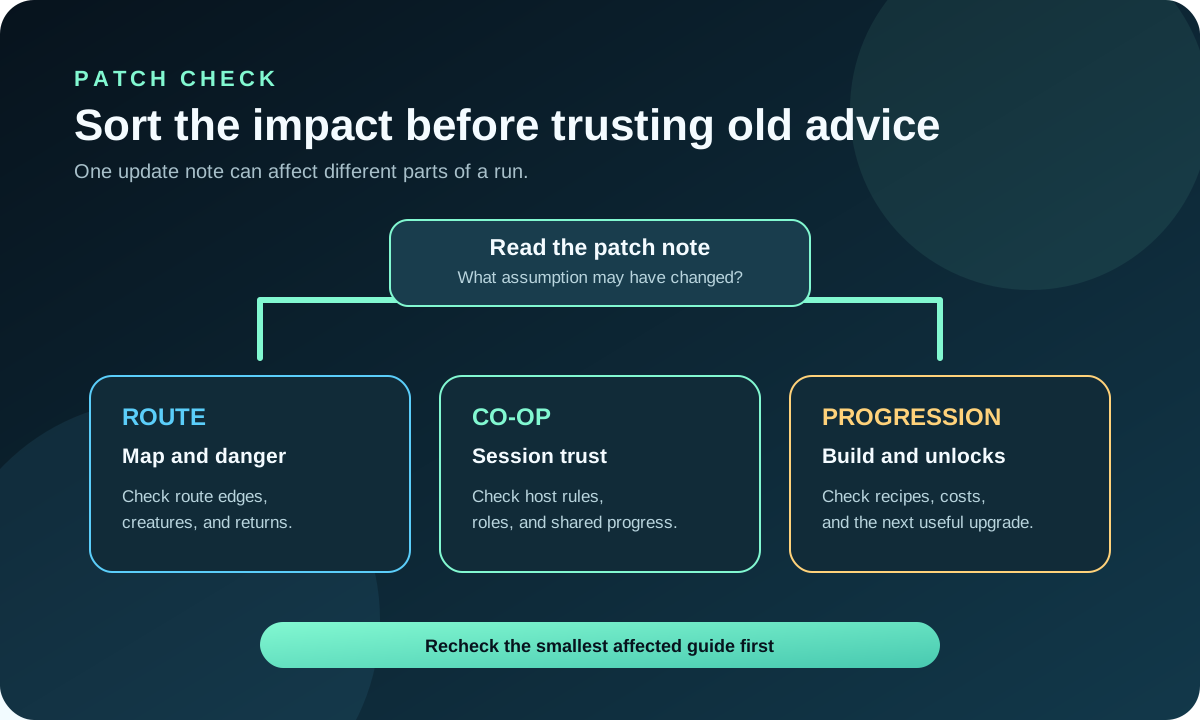
If a problem appeared after an update, say so. Patch-sensitive pages move first in review.
The site does not handle downloads, cheats, account services, unlockers, private files, or unofficial support.
What changes after reports
Route, resource, co-op, and system issues are grouped by the pages most likely to mislead active players.
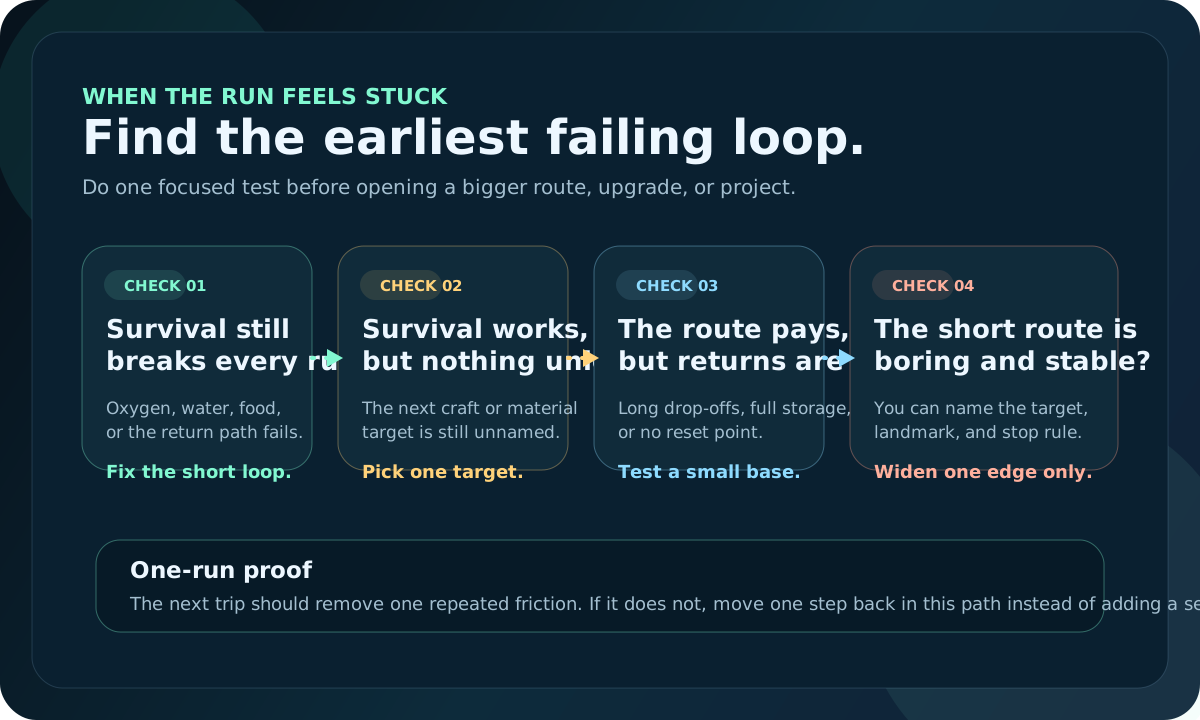
If a route is stale, the next link, table, diagram, or stop rule should also change so the reader can act on it.
Public update notes make the site look alive and give returning players a reason to trust newer pages first.
Community depth
This page should make the report path feel useful, not noisy. Good reports are specific enough to become a fix, and the page should tell readers what proof helps most before they send anything.