You do not need a full map yet. You need one repeatable early loop with a readable way home.
Biomes guide
Best early biome route in Subnautica 2
The best early route is not the deepest route. It is the loop that lets you scout one edge at a time, grab useful materials, and return before oxygen or visibility turns the trip into a rescue mission.
Last reviewed August 17, 2026
Patch sensitivity High
Route value can change quickly if biome edges, creature pressure, visibility, or early material density are updated.
Entry landmarks, turn-back timing, and one route that supports a named craft goal.
Quick answer
Start with a short home-base loop, then widen it toward safer biome edges where materials, landmarks, and return paths stay easy to read. Do not cross into darker or louder zones until oxygen, storage, and scanning tools make the trip repeatable.
Page media
Open these if you want the route to look real before you swim it.
Use the safest edge page and landmark follow-up that match your failure, then widen the route only after the return path feels repeatable.
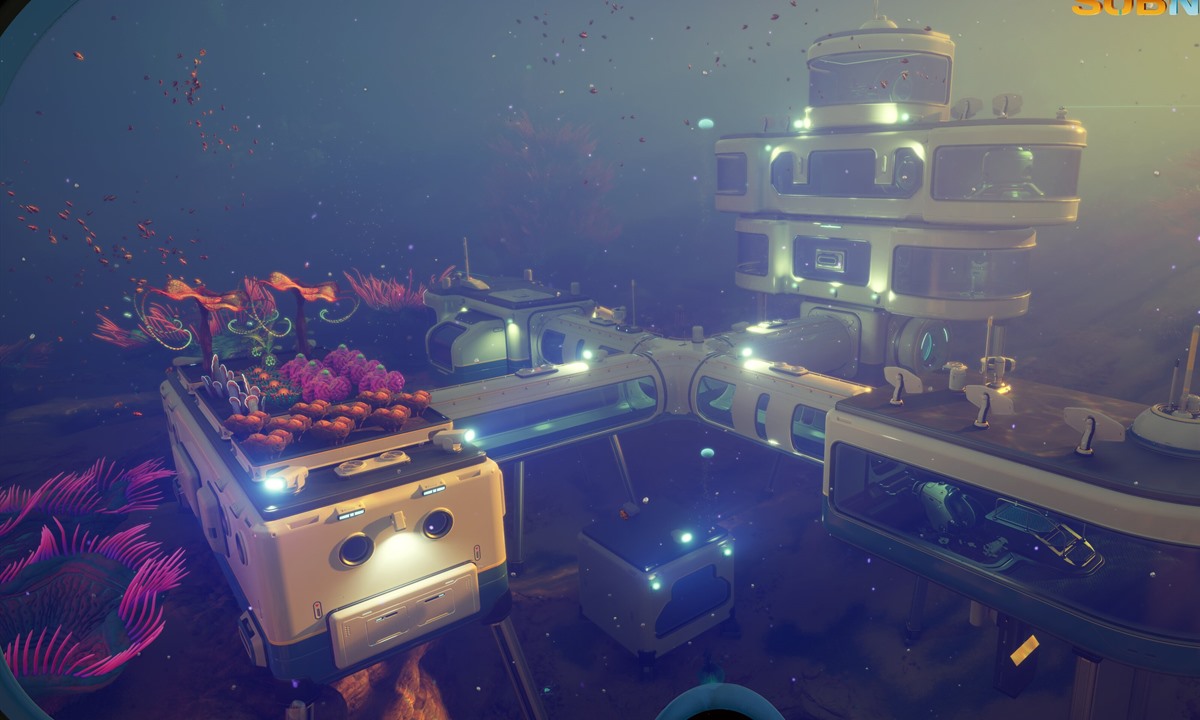
Opening base
First-hour route
Open this if the route still fails because survival, tool order, or return timing is not stable yet.
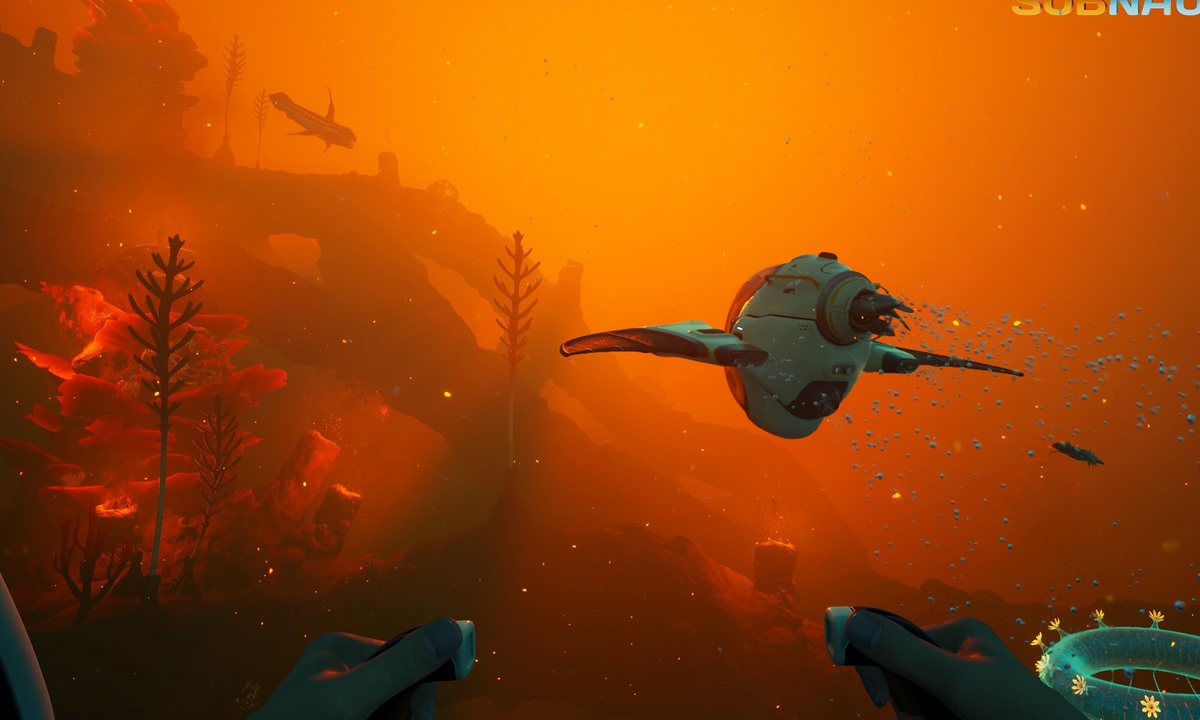
Safe loop
Best safe biomes for early exploration
Open this next when you need the calmest edge to repeat before testing any darker or noisier zone.
Return path
How to use landmarks for navigation
If the route out feels fine but the way home depends on guessing, build return cues first.
Good fit if
- You need one repeatable early loop, not a vague idea of where to explore.
- Your current route finds materials, but the return still feels sloppy or lucky.
- You are deciding whether to widen a safe edge or push into a darker biome center.
- You want a route that supports one useful craft instead of random gathering.
Route checklist
Use this checklist when deciding whether the next biome loop is ready to become part of your normal route rotation.
Early route decision table
Use this table when deciding whether to widen the route, repeat the loop, or return to base.
| Route stage | Goal | Continue when | Return when |
|---|---|---|---|
| Home loop | Learn oxygen return and collect basics. | The return landmark is obvious. | Inventory is useful or oxygen margin shrinks. |
| Biome edge | Scout materials and fragments without committing deep. | Visibility, sound, and oxygen stay calm. | The route starts pulling you toward dark or loud water. |
| Material loop | Repeat a safe route for one craft goal. | Each pass is faster and less stressful. | The next material requires a new landmark chain. |
| Expansion route | Push toward a new biome or rare target. | Tools, storage, and oxygen are stable. | The old route is not boring yet. |
Real gameplay checkpoints
These are the route scenes that tell you whether to widen the loop or turn back.
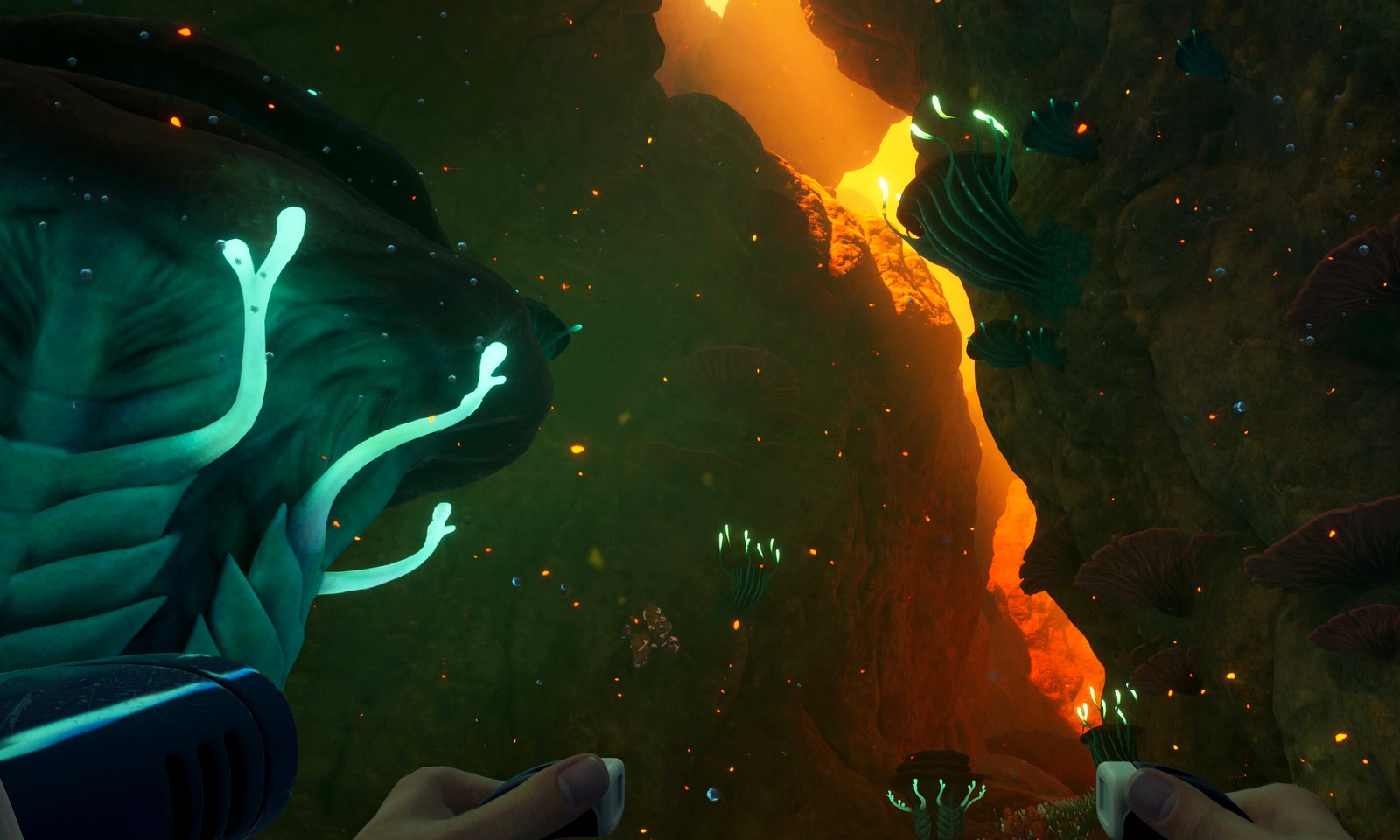
Use the picture in front of you to separate three different map decisions: calm shallow scouting, landmark-based route memory, and risk pressure that means the loop should stop here.
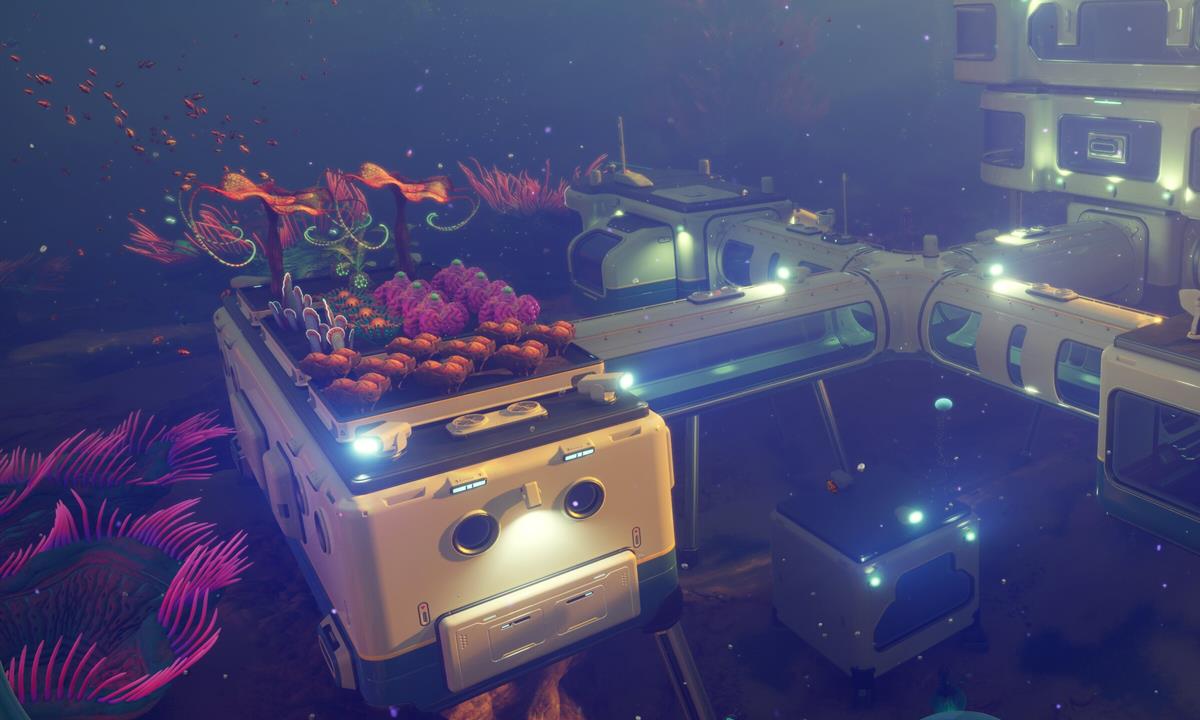
This is the kind of route you want before you ever test darker water.
Repeat calm shallow loops first when the safest gain still is building one reliable home-to-edge pattern.
Open safe-biomes guide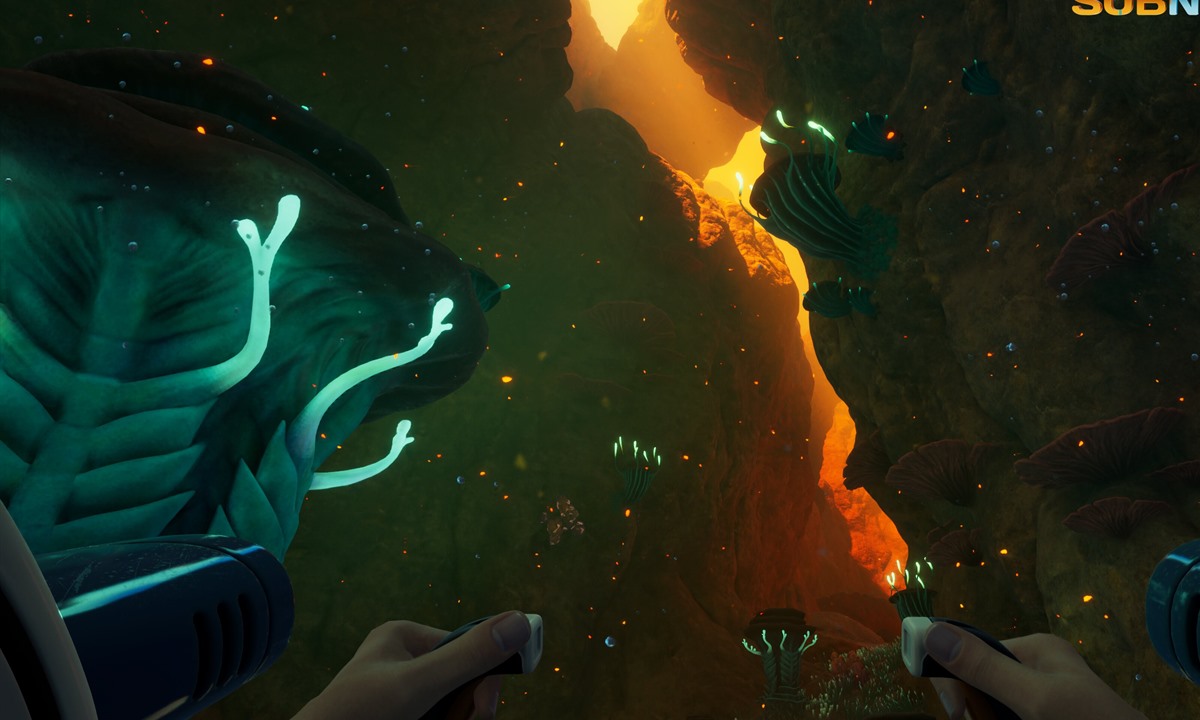
The route is manageable, but only if landmarks stay readable both out and back.
Switch into landmark training when getting home is harder than getting out to the target.
Open landmarks-navigation guide
Visibility and danger are stacking faster than the route is paying you back.
Use stop-rule or depth-timing pages when the run already feels like it should have ended one checkpoint ago.
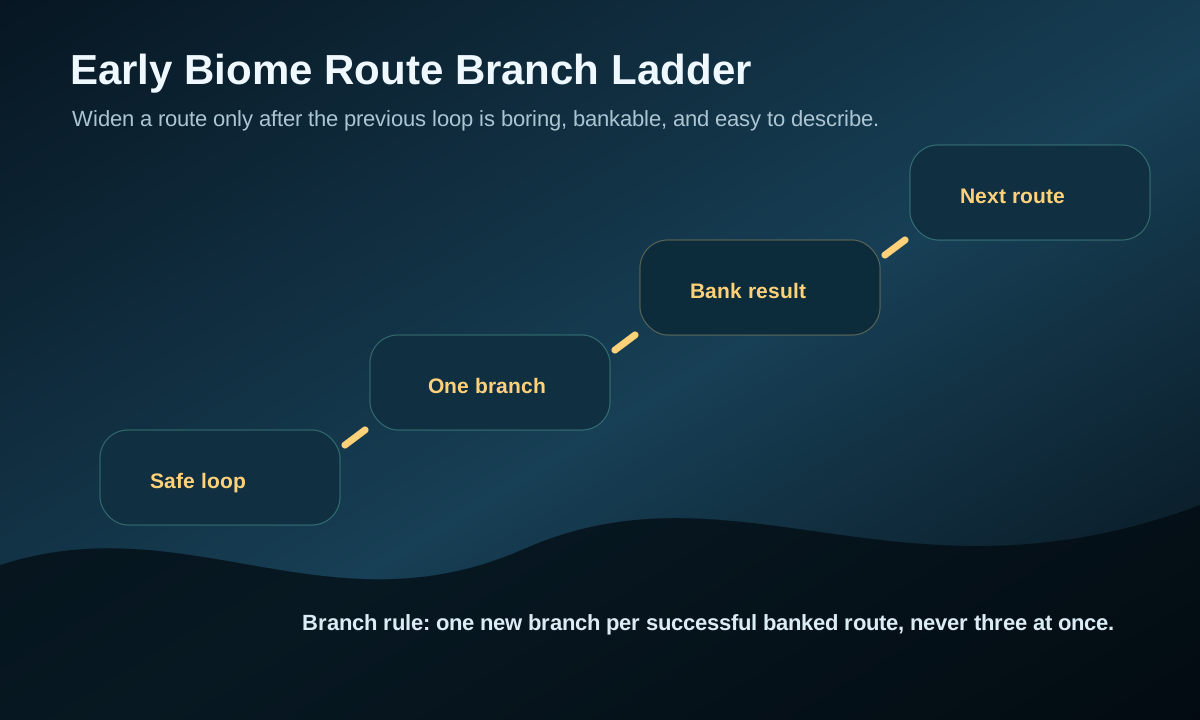
Open keep-exploring-or-go-home guideEarly route visual
Treat the first route as a loop, not a straight line. Scout a landmark, collect along the safer edge, then return while the path home is still obvious.
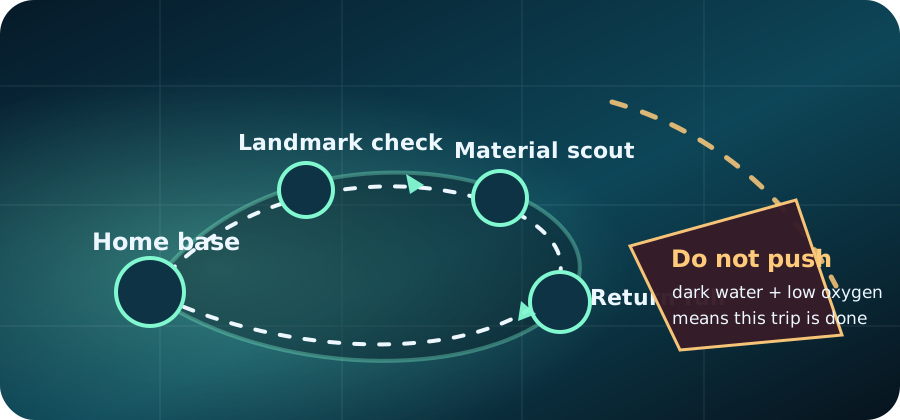
Early route priorities
- Mark a reliable return point before collecting anything far from safety.
- Scout the edge of a new biome before swimming into its center.
- Leave once storage is useful, not once every visible material is gone.
- Turn back early if oxygen, visibility, or creature noise starts stacking risk.
What makes a route safe
- Clear landmarks that make the return swim obvious.
- Material value that supports tools, storage, oxygen, or the first base.
- Enough open water to avoid getting pinned into a bad path.
- Short decision points where you can turn back without losing the whole trip.
Common early route mistakes
- Swimming into the center of a new biome before the edge route feels easy.
- Staying out because the inventory still has space even though the route is already getting harder to read.
- Calling a route "good" when it only works once and still depends on lucky visibility.
- Opening a new biome chain before the current loop clearly supports the next craft.
One safe-route test run
- Leave base with one route goal only: one material batch, one fragment check, or one landmark confirmation.
- Look back at the return view before you take the route any deeper than normal.
- Turn around the moment oxygen, sound, or visibility make the loop feel less readable than the trip out.
- If the run comes home cleanly and feels easy to repeat, it can start becoming a real farming route.
After the first widened route
A widened route should make the next trip clearer, not just reveal more distractions. Review what the branch actually solved.
| Branch result | What it proves | Next adjustment | Stop widening if |
|---|---|---|---|
| Branch found a material or scan tied to a craft | The route is producing progress. | Repeat the same branch once before adding another. | The next target is only curiosity. |
| Branch was safe but confusing on return | Landmarks are the blocker. | Open navigation and shorten the branch. | You need memory instead of visible cues. |
| Branch created survival pressure | The route widened faster than oxygen or supplies. | Improve survival margin first. | Food, water, and oxygen all compete. |
| The old loop still pays better | The branch is not worth repeating yet. | Keep farming the stable loop and recheck later. | You only want the branch because it is new. |
August 16 update: widen the route only when the old loop has done its job.
Early routes go bad when a good first loop gets widened before it has produced a craft, scan, or stable return. Use this table before adding another branch.
| Current loop status | What it proves | Next branch rule | Best follow-up |
|---|---|---|---|
| The loop returns calmly and completes the named goal. | The base route is stable enough to widen once. | Add one branch with one target, then return by the same landmark chain. | Landmark navigation |
| The loop returns calmly but does not improve the save. | The target choice is weak. | Keep the route shape, but change the material or scan objective. | Material priority |
| The loop finds useful things but returns messy. | The route widened faster than the safety margin. | Shorten to the last useful edge and bank smaller wins. | Early oxygen |
| The loop only works when nothing unexpected happens. | It is not ready for deeper or darker water. | Repeat it until the return is boring, then test one controlled branch. | Dangerous zones |
July 31 early-route review note
This route page was tightened to make the first wider loop measurable. The route should be widened only when the previous version has a named target, a return landmark, and a banked result.
- Keep the route shallow if the first pass still depends on guessing the way home.
- Widen by one branch only after the current loop pays off twice without panic.
- Stop the route when the goal is banked, not when inventory or oxygen forces the ending.
Next route map
Choose the next route page by the exact exploration failure still showing up on screen.
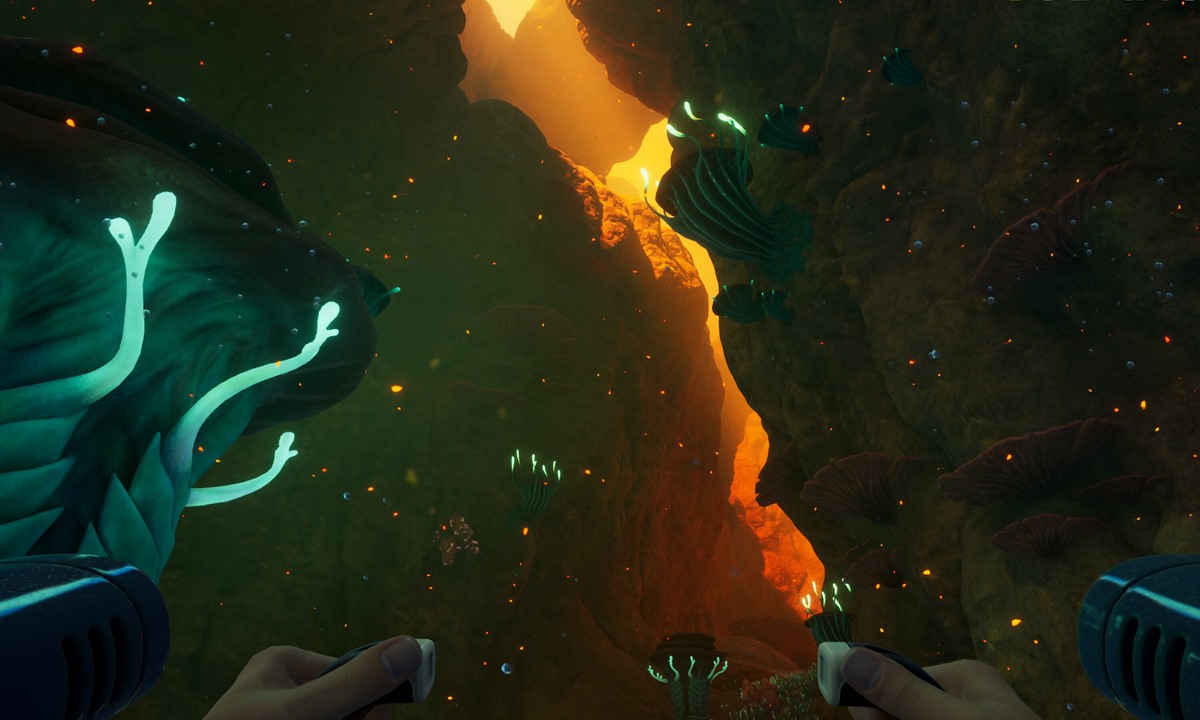
If you still need one calmer loop
Best safe biomes for early exploration
When bravery is not the answer, choose one safer path you can repeat without stress.
If the way home is the blocker
How to use landmarks for navigation
If reaching the route is manageable but returning is guesswork, rebuild the return line.

If the route already feels too long
Should you keep exploring or go back?
When direction is solved, learn when the profitable loop should end.