You are not blocked by leaving base anymore. You are blocked by not knowing when a route already has paid enough.
Route decision guide
Should you keep exploring or go back to base in Subnautica 2?
Many bad runs are not caused by going out too early. They are caused by staying out too long after the useful part of the trip is already over. Use this page to choose whether the run should keep going or end cleanly now.
Last reviewed August 17, 2026
Patch sensitivity Medium
Recheck this page if oxygen pacing, safe biome threat levels, or route landmarks change in a patch.
One original target, one visible stop rule, and one habit of treating uncertainty itself as the signal to bank the run.
Reviewed August 17, 2026
Built for turn-back calls
High-urgency decision page
Stop-rule focused
You are already making useful runs, but still keep losing value because you stay out after the trip has already succeeded.
Your real issue still is leaving base at all. In that case, survival margin and route planning matter more than turn-back discipline.
Open deeper-run prep if your stop rule is improving, or go into oxygen support if thin margin is what keeps making every return call feel late.
Quick answer
Go home as soon as the trip has already succeeded. If you got the target, your return landmarks are getting weaker, your oxygen margin is shrinking, or your inventory is nearly full, the best play is usually to bank the run now instead of overreaching for one more small find.
How this page avoids greedy advice
- It treats "successful enough" as the win state: most bad runs fail after the target is already secured, not before the route begins.
- It assumes uncertainty itself is a warning: if landmarks, oxygen comfort, or return clarity are starting to blur, the run usually has reached its safe end.
- Use one follow-up page only: move into deep-run prep or oxygen support depending on what still makes your return calls messy.
Page media
Open these first if the main thing ending useful runs is still one more greedy extension.
This set gives one route-decision reference, one deep-run prep follow-up, and one oxygen support page for the moment the turn-back problem is really being created by thin survival margin.
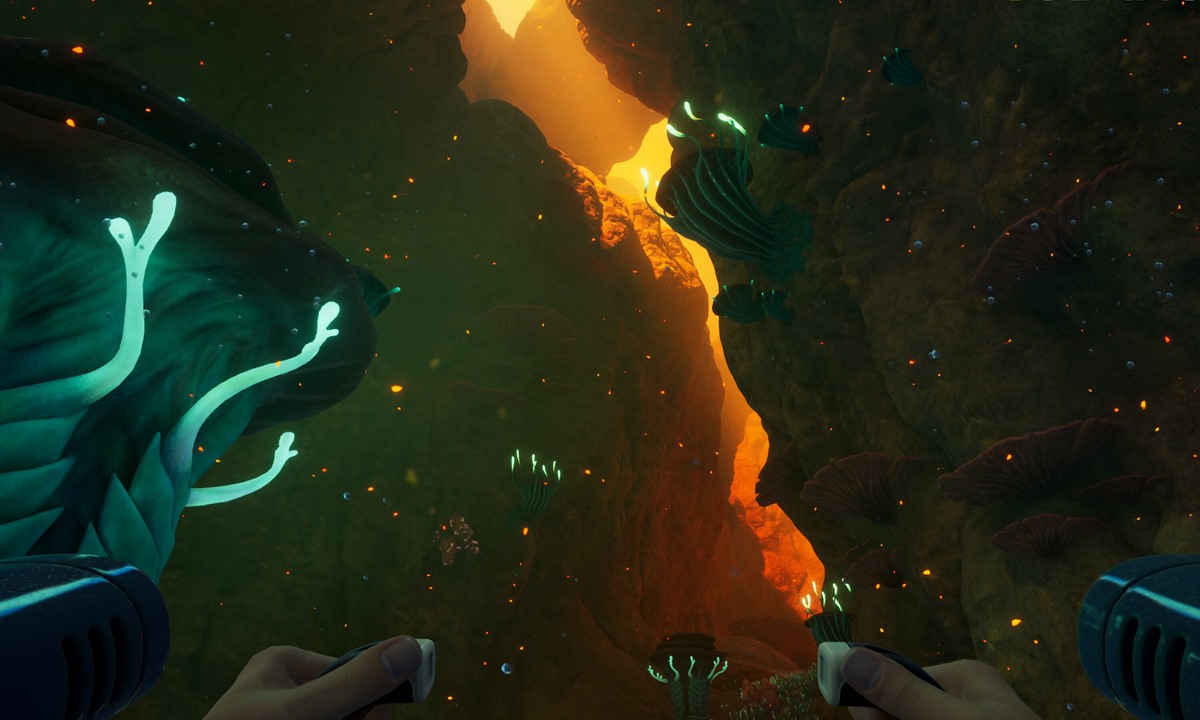
Route shape
Early biome route
Open this when the decision to keep going depends on whether the route is actually repeatable yet.

Prep
What should you check before your first deep run?
Open this next when your stop rule is better already and the real question becomes whether the bigger trip is ready before you leave.
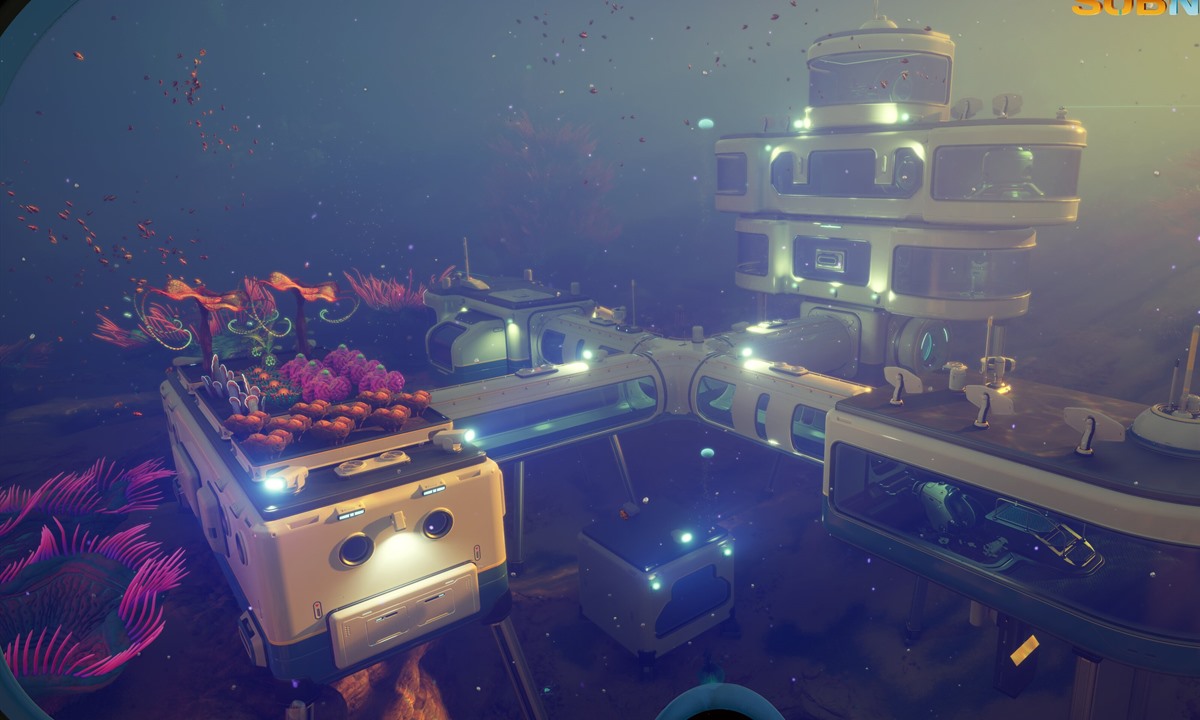
Margin
How to get more oxygen early
If the stop-rule problem comes from weak return margin, fix the route budget before judging discipline.
Fast decision card
| If the run has | Best move | Reason |
|---|---|---|
| The target material, scan, or route note already secured. | Go home now. | The run has already won; banking it turns progress into something repeatable. |
| Clear landmarks, open inventory, and calm survival bars. | Extend one small branch. | One controlled branch gives value without breaking the return plan. |
| Weak return memory, shrinking oxygen, or a valuable inventory. | Turn back immediately. | One extra pickup is not worth losing a successful route. |
Keep going or turn back table
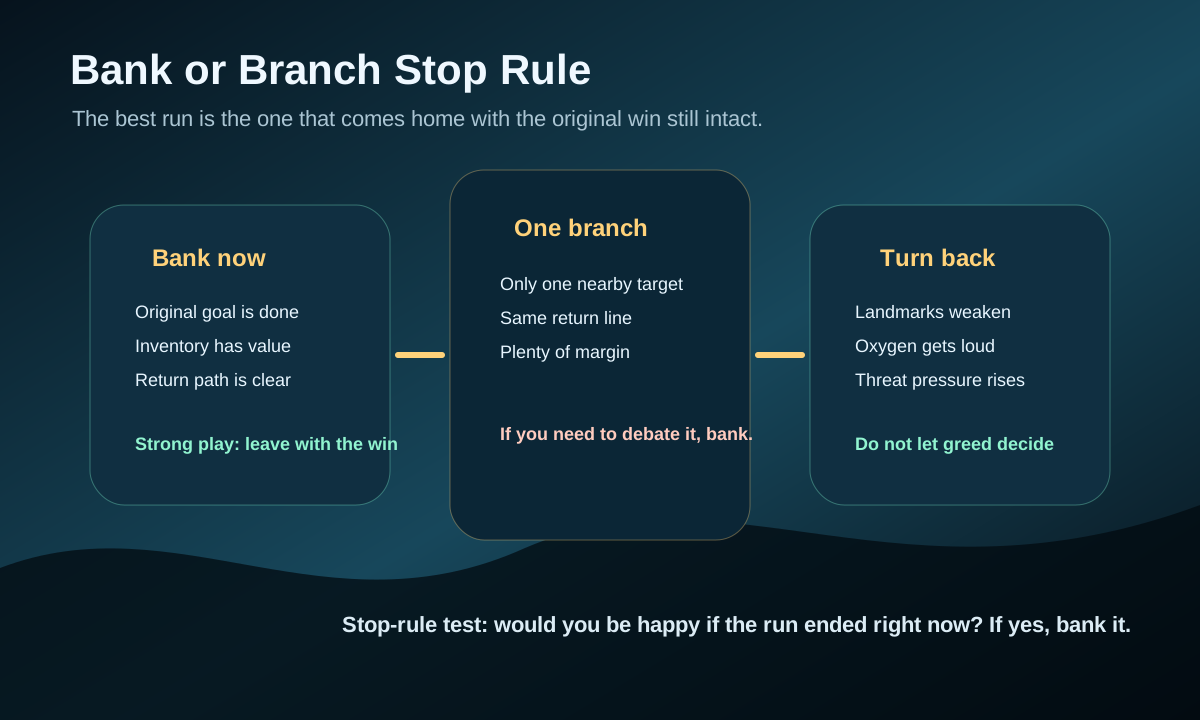
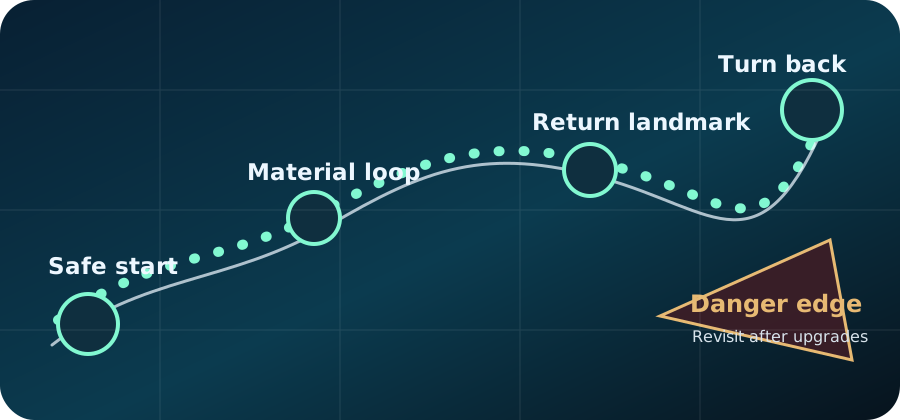
The goal is not to maximize one trip. The goal is to turn one useful trip into repeatable progress without losing materials, time, or confidence.
| Current situation | Best choice | Why it works | Common mistake |
|---|---|---|---|
| You already found the material, fragment, or route proof you came for | Go home now | Banking one useful win is better than risking a messy loss for bonus loot. | Adding one more side target because the area still feels manageable. |
| You still have full oxygen and one clear nearby objective | Keep exploring briefly | A short extension is fine when the target and return route remain obvious. | Turning a short extension into a full second objective. |
| The return landmark chain is no longer obvious | Go home now | Navigation confusion is a route problem, not something to solve deeper into the run. | Staying out until memory replaces visible route cues. |
| Your inventory is nearly full with useful items | Go home now | The trip already succeeded; banking it protects progress and clarifies the next route. | Risking the whole run for one more pickup. |
Real gameplay checkpoints
These are the three stop-rule situations that usually decide whether a run becomes progress or regret.
One route is ready for a clean bank, one can support a tiny extension, and one already is warning you that the useful part of the trip is over.
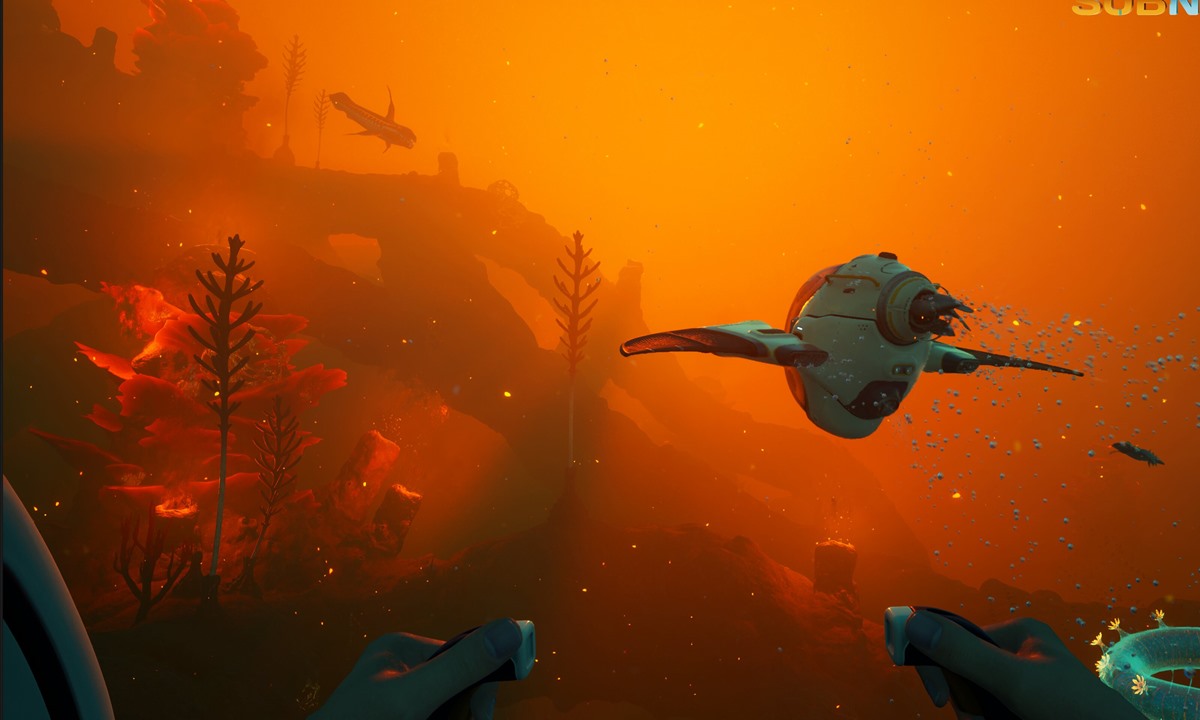
The trip already paid off. Banking it now is the strong play, not the cautious one.
If the original target is secured and the route still is clean, going home now is what turns this success into a repeatable future run.
Open what-to-do-next guide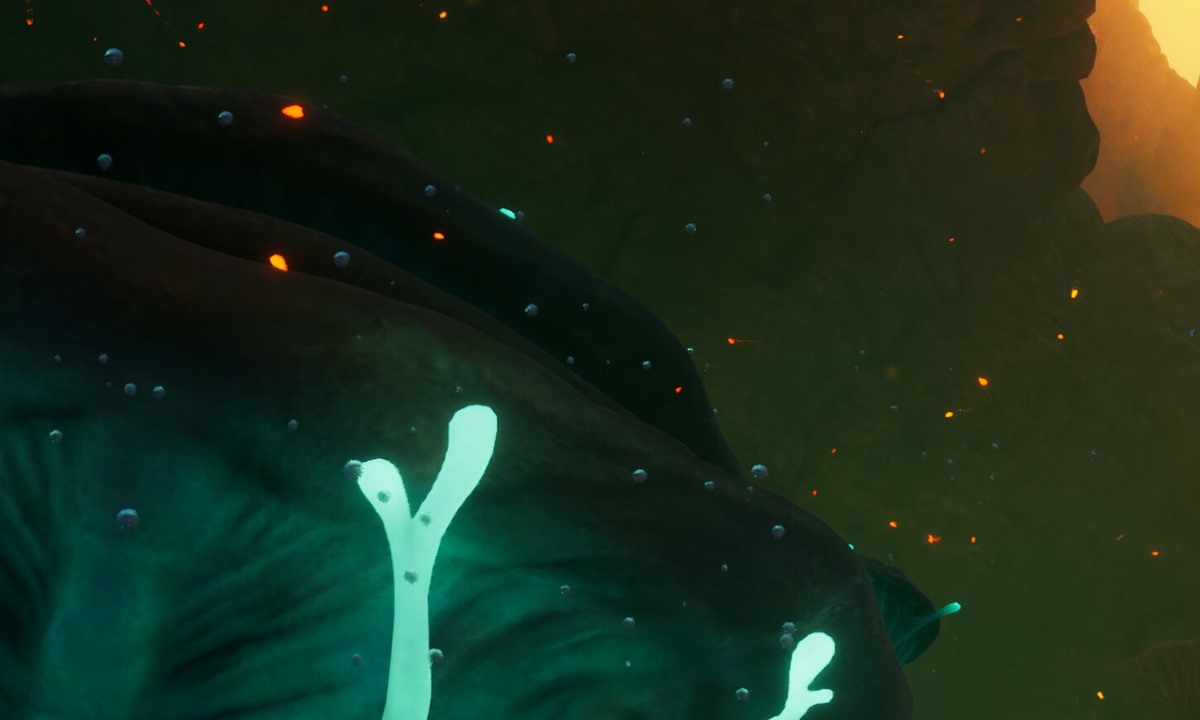
This is the only good time to extend: one nearby branch, one clear path home, one calm reason.
Keep it small when the route still has obvious landmarks and the extension finishes the original purpose instead of inventing a second one.
Open landmarks navigation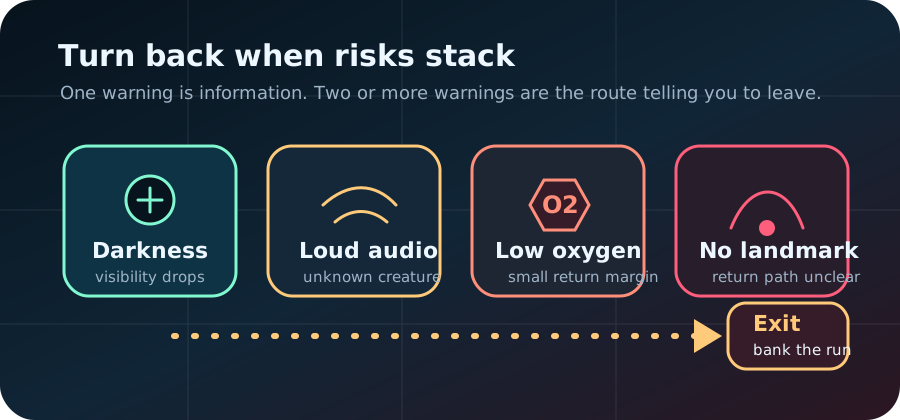
The useful part of the run is over, but the player has not admitted it yet.
Turn back immediately when oxygen, landmarks, or greed start making the decision for you instead of the original target.
Open early oxygen guideIf you keep going
| If you keep going | Only do this | Do not do this |
|---|---|---|
| You still have margin and one nearby target | Take one short branch, secure it, then turn back on the same route. | Turn the branch into a new scouting run with no clear stop rule. |
| You still want one more useful pickup | Take only the pickup that finishes the original purpose of the trip. | Start comparing several side options while already carrying good loot. |
| You are unsure whether the extension is worth it | Treat that uncertainty as the stop signal and bank the run. | Assume the route will become clearer after you go deeper. |
Solo and co-op difference
| Mode | Best return rule | Main mistake | Best follow-up |
|---|---|---|---|
| Solo | Turn back the moment one useful goal is complete. | Extending the run because the route still feels survivable. | First deep run checklist |
| Co-op | Return when one player has the target and the team can regroup cleanly. | Splitting farther apart even after one player already solved the run. | Solo vs co-op route |
Bank-point check after the first success
Most overstay mistakes happen after the run already became profitable. Once the first real objective lands, pause and ask whether the next extra minute is increasing value or only increasing risk.
| After first success | Bank now if | Keep going only if |
|---|---|---|
| You got the named material or scan. | The return path is already getting less obvious. | One nearby pickup finishes the same original goal. |
| You proved the route works once. | The next branch would need a new landmark chain. | The extension stays on the same safe line back home. |
| You are carrying enough value to feel relieved. | You are now protecting the run more than learning from it. | The extra step clearly improves the same trip instead of creating a second one. |
| Your co-op partner already solved the run. | The team is starting to split wider just because survival still looks fine. | Everyone can regroup on the same return cue immediately. |
Good signs your stop rule is working
- Trips end with useful materials or route knowledge already banked.
- You return home before panic begins, not after.
- Each banked run makes the next route easier to name and safer to repeat.
- You lose fewer good runs to greed, confusion, or one more detour.
August 17 stop-rule review note
This page now treats the turn-back decision as a success rule, not a failure rule. The best run often ends because the player already banked the objective and protected the next route.
- Turn back after the named objective lands, before curiosity adds a second risky goal.
- Repeat the route if the return was calm and profitable, then widen only one variable.
- In co-op, let one player call the bank point so the team does not vote itself into overstay.
Next route map
Choose the next page by the reason turning back still is hard.

If the bigger trip itself is the question
What should you check before your first deep run?
If the stop rule is better, decide whether the larger push was ready before it started.
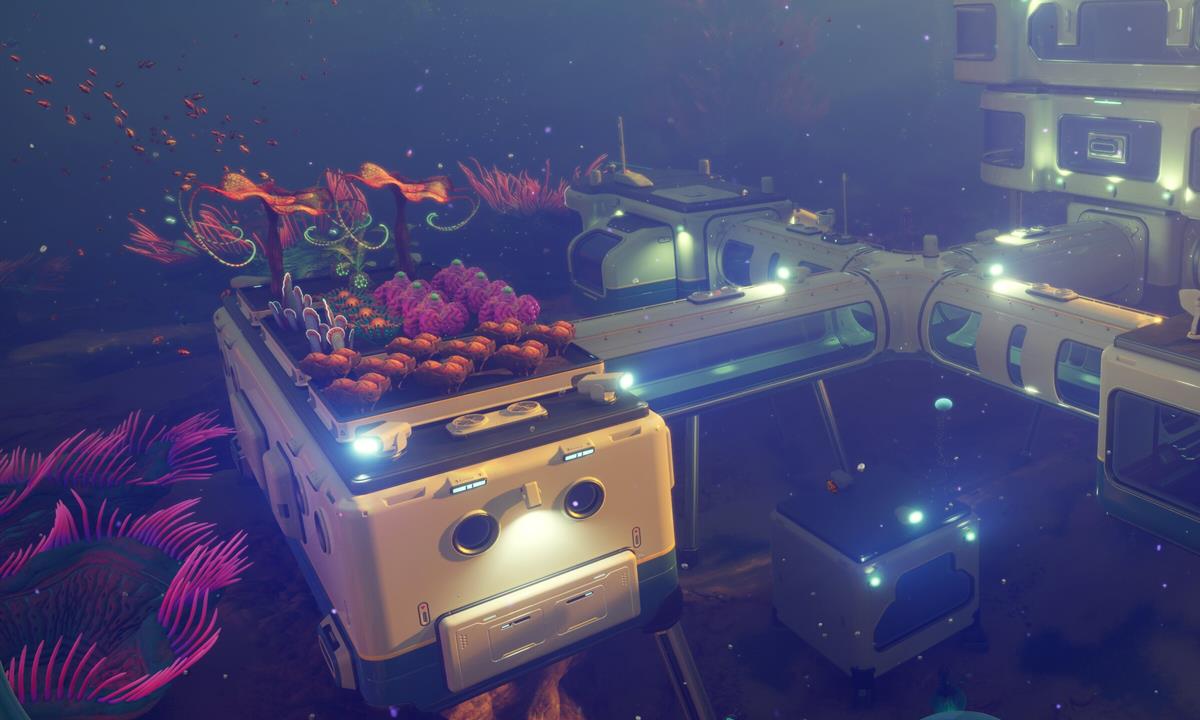
If the route never had enough margin
How to get more oxygen early
When turn-back decisions feel panicked, rebuild the weak survival budget behind the route.
If depth timing is the real blocker
When should you leave safe biomes and go deeper?
Once you are banking routes better, decide when the next deeper lane is actually worth opening.