Subnautica 2 beginner mistakes to avoid in the first few sessions
Most early mistakes are not dramatic. They are small habits that
make every swim a little messier: leaving without a target, ignoring
the return path, building too early, or collecting materials before
knowing which craft they support.
Published July 29, 2026Beginner lanePatch sensitivity: Medium
Last reviewed August 24, 2026Patch sensitivity Medium
This guide is rechecked when opening-session balance, route danger, or base timing changes make old beginner habits misleading.
Quick answer
The biggest beginner mistake is trying to solve every problem
in one trip. Early sessions work better when each run has one
job, one return landmark, one stop rule, and one follow-up
craft or page to open after you get home.
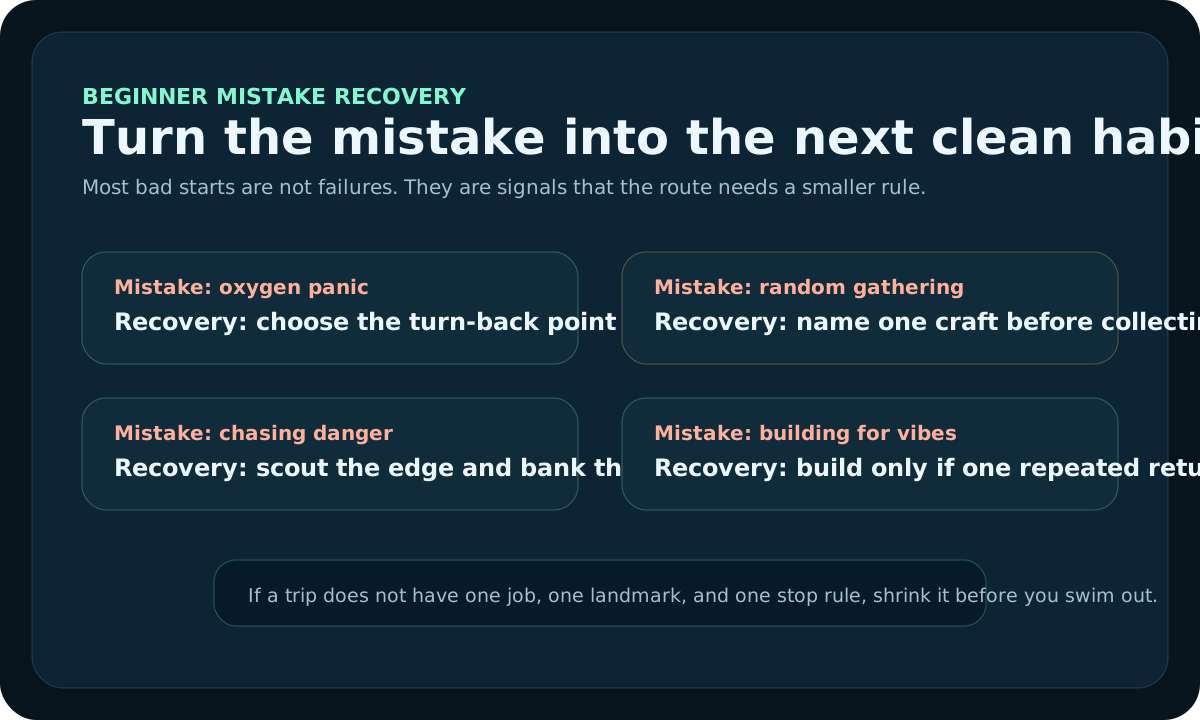
Beginner mistake recovery map
Match the mistake to the smaller habit that fixes it. This
keeps the page practical for players who know something went
wrong but do not yet know which guide to open next.
Most early mistakes become useful once they point to one smaller rule for the next trip.
The mistake pattern that makes a save feel worse than it is
A new save often feels chaotic because the player is doing real
work without a readable loop. You gather a little food, grab a
few materials, chase a scan, drift toward a louder area, then
return with useful items but no clear next step. That is not a
skill problem. It is a route design problem.
Treat the first sessions like short errands. The win is not a
huge inventory. The win is being able to say, "that trip solved
water," "that trip paid for the next tool," or "that trip proved
this route is too risky for now." Once every run has a job,
early progression starts feeling calmer.
Common beginner mistakes and better fixes
Mistake
Why it hurts
Better habit
Next page
Leaving base with no named target
You come home busy but not progressed.
Name one material, scan, or survival fix before swimming.
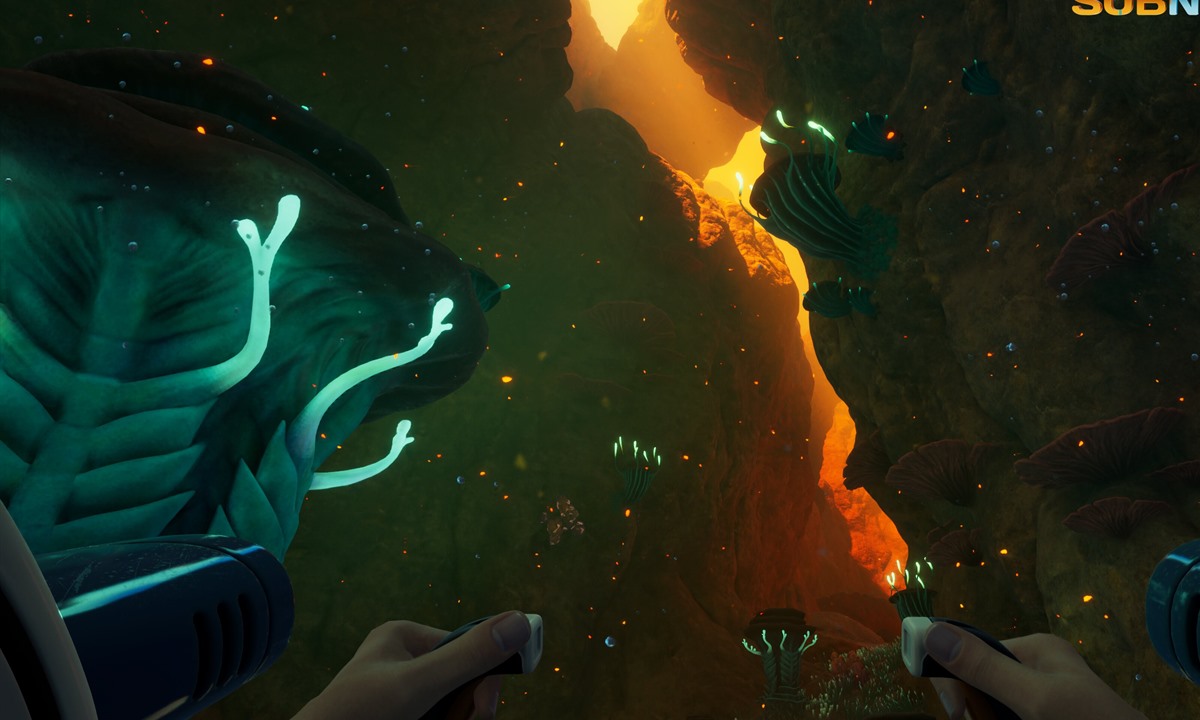
Use the screenshot cue that matches your current problem.
The water looks open, but the route is not learned yet.
Do not widen the route until the return path is boring enough to repeat without guessing.
The materials only matter if they point to a craft.
Collecting everything nearby is weaker than collecting the batch that solves tonight's blocker.
A scary area can still be useful if you treat it as scouting.
Bank the landmark and leave. The deeper commitment can wait for a better oxygen and return plan.
A better first-session operating rule
Before leaving, say the trip goal in one sentence.
Pick the landmark that tells you where the return begins.
Ignore side rewards unless they directly support the goal.
Return while the trip still feels controlled, not after panic begins.
At home, craft, store, or write the next target immediately.
This rule is simple, but it changes the feel of the early game.
You stop judging progress by how long you stayed out and start
judging it by whether the save became easier to run after you
returned.
When a mistake is actually useful
A failed run is not wasted if it tells you what to change. If
oxygen failed, shorten the next route. If storage failed, return
with less clutter. If a creature forced retreat, note the cue
that arrived before the danger. If co-op felt slower than solo,
give each player one job before the next launch.
The mistake becomes low value only when you repeat it without
changing the plan. Make one adjustment, repeat a safer version,
and move forward only after the earlier version feels stable.
Three player-style fixes that are better than "just be careful"
Most beginner advice says to be careful, but that is hard to
act on mid-route. Use a concrete replacement habit instead.
Each one turns a vague mistake into a small repeatable rule.
Bad habit
Replacement rule
What changes in the next run
"I'll grab anything useful while I am out."
Leave with one item class in mind and ignore side loot unless it sits directly on the route.
The inventory comes home ready for a craft instead of becoming another sorting problem.
"I can push a little deeper before turning back."
Pick a visible landmark as the turn-back point before oxygen becomes stressful.
You practice controlled exits, which makes later depth pushes much safer.
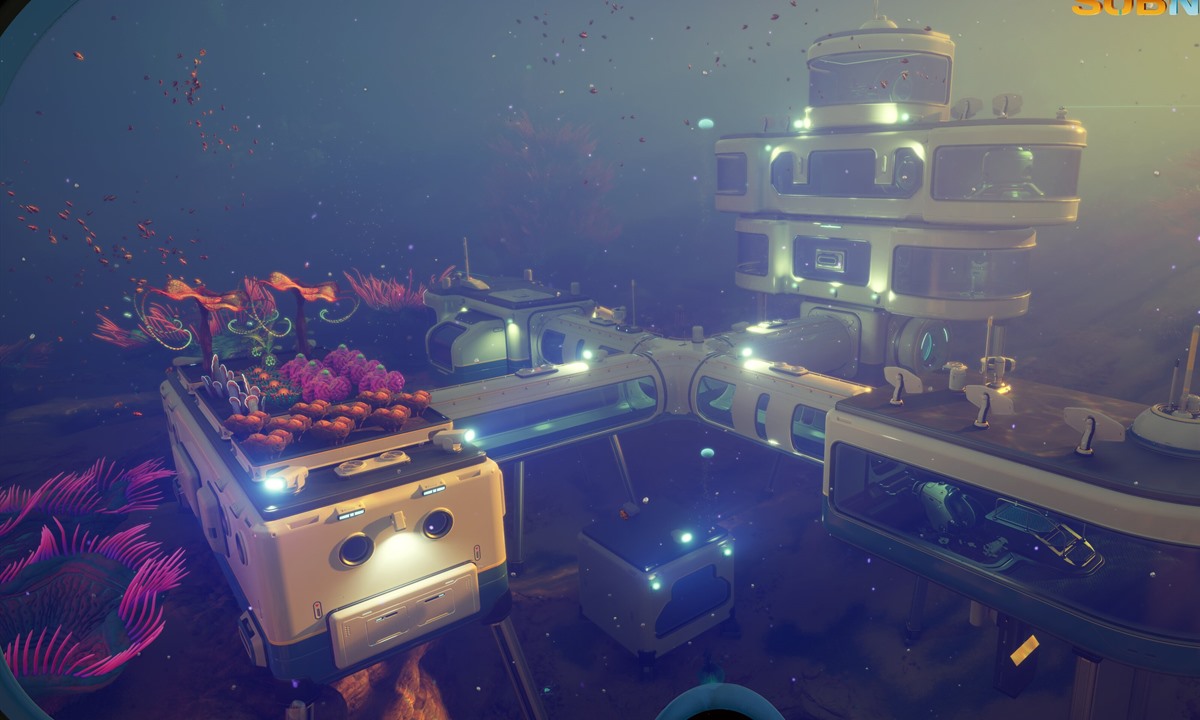
"The base will make progress feel real."
Build only after you can name the repeated return that the base will shorten.
The first base becomes a tool instead of a second unfinished project.
How to recover the next ten minutes after each mistake
The fastest recovery is not always to repeat the run. If the
mistake was route confusion, spend the next ten minutes
repeating only the safe edge and naming landmarks. If the
mistake was material clutter, sort storage and choose one craft
before gathering again. If the mistake was early danger, turn
the next trip into a scout pass instead of a collection pass.
What went wrong
Next ten minutes
Do not do this
You got home with random materials.
Pick the craft those materials can finish, then gather only the missing batch.
Leave again with the same mixed inventory.
You nearly drowned on a route that looked easy.
Repeat only the first half of the route and mark the turn-back point.
Use the same path as proof that you can survive it if you swim faster.
You built a base but still feel stuck.
Give the base one job: storage, craft flow, route hub, or scanner support.
Add another room before the first one removes a real problem.
Co-op players returned with different priorities.
Choose one shared session goal and assign one player to protect it.
Split again without deciding what success looks like.
First 30-minute correction plan after a messy start
If the opening save already feels noisy, do not restart by
default. Spend one short session making the next loop readable.
The goal is to turn one vague problem into one visible fix
before you add more exploration, rooms, or co-op splitting.
Time box
Do this
Proof it worked
0-5 minutes
Empty pockets, name one craft or survival blocker, and ignore every other project.
You can say exactly why the next swim is happening.
5-15 minutes
Run only the safest known edge of the route and turn back before pressure stacks.
You return with the target batch or a clear reason the route is not ready.
15-25 minutes
Spend or store the result immediately instead of mixing it into general clutter.
The next craft, locker, or route decision is easier than before the trip.
25-30 minutes
Write the next blocker in one sentence: oxygen, water, material, base flow, or danger.
The next guide choice is obvious instead of everything feeling equally urgent.
Three real early-session messes and the fastest fix
A lot of beginner frustration sounds unique, but the recovery
pattern is usually recognizable. Match the messy save to the
smallest reset that makes the next trip readable again.
If your session looked like this
What probably went wrong
Do this on the next launch
You came home with food, Quartz, and scans, but the tool blocker still exists.
The trip never had one named material or craft goal.
Empty inventory, pick one blocker, and run only the shortest route that pays it down.
You survived a deeper swim once, then failed trying to repeat it.
You treated a lucky run as proof the route was stable.
Replay only the safe half, mark the turn-back landmark, and widen the route only after two calm returns.
You built more rooms, but every return still feels slow and cluttered.
The base grew before it had a job.
Assign one room to one function, then stop building until the next two returns feel faster.
How to tell if the early game is improving
Early progress should be visible in the next run, not only in
the inventory. A better opening save has calmer returns, fewer
half-finished crafts, more obvious storage, and a shorter gap
between "I need something" and "I know where to get it." If the
save still feels noisy after several trips, the fix is usually
not more exploration. It is a smaller loop with a clearer
result.
A good sign is that the next page becomes obvious. Oxygen
trouble points to the oxygen guide. Material confusion points to
material priority. Route fear points to safe biomes or dangerous
zones. If every possible guide still looks equally relevant,
return to the first-hour route and rebuild the foundation.
A mistake is fixed only when the next run changes
Reviewed August 24, 2026: this page was refreshed to make the
recovery advice less generic. The useful test is not whether a
player understands the mistake after reading it. The useful
test is whether the very next run becomes shorter, safer, or
easier to bank.
Mistake you noticed
Next run should change by
Proof it is fixed
Random gathering
Leaving with one target and enough empty slots.
The returned batch finishes or clearly advances one craft.
Late turn-back
Choosing a landmark before oxygen gets stressful.
You arrive home with calm margin instead of a rescue swim.
Base distraction
Building only after naming the repeated route it shortens.
The next two returns are faster, not just prettier.