You are alive, but the opening still feels chaotic, thin, or directionless.
Beginner guide
What to do in your first hour in Subnautica 2
The first hour should be about stability, not speed. Secure oxygen, food, water, and your first useful tools before you push into risky areas or chase expensive unlocks.
Last reviewed August 17, 2026
Patch sensitivity Medium
This guide depends on early survival balance, route safety, and starter progression pacing. Recheck it after major opening-hour updates.
Oxygen return, one useful material loop, and the next craft goal.
Reviewed August 17, 2026
Built for first-session use
Source context checked
Route pacing checked
You need a calm first-hour order, not a full game plan.
You already have a working base loop and the real blocker is depth, vehicles, or co-op pace.
Go into the first-two-hours route once oxygen, food, water, and one useful tool loop already feel stable.
Quick answer
In your first hour, focus on staying alive and setting up a reliable loop: gather easy materials, craft basic survival tools, avoid deep or hostile zones, and unlock the scanner and early base path as soon as you can do it safely.
How this page is kept practical
- Built around repeat failures: this page assumes the early game feels bad because players chase depth too early, not because they need a perfect speed route.
- Checked against current source context: the opening pace is matched to current public Early Access framing and the site's route tests rather than older Subnautica habits alone.
- Safest with one follow-up page: if your opening is stable already, move into the first two hours guide instead of rereading this one.
August 20 structure update
- Fastest answer: stabilize oxygen, supplies, first tools, and a safe return before any deep push.
- Functional visual: use the first-hour priority board and route flow diagrams as the execution path, not decoration.
- Next-step rule: leave this page for First Two Hours, Material Priority, or First Base Location once the opening loop is stable.
- Report issues: send outdated route, balance, or beginner-flow corrections through Reader Reports.
July 31 opening-session audit
This pass adds a simple player test: the first hour is only working if the next save session starts with less guessing. Use the table below after a run, not before it, so the page supports real play instead of abstract advice.
| After the first hour | Good sign | Fix before session two |
|---|---|---|
| You know the next craft | The missing material is named, not vague. | Open the matching material route before exploring wider. |
| You can return calmly | The safe path home works without panic swimming. | Practice the route once more before pushing depth. |
| Your base plan is small | The first build solves storage, crafting, or route return time. | Delay decorative expansion until the loop saves time. |
Page media
Open these first if you want the first hour to feel concrete.
Use these site guides as the next practical steps when the opening route still needs a visible, repeatable shape.
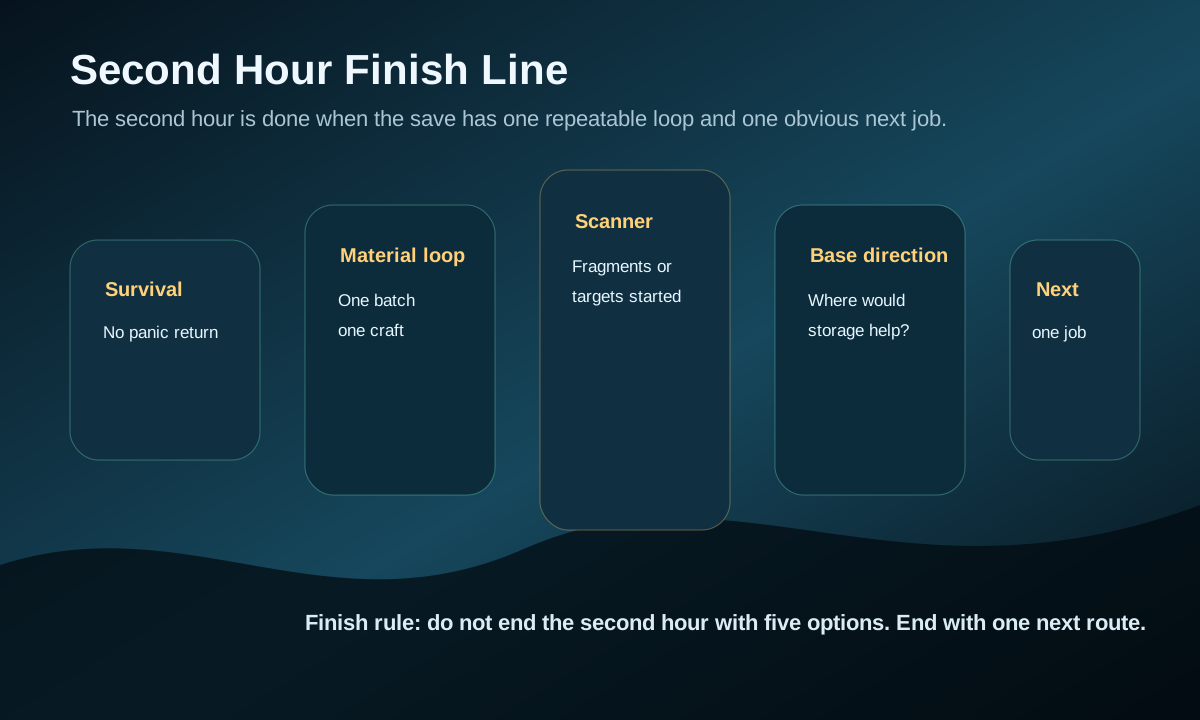
Next route
First two hours plan
Open this when the first hour is stable and you need a calmer sequence for tools, materials, and first-base timing.
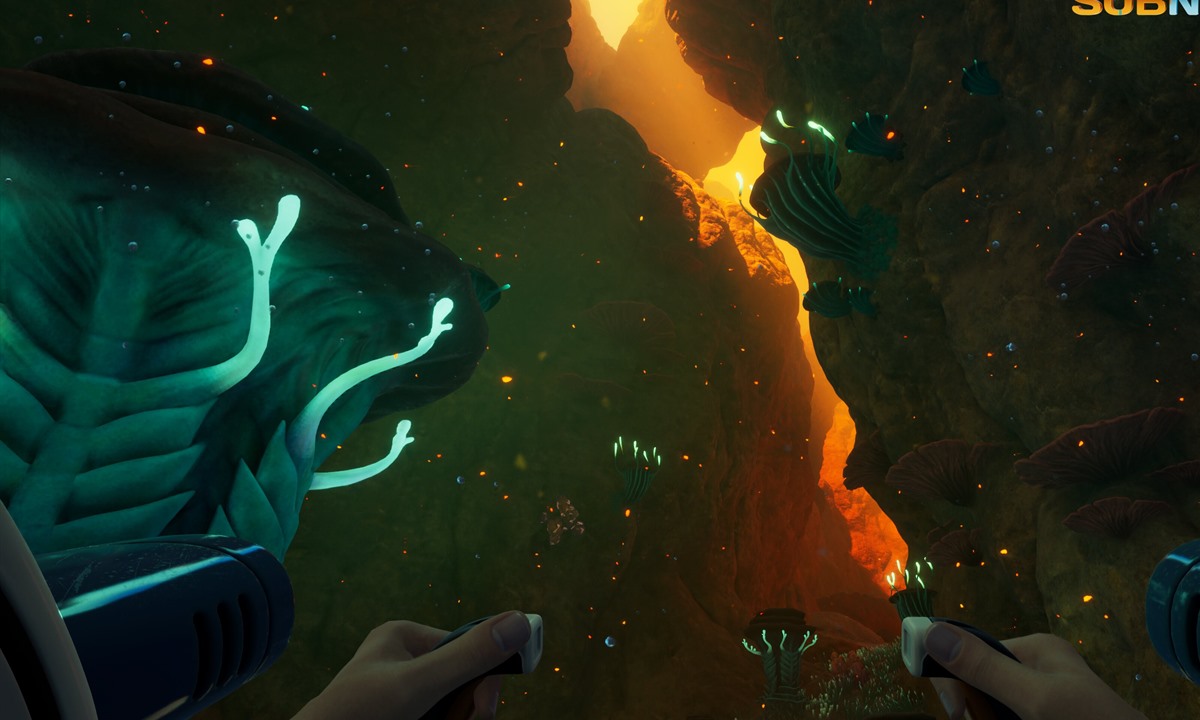
Route support
Early oxygen follow-up
Open this next when your first-hour routes keep failing because return timing still is too tight.
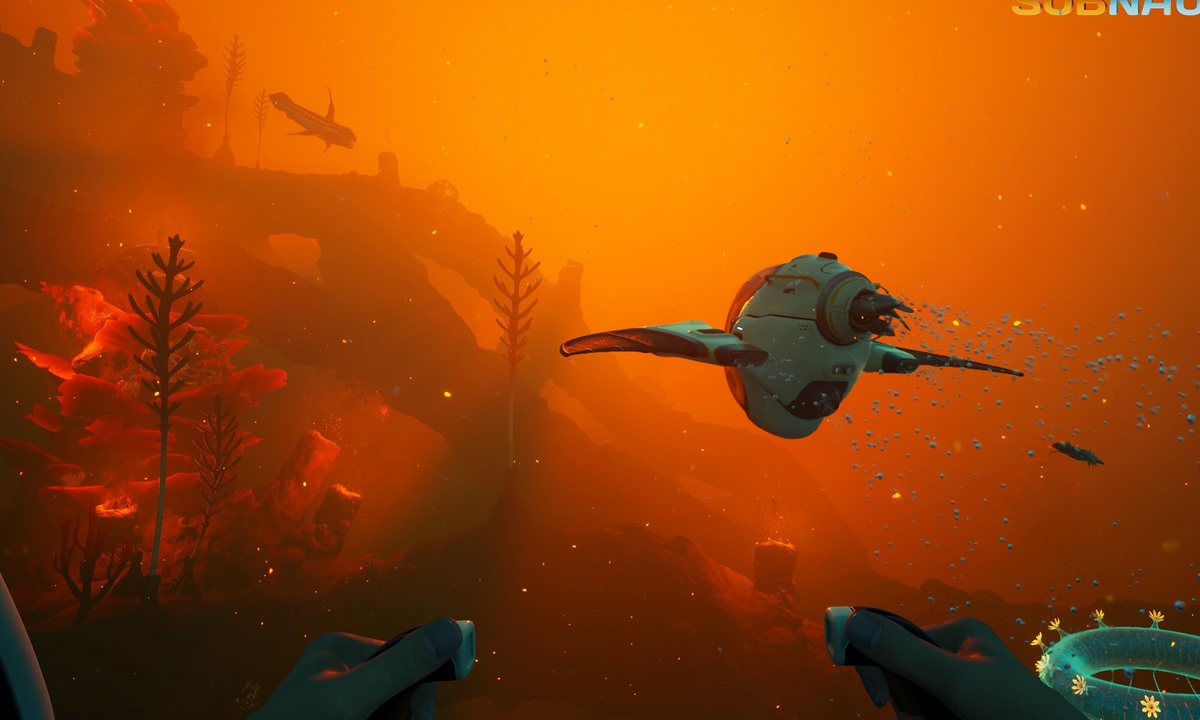
Safe route
Best safe biomes
If crafting is no longer the blocker, choose one calmer route you can actually repeat.
First hour checklist
Check these off before treating the opening session as stable.
First hour quick plan table
Use this table if you want the shortest practical route through the opening session.
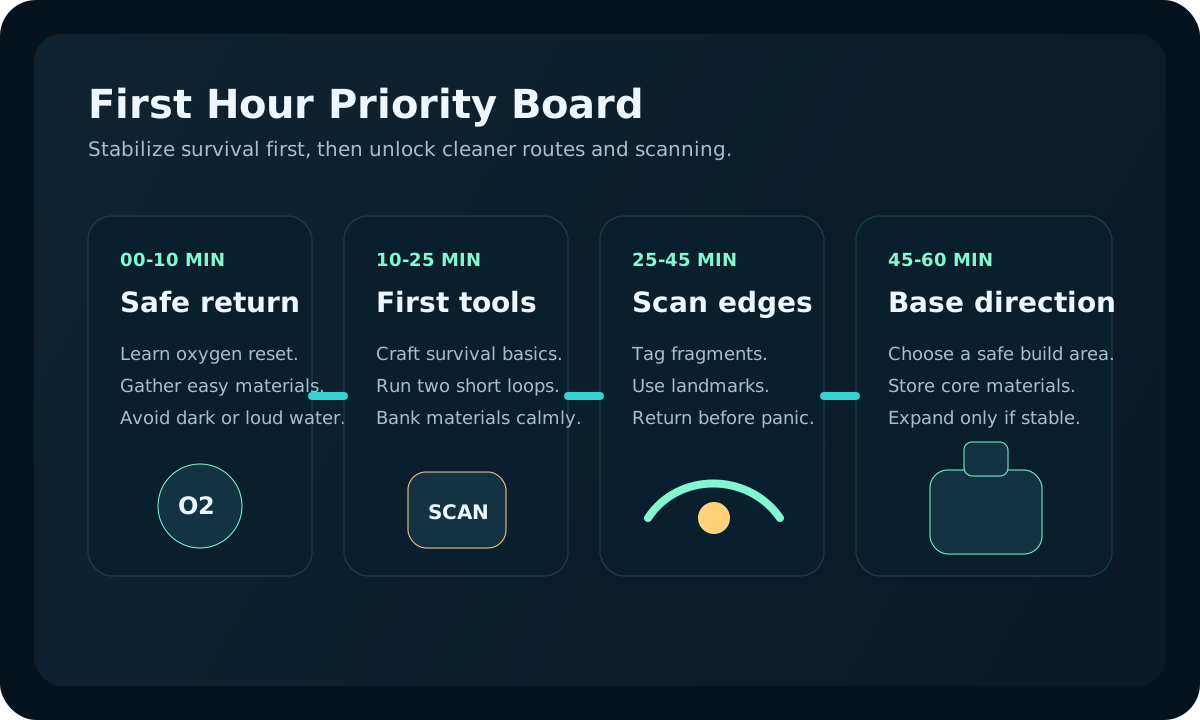
| Time | Main goal | Do this | Do not do this |
|---|---|---|---|
| 0-10 min | Survive close to start | Learn oxygen return and gather easy materials. | Swim into dark, loud, or unfamiliar routes. |
| 10-25 min | Craft first useful tools | Make short loops for scanner and survival progress. | Spend materials without a next route goal. |
| 25-45 min | Scan and map safe edges | Use landmarks and bank each useful fragment. | Chase one more scan past your return margin. |
| 45-60 min | Prepare first base direction | Store materials and choose a safe build area. | Commit to a base location you cannot supply easily. |
August 16 update: recover a messy first hour without restarting.
A lot of beginner saves feel bad without actually being ruined. Before starting over, use this small recovery plan to turn a scattered opening into one useful loop.
| Messy opening symptom | What it usually means | Recovery move | Next page if it still fails |
|---|---|---|---|
| You have random materials but no clear upgrade. | The route worked, but the goal was not named before leaving. | Stop farming, sort storage, and pick one craft that improves the next two trips. | Material priority |
| You keep reaching safety with oxygen warnings active. | The route is just slightly too wide for the current margin. | Repeat the same loop shorter twice before adding any new direction. | Early oxygen guide |
| You found an interesting area but cannot return reliably. | The landmark memory is weaker than the exploration urge. | Backtrack to the last obvious visual anchor and rebuild the route from there. | Landmarks navigation |
| You want to build a base because the inventory is annoying. | Storage pressure is real, but the location may not be ready. | Make one small storage fix first, then test whether the same route still feels useful. | Build now or wait? |
Real gameplay checkpoints
If your run looks like this, this is the first-hour problem you are actually solving.
These scenes help separate three different opening failures: inefficient gathering, route panic, and danger arriving before your survival loop is stable.
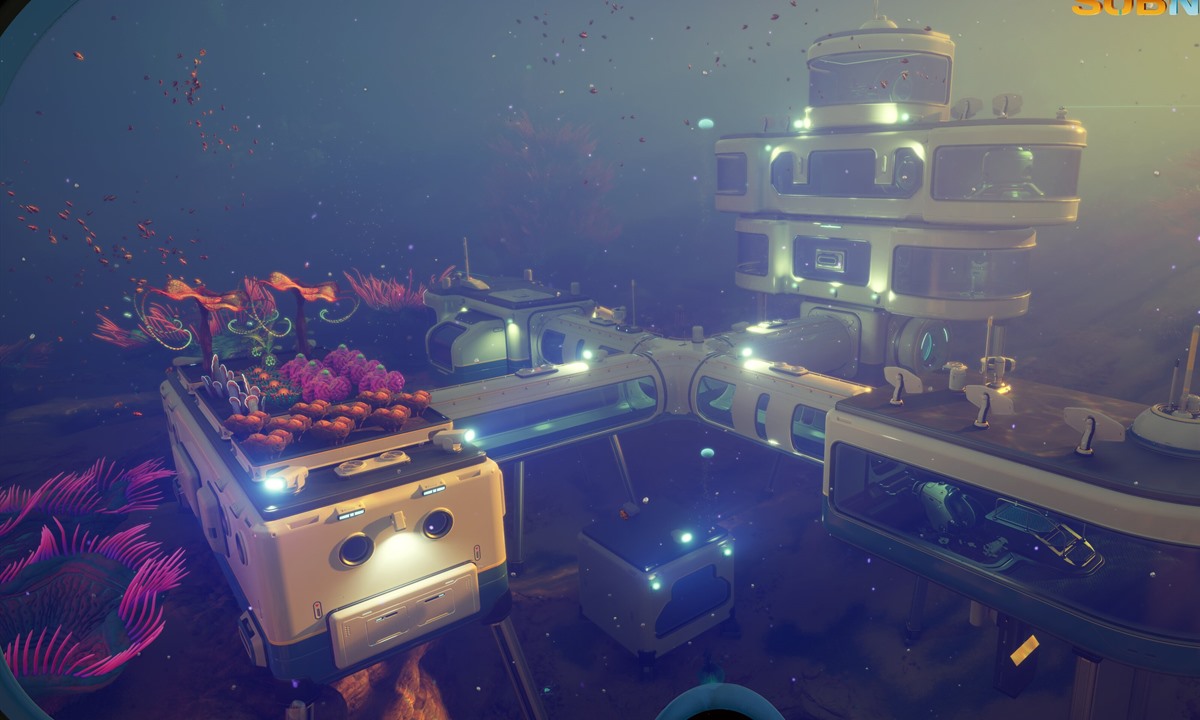
You are gathering, but every useful return still feels inefficient.
Open first-tools and first-hour priorities when the opening is producing loot, but not momentum.
Open first tools guide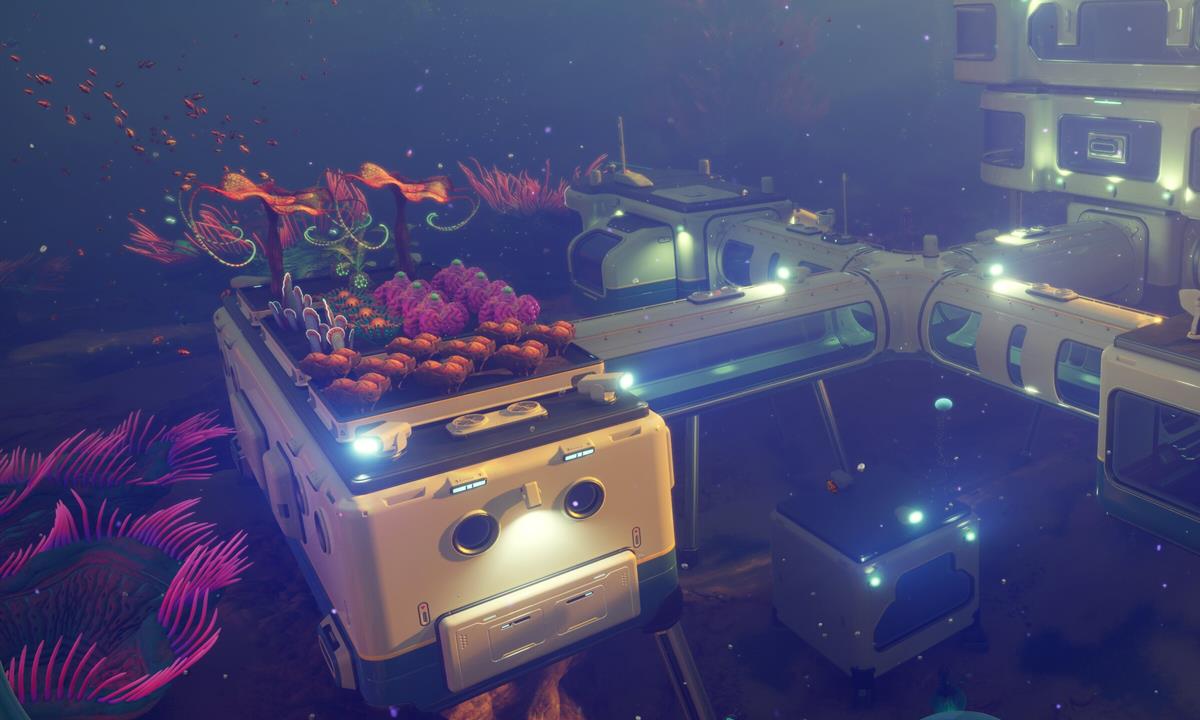
The world is opening up before your oxygen return feels boring.
Fix route discipline first when a bigger map is arriving faster than your confidence on the way home.
Open early oxygen guide
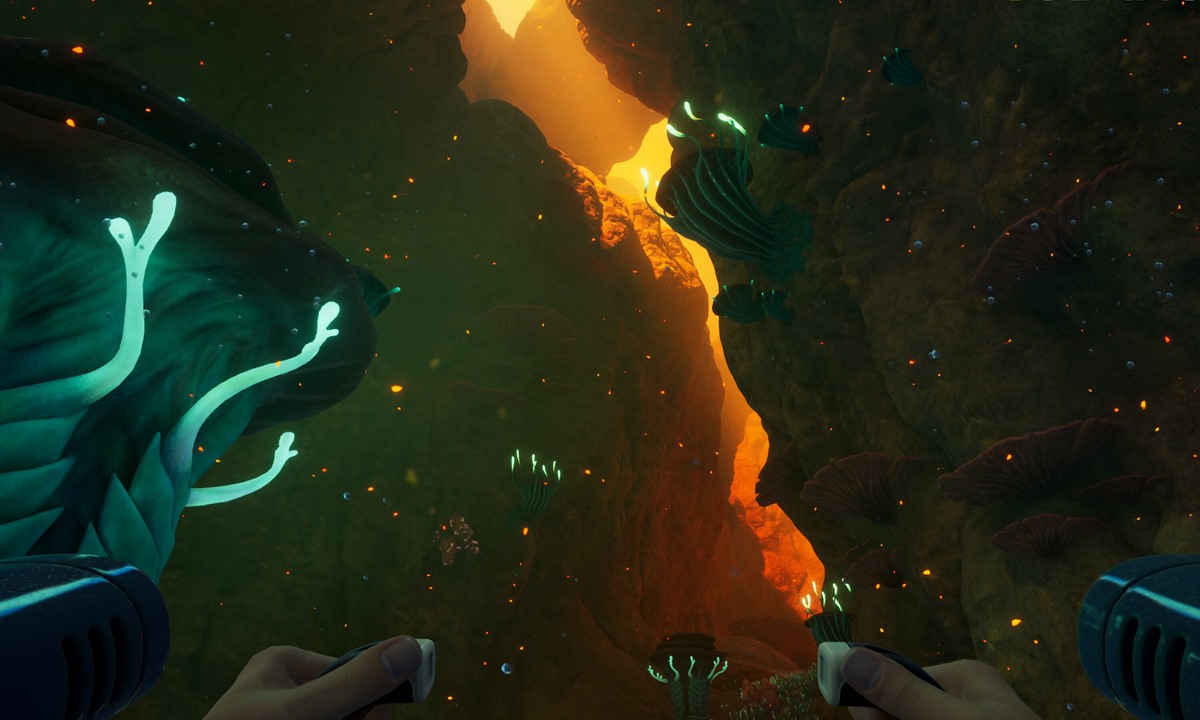
Danger is arriving before food, water, and retreat timing are solved.
Back into safer opening pages when fear and depth are escalating faster than the survival routine is improving.
Open what-to-do-next guideFirst hour route
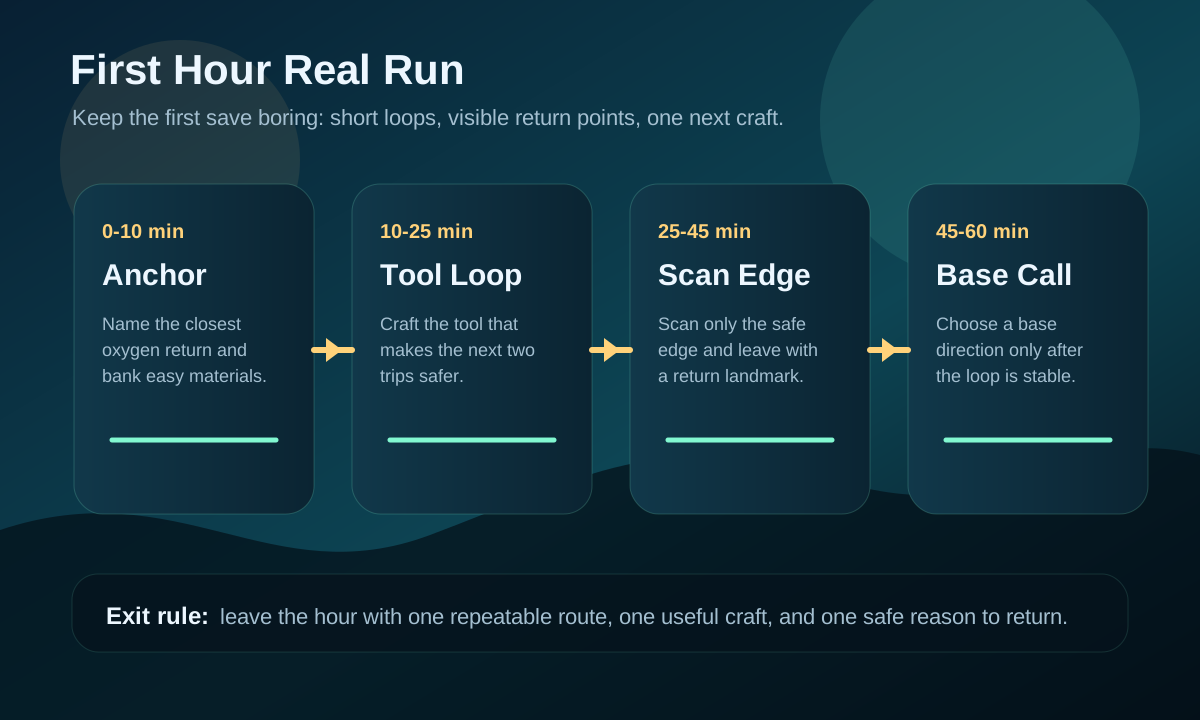
- 0-10 minutes: stay close to the starting area, learn the nearest oxygen return, and gather only easy materials you can bank safely.
- 10-25 minutes: craft the first survival tools that improve repeat trips, then make two short material loops instead of one long risky swim.
- 25-45 minutes: start scanning important fragments and mark the safest edges of nearby biomes so later routes have a known return path.
- 45-60 minutes: choose the first base direction, store core materials, and only push farther if oxygen, food, water, and inventory space are stable.
| Real run moment | Do this | Stop when |
|---|---|---|
| First safe return | Name the closest oxygen landmark and return before inventory is full. | You can reach home twice without guessing. |
| First useful craft | Spend materials only on a tool that makes the next two loops safer or faster. | The next route has a clear reason. |
| First scan edge | Scan the edge of a safe area instead of pushing through the whole biome. | You have one fragment target or one retreat note. |
| First base direction | Pick the side that shortens repeat loops, not the prettiest view. | Food, water, oxygen, and storage are not failing the route. |
When the first hour is already messy
Do not restart just because the opening route was inefficient. Use this recovery pass when you are alive but short on basics, carrying mixed items, or unsure what to do next.
| What went wrong | Recovery move | Stop exploring when |
|---|---|---|
| Inventory is full of one-off finds. | Return, deposit everything, then keep only the materials for one named craft. | You cannot identify the next craft without opening every container. |
| Oxygen runs keep ending in panic. | Repeat the shortest known loop and leave earlier than feels necessary. | Your return trigger is still a guess instead of a visible landmark or safe stop. |
| You built before choosing a purpose. | Use the existing shelter for storage and crafting; delay expansion until it removes a repeat trip. | The new room would be decorative or needs a risky detour to power it. |
First session checklist
- End the session with a repeatable safe material loop, not just a full inventory.
- Know which landmark gets you home from each nearby biome edge.
- Have one clear next craft goal before you leave base again.
- Delay deep routes until survival upgrades make the same trip boring.
First priorities
- Collect enough basic materials to avoid repeated panic trips.
- Stabilize oxygen, food, and water before longer exploration.
- Craft the tools that improve scanning and survivability.
- Stay inside low-risk biomes until storage and upgrades improve.
What players usually do wrong
- They swim too far too early and waste time recovering from danger.
- They gather random materials without a build priority.
- They delay scanning, which slows every later unlock.
First-hour decision route for a real save
Use this when the first hour is already moving and you need a practical next action. The goal is to leave the session with one repeatable loop, one useful craft direction, and one known reason to stop exploring.
| Current state | Do next | Evidence it worked | Next page |
|---|---|---|---|
| You have no reliable return path yet. | Repeat the shortest safe swim twice and name the landmark that points home. | The second return feels calmer than the first and does not need emergency oxygen. | Early oxygen |
| You have materials but no useful craft. | Pick one tool, storage piece, or scanner step before gathering anything else. | The next run starts with a named shopping list instead of broad farming. | Material priority |
| You keep finding interesting edges. | Scout one edge, look back, and leave after one useful clue. | You can describe the route and the warning sign without reopening the map. | Landmarks navigation |
| Your inventory is the main friction. | Convert the next material batch into storage or a small functional base plan. | The next return unloads faster and points to one follow-up craft. | First base location |
Stop or continue rules for session one
New players often lose progress because the first hour keeps expanding after the useful answer is already found. Use these rules to end a route cleanly before it turns into random risk.
- Stop after a useful craft: make the item, test one shorter route, then choose the next blocker from the result.
- Stop after a new warning sign: bank the clue and improve oxygen, storage, or landmarks before returning.
- Continue only after a boring return: if the way home is still stressful, the route is not ready to get wider.
- Continue only with one named goal: a scan, material batch, base site test, or survival upgrade is enough; three goals usually creates clutter.
Next route map
Choose the next page by the problem that still is ending the opening session.
If survival still breaks
How to get more oxygen early
If the route itself looks fine but trips still die, your return margin is too thin.
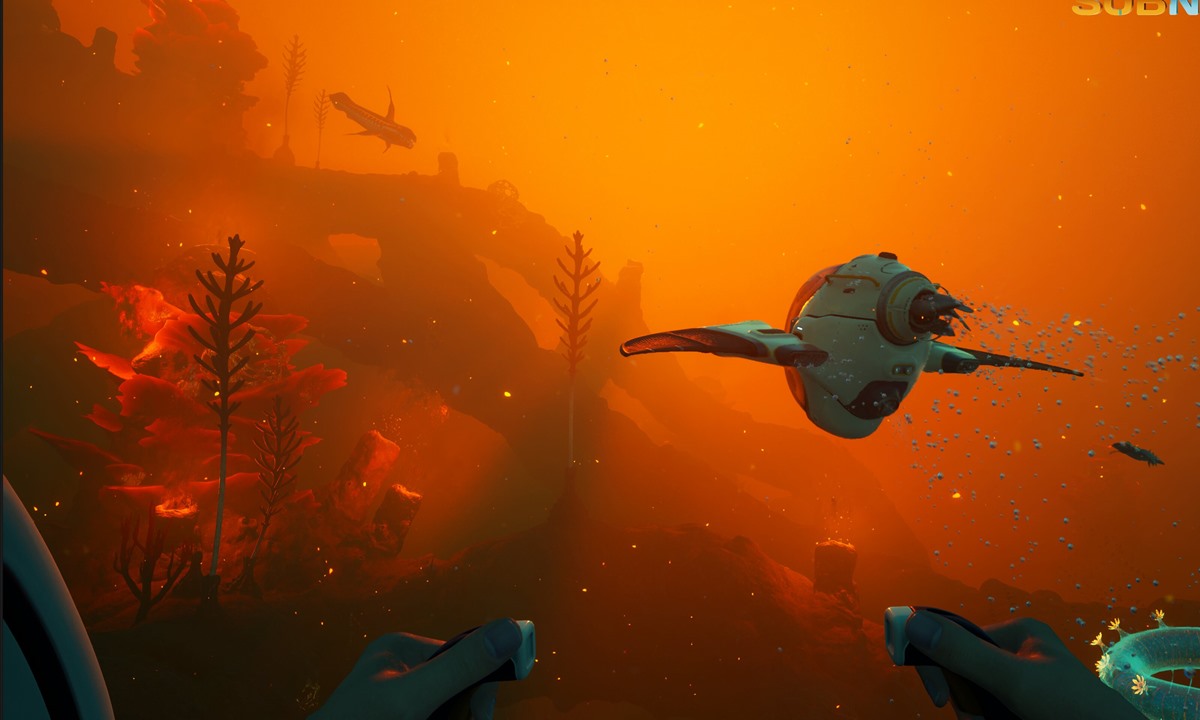
If the next run needs value
Where to find Titanium early
Once survival is calmer, move toward storage, base basics, and cleaner home friction.
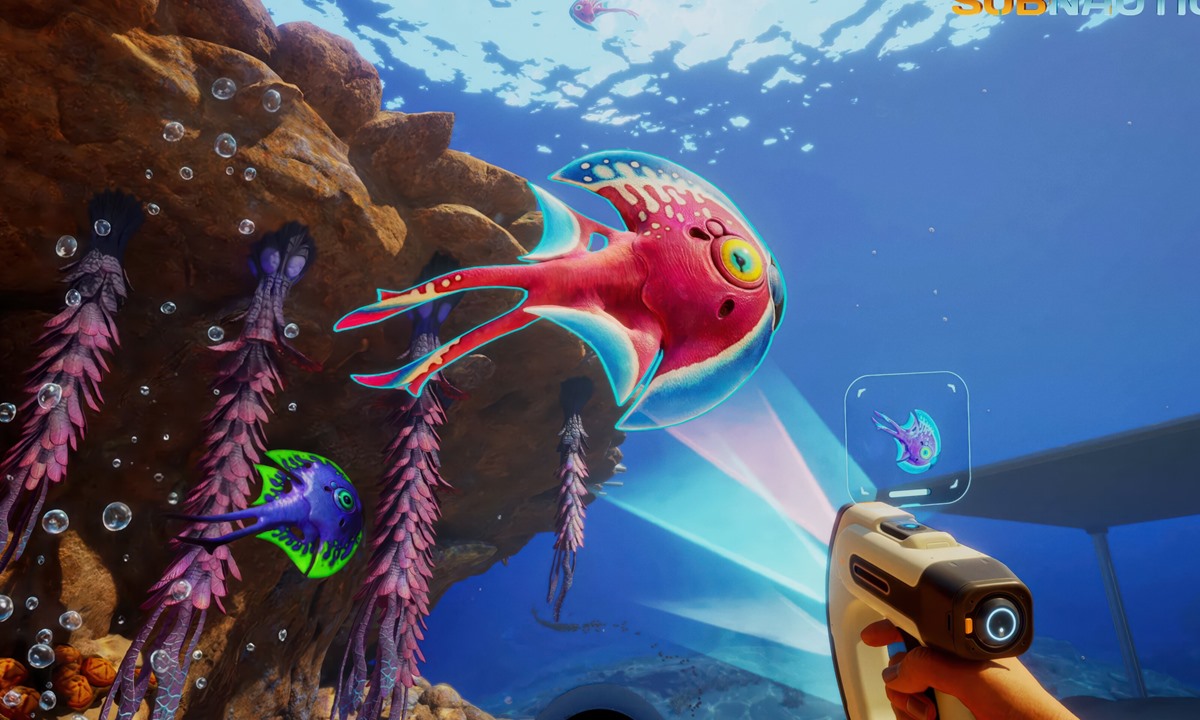
If the map is the blocker
Best safe biomes for early exploration
When the opening is no longer about stats, pick one route you can repeat without panic.