You can reach the target already, but the return swim still feels rushed, lucky, or loud.
Survival guide
How to get more oxygen early in Subnautica 2
Early oxygen starts with route control: turn chaotic swims into short, repeatable trips that still leave enough air to think clearly on the way back.
Last reviewed August 17, 2026
Patch sensitivity Medium
Oxygen advice can shift if early tank balance, depth pacing, or route pressure changes in a patch.
One shorter route, one visible turn-back point, and one upgrade that truly extends a useful loop.
Quick answer
The best early oxygen strategy is to shorten risky trips, prioritize upgrades that extend safe exploration time, and choose routes that keep you close to reliable recovery points instead of pushing depth too soon.
Page media
Open these first if oxygen pressure keeps ending otherwise good runs.
This set keeps the reader inside practical oxygen, route, and survival decisions instead of sending them away from the guide at the moment they need a repeatable plan.
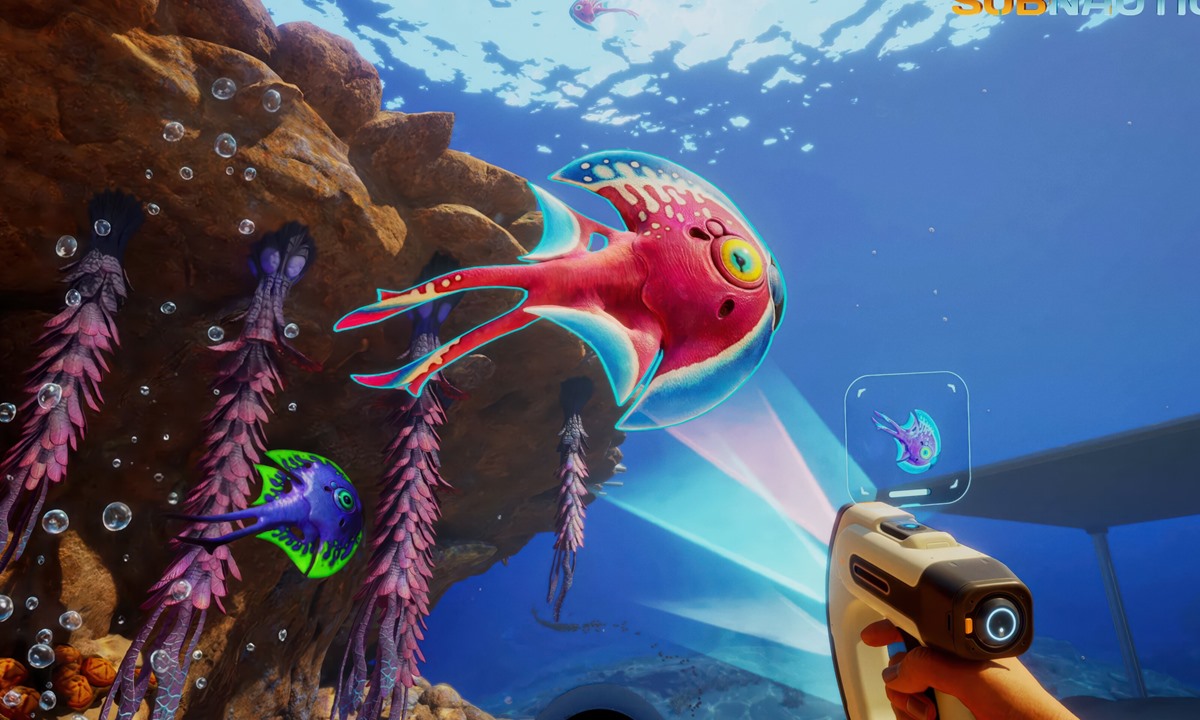
Decision support
Keep exploring or go home?
Open this when oxygen pressure is really a turn-back decision, not a missing-upgrade problem.

Safe route
Best safe biomes for early exploration
Open this next when the real oxygen fix is not a bigger tank yet, but one calmer biome edge you can repeat.
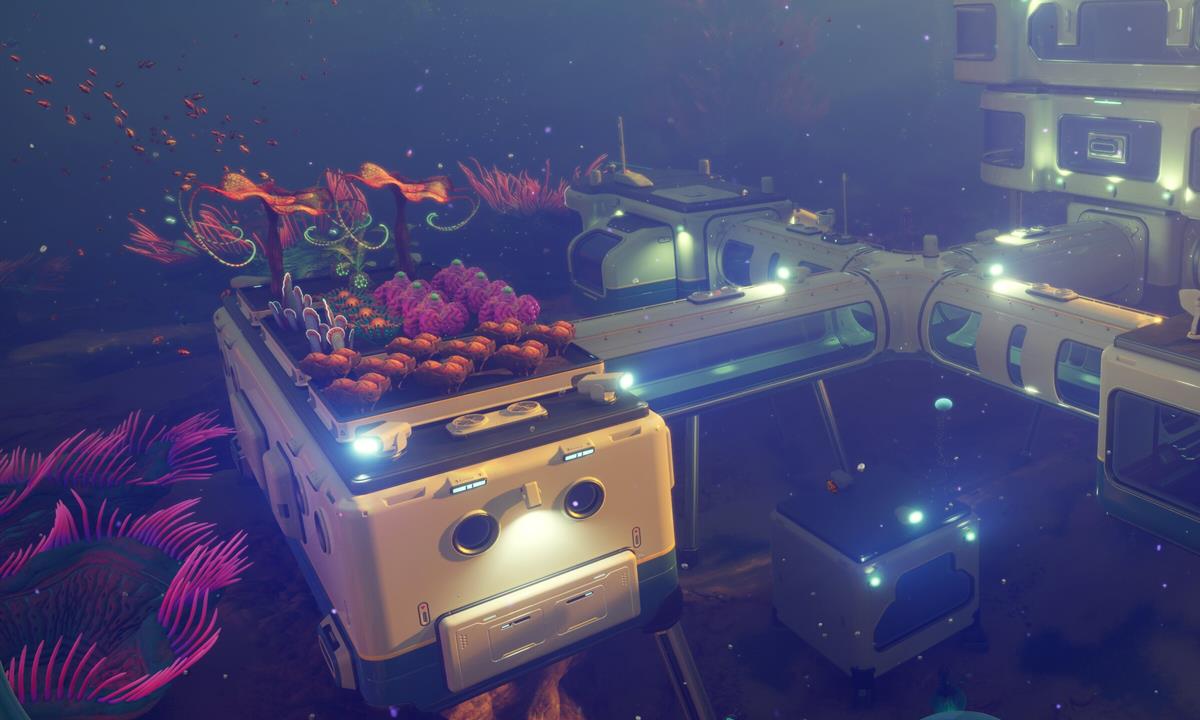
Survival support
How to get clean water fast
If low oxygen and weak supplies are pressuring the same route, fix both before pushing deeper.
Oxygen checklist
Check these before treating a new route as safe enough to repeat.
Oxygen decision table
Use this table before widening a route. Oxygen upgrades are most valuable when they turn a known route into a repeatable one.
| Problem | Best response | Safe signal | Stop if |
|---|---|---|---|
| You reach the target but panic on return | Turn back earlier or upgrade oxygen | You can return with a calm margin. | You only make it back by racing. |
| New route is deeper or darker | Treat it as a separate route | You still recognize the return landmark. | Depth, darkness, and creature audio stack together. |
| Co-op players split up | Keep independent oxygen margins | Each player can return without rescue support. | One player depends on another to survive the route. |
Oxygen margin visual
Think of oxygen as a return budget. The safe choice is not the farthest swim you can survive, but the route you can complete with enough air left to avoid panic decisions.
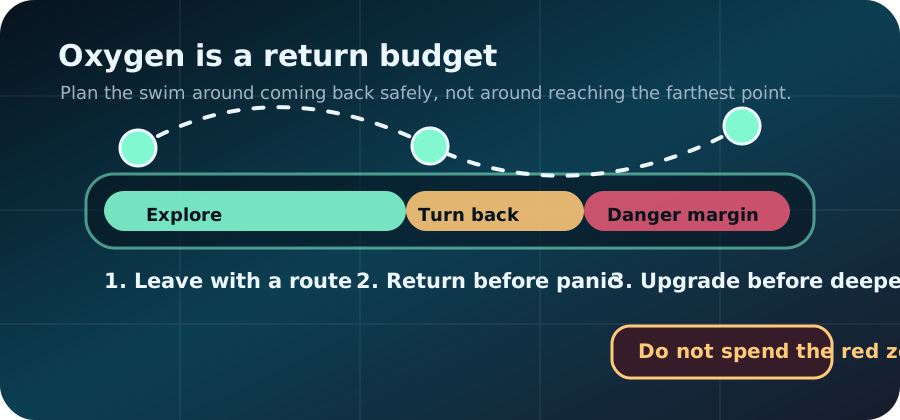
Real gameplay checkpoints
If oxygen still is the blocker, identify which version of the problem is actually happening.
These three situations look similar during play, but they need different fixes: deeper-water panic, poor route memory, or too little value coming home from each swim.

The trip out feels fine, but the return keeps turning into disorientation.
Fix landmark memory first when oxygen warnings really start because the route home still is not automatic.
Open landmarks navigation
You are bringing value home, but every useful run still ends with almost no air left.
That usually means the route is worth keeping, but it needs an earlier turn-back or a targeted oxygen upgrade.
Open Titanium route guide
You are treating deeper, louder water like a free extension of a safe route.
Reset the route first when the real issue is that the next area deserves a separate plan and a separate margin.
Open safe-biomes guideOxygen route rule
- Spend the first part of the tank moving toward one clear goal: material, scan, landmark, or return check.
- Turn back before oxygen becomes a warning sound. If you wait for panic, you waited too long.
- Repeat the same route after upgrades, then widen it only when the old version feels safe and predictable.
- Treat every new depth, cave, or dark edge as a separate route that needs its own return margin.
Turn-back marker test before you trust a longer route
More oxygen only matters if the return point stays readable. Before trusting a longer route, make sure one visible cue tells you exactly when the safe version of the run ends.
| Marker test | Good sign | Fix first if |
|---|---|---|
| On the way out | You can name the landmark that begins the return before oxygen feels important. | The route still depends on “I think home is this way.�/td> |
| At the target edge | The turn-back point is obvious even if the reward still looks tempting. | You need to improvise the exit after seeing the prize. |
| On the return | The same path feels calmer, not just barely survivable. | You only make it back by swimming harder or cutting corners. |
| After one upgrade | The old route becomes boring enough to repeat before the new one opens. | You use the new margin only to wander farther into unknown water. |
Upgrade oxygen when
- Good routes keep ending before the useful material or scan point.
- You are turning back with the right route but not enough margin.
- Co-op teammates are splitting up and need safer independent loops.
- Base placement or scanner routes require longer repeat trips.
If oxygen still feels tight
- Shrink the route until the return feels calm, then widen it again after upgrades.
- Stop treating deeper water as the next step if the safer route is still inconsistent.
- Use the next oxygen upgrade only when it clearly extends a useful route, not just curiosity.
August 17 update: fix the exact moment your oxygen route fails.
Oxygen advice is most useful when it changes the next route, not just the tank size. Use the failure moment to decide whether to shorten the path, improve landmarks, change the target, or delay the deeper push.
| Oxygen failure moment | What it usually means | Change on the next run | Best follow-up |
|---|---|---|---|
| The warning starts before the target is reached. | The target is too far for the current route shape. | Cut the goal to the nearest useful landmark or material edge. | Safe biomes |
| The target is reached, but the return becomes panic. | The route is possible, but not repeatable yet. | Turn back earlier and bank a smaller result twice. | Landmarks navigation |
| You waste oxygen choosing between several rewards. | The route lacks a single job before leaving. | Name one material, scan, or proof point before swimming out. | Material priority |
| Co-op teammates keep needing rescue. | The team split faster than each player could survive alone. | Use shorter paired loops until each role can return independently. | Co-op roles |
August 17 oxygen-margin check
This review adds a stronger post-run test. Oxygen advice is only useful when it changes when the player turns back, not when it simply says "get more air." Mark the route successful only if the return home becomes calm enough to repeat.
- If the target was reached but the return was panic, shorten the same route before widening it.
- If the return was calm but the reward was weak, keep the oxygen rule and choose a better material or scan target.
- If a teammate keeps needing rescue, split the route into safer roles instead of treating co-op as extra inventory.
Before opening a deeper route
- Repeat the safer version of the route until the return no longer feels rushed.
- Upgrade only when the next route has a clear target instead of vague curiosity.
- Treat every darker, deeper, or louder area as a new oxygen test, not a free extension of the old path.
Next route map
Choose the next page by what oxygen failure is hiding underneath.

If the route is too exposed
Best safe biomes for early exploration
If more air is not the first fix, build one calmer edge route that stops panic decisions.
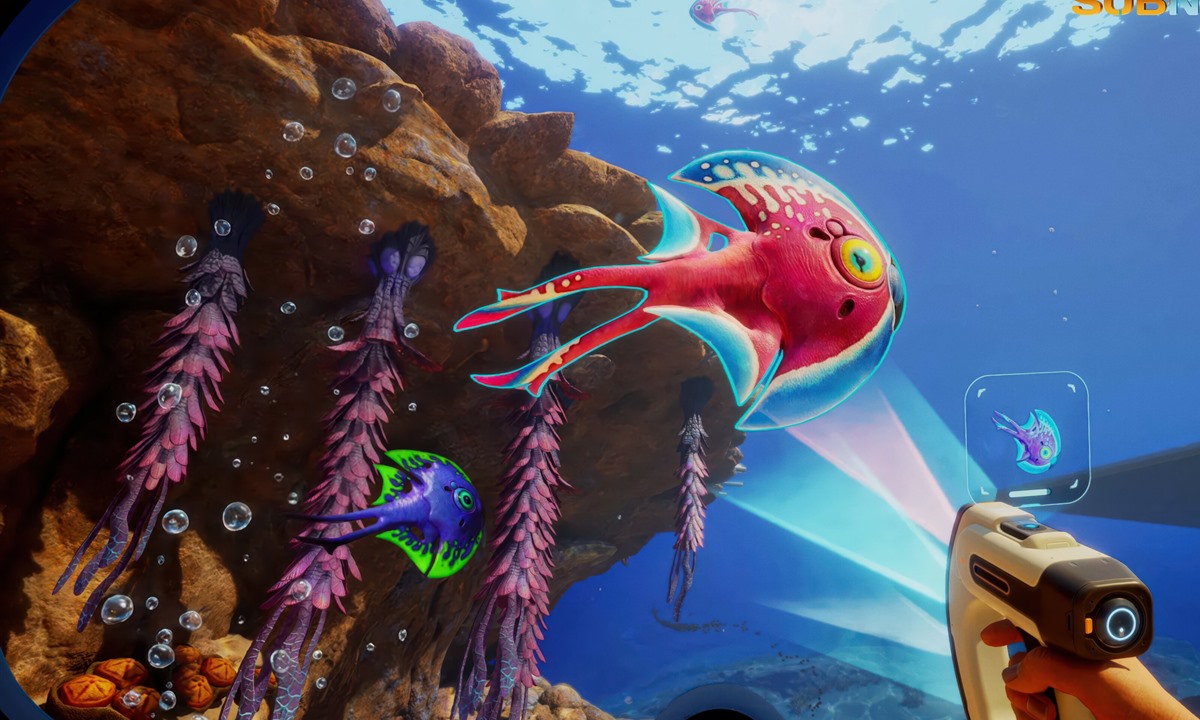
If survival pressure is stacking
How to get clean water fast
When oxygen is not failing alone, rebuild water, calmness, and recovery time together.
If the whole opening feels messy
What to do in your first hour
Reset the session here when oxygen trouble is only one symptom of a first hour with no real order at all.