What the site is trying to do
Answer the next useful Subnautica 2 question quickly instead of pushing readers into a giant archive first, with separate rooms for beginner, building, crafting, progress, and troubleshooting needs.
Site overview
Subnautica 2 Guide Hub is designed to help players solve specific Subnautica 2 problems fast. The goal is simple: one clear answer per page, strong internal links, and a structure that can scale as the game grows.
The site tries to behave like a maintained guide project: public policy pages, visible update notes, open correction paths, and clear source boundaries between official facts and fan-made gameplay guidance. If you want to challenge a page, use the correction path or see Community.
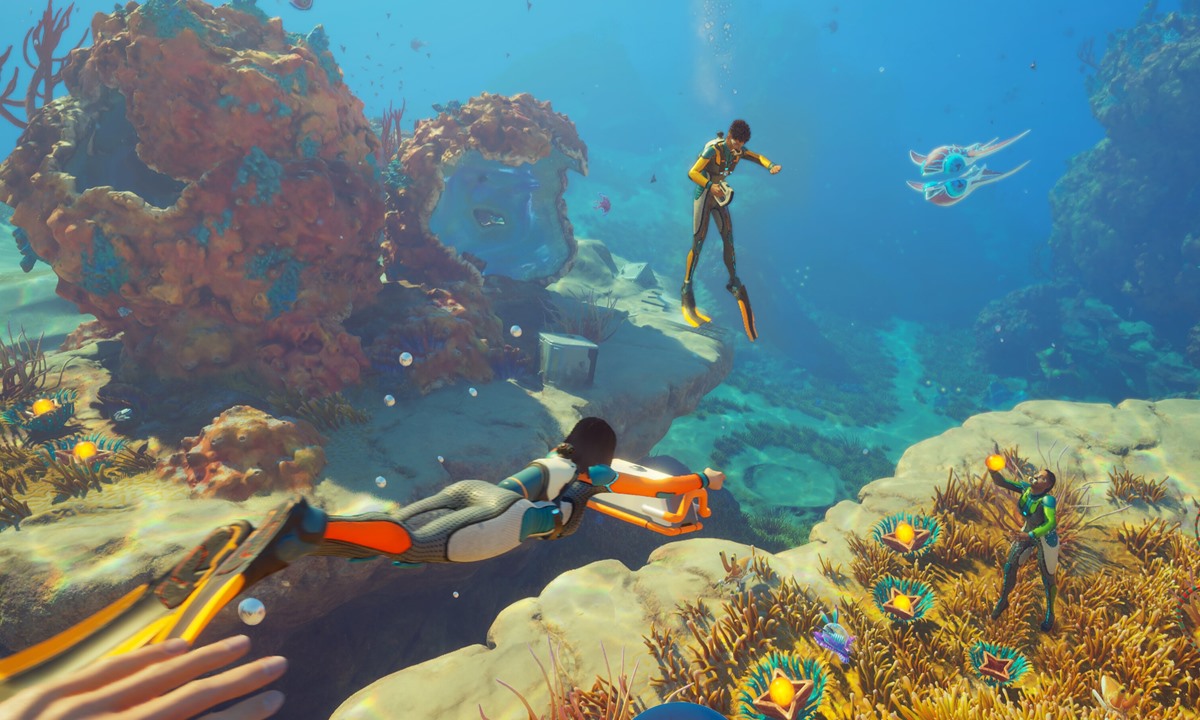
Answer the next useful Subnautica 2 question quickly instead of pushing readers into a giant archive first, with separate rooms for beginner, building, crafting, progress, and troubleshooting needs.
Each page should answer one main problem near the top, say when the advice is risky, and point to one clean next step.
Players who search while they play, usually on mobile or with the game open, and need something practical fast.
If the site stops narrowing decisions and starts sounding like filler, it becomes slower, harder to trust, and less useful mid-run.
What we are updating
Homepage, Guides, Database, Tools, News, and Early Access now describe their jobs more clearly so readers can choose the right room faster.
More guide pages now tell readers whether the advice fits first sessions, route expansion, base timing, or co-op use.
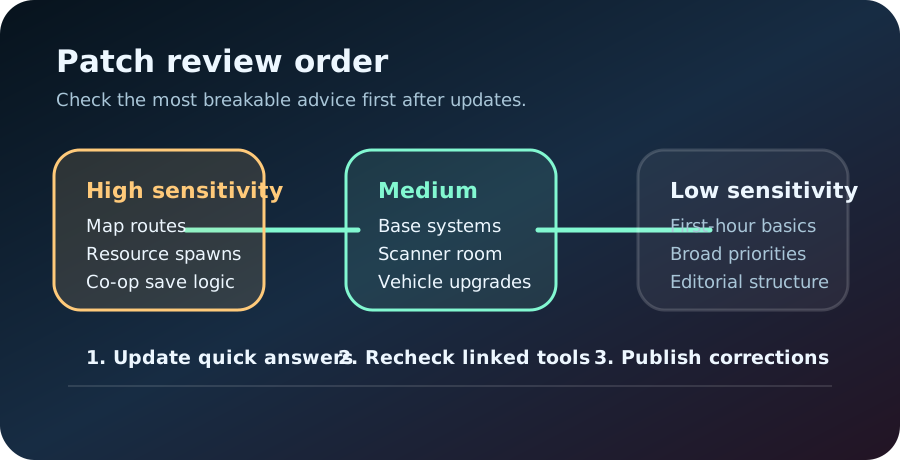
Routes, resources, dangerous zones, and multiplayer rules get checked sooner than broad evergreen advice.
The fastest fixes come from one guide URL, one changed section, one patch context, and one proof screenshot.
Route-sensitive guides, update-sensitive pages, and the pages readers reach most often from search.
Reviewed dates, media fit, correction requests, and whether a page still points to the next useful answer.
The homepage, resources hub, map hub, update tracker, and co-op pages should feel current, not frozen.
Independence and safety
Subnautica 2 Guide Hub is an independent fan-made guide site. It is not an official Unknown Worlds or Krafton website, and official release status, patch notes, trailers, store details, and official announcements should always be checked through official channels first.
The site is built for guide reading only. It does not host or point readers toward unauthorized files, unsafe account services, restricted commercial offers, mature-content material, or misleading install pages. If a page links outside the site, the link should help a reader verify official context or continue practical gameplay research.
| Trust area | Site rule | Why it matters for readers |
|---|---|---|
| Official facts | Use official pages first for release dates, update names, and confirmed feature changes. | Players should not have to guess whether a date or patch claim is invented. |
| Gameplay advice | Write route and progression help as practical guidance, not permanent canon. | Early Access balance and map details can change, so risky advice needs review labels. |
| Content boundaries | Keep the site focused on articles, checklists, maps, and safe external verification links. | Readers should never be pushed toward unsafe files, fake unlocks, or unrelated offers. |
Editorial identity
Public guide pages are attributed to Subnautica 2 Guide Hub Team. That label is used because the site should not pretend to have named staff writers unless those contributors are real, verified, and meant to be shown publicly.
The review team is responsible for page dates, patch-sensitivity labels, correction handling, and source-order notes. Readers can challenge a page through the correction path or review the full editorial policy.
The site uses one public team label so it does not invent named writers or fake expert profiles that cannot be verified.
Readers can challenge route, resource, co-op, or visual advice through the correction path, reader reports, or the public community hub.
Changes should appear in update notes, review dates, route warnings, and better next-step links instead of silent cosmetic edits only.
Originality and source boundaries
The original work on this site is the player-facing judgment: route order, stop rules, material priority, co-op role splits, base timing, comparison tables, checklists, and next-step links. Confirmed facts such as release timing, official feature names, trailers, and publisher statements should point back to official channels instead of being rewritten as if the site discovered them independently.
| Content layer | How readers should understand it | Trust signal |
|---|---|---|
| Original guide judgment | Practical advice shaped for one player problem, such as what to do first, where to stop, or what to build next. | Quick answer, scenario table, checklist, and next useful link. |
| Official context | Release status, naming, and announced features are treated as externally confirmed facts. | Official-source wording and links from the news or Early Access pages. |
| Reader-tested updates | Reports can trigger retesting, tighter warnings, or clearer route boundaries. | Visible review date, maintenance note, and correction path. |
Visual-first guide system
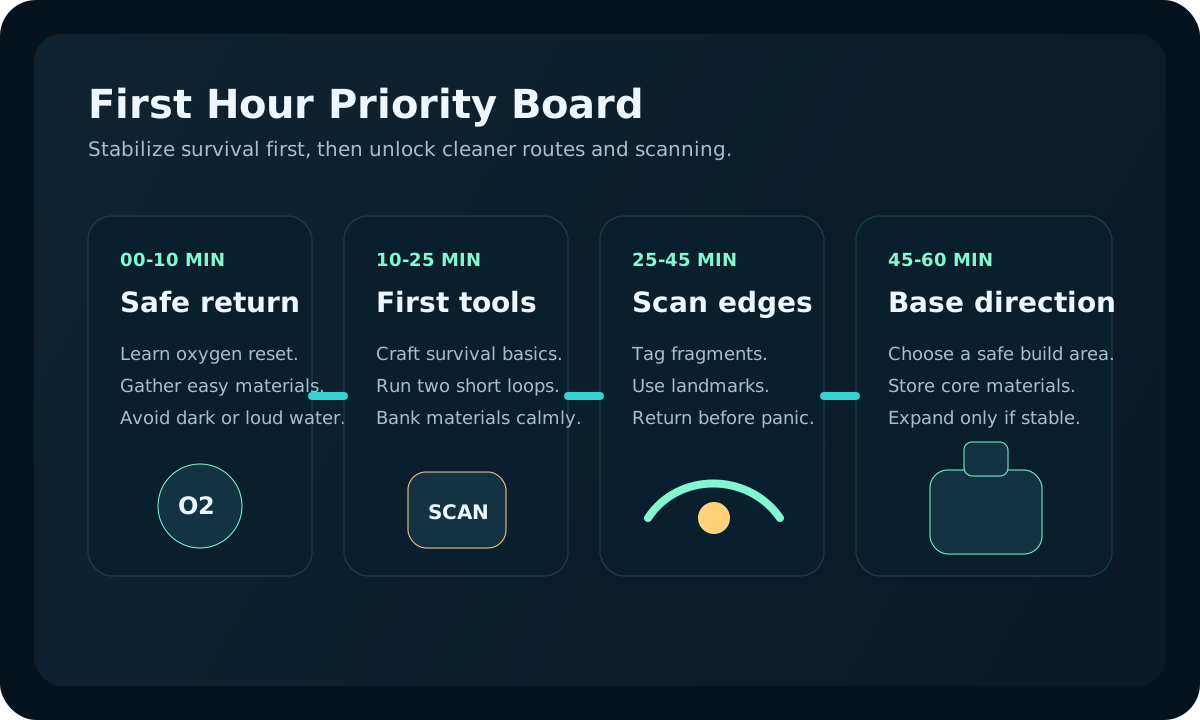
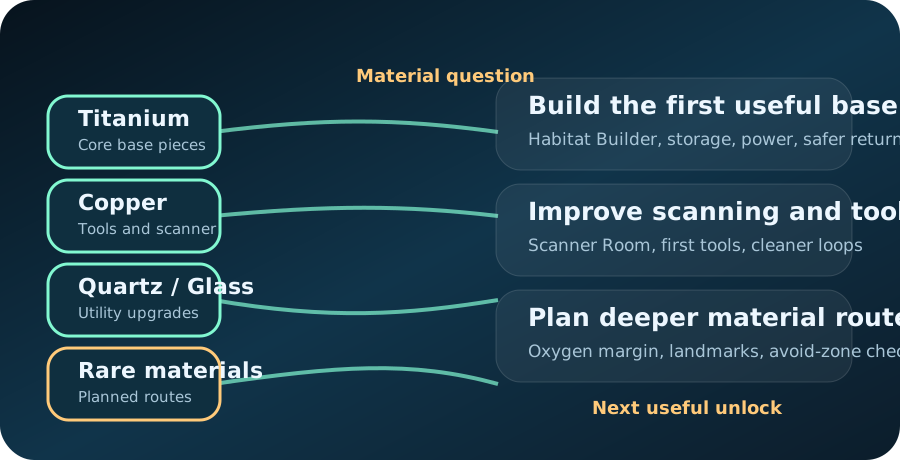
High-quality guide sites help players scan before they read. These visual previews turn route, resource, and update questions into clearer guide cards instead of long text walls.
Real player situations
A guide brand looks more real when the about page points back to visible player situations, not just abstract editorial language.
That is why route, landmark, and danger content is structured around narrower next moves instead of broad archive browsing.
Open route hub
The site is meant to say when advice is still useful, when it needs rechecking, and when the safer answer is to back up into a calmer lane.
Open update tracker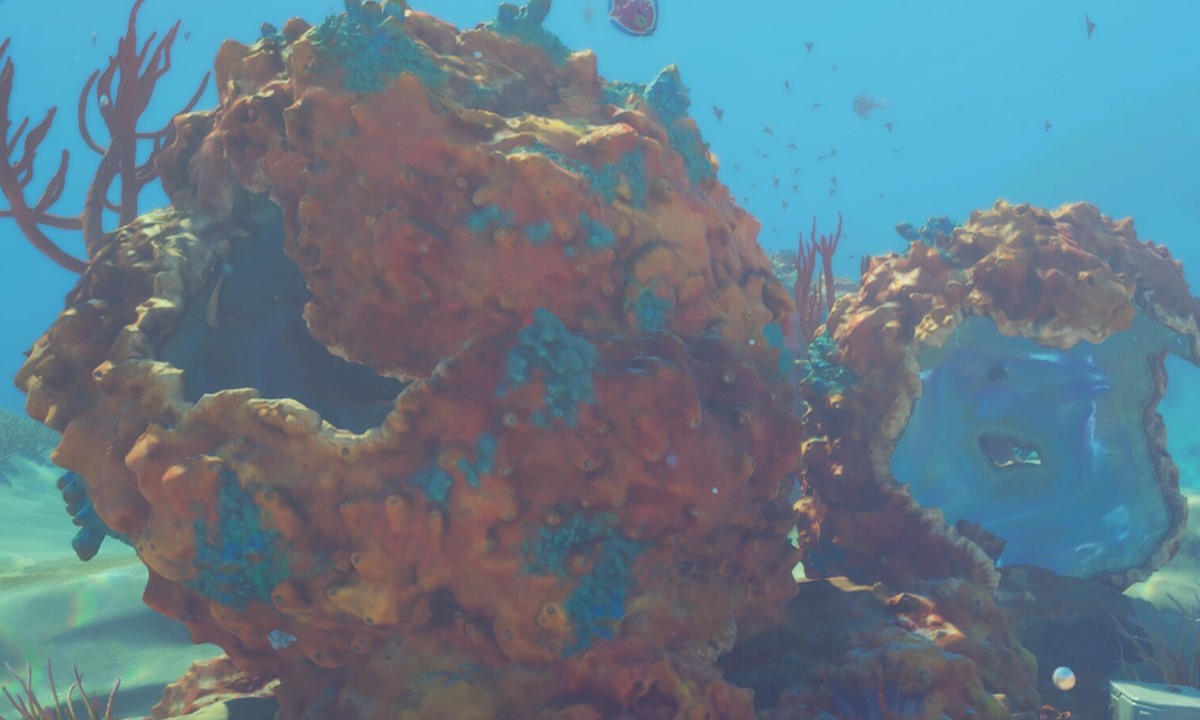
That means clearer role splits, better host guidance, and links that move readers into the next useful question quickly.
Open co-op guideEditorial Standards
Update Workflow
How We Update Guides
Guide Trust Signals
Source Hierarchy
Uncertainty Labels
Editorial Review Method
Who This Helps
Trust Signals In Place
About help
This page should explain the site\'s purpose fast: answer one player problem, show where the next page lives, and make the review trail visible enough that the site feels maintained instead of assembled.