You already return to one reliable area and a small base would clearly shorten the next few trips.
Base timing guide
Should you build your first base now or wait in Subnautica 2?
The first base should remove friction, not create a new project too early. This guide fits the moment you can finally afford base pieces, but still are not sure whether building now will actually help.
Last reviewed August 17, 2026
Patch sensitivity Medium
This timing call changes most if early materials, safe route density, or base utility costs are updated.
Oxygen, food, water, or location choice still are unstable enough that a base would mostly lock confusion into place.
Reviewed August 17, 2026
Built for first-base timing
Route-friction focused
Small-base mindset
You are deciding whether the first base improves the next few runs now, not whether bases are useful in general.
You already know the answer is yes and only need a good spot or a simple room order to start building.
Open first-base location if timing is right, or go back to survival and route pages if this comparison shows the base still is premature.
Quick answer
Build your first base now only if survival is stable, returns are clearly wasting time, and one good early location is obvious. Wait longer if oxygen, food, water, route safety, or base location are still messy enough that a base would only lock confusion into place.
How to read this timing call
- This page judges timing, not ambition: the first base only wins when it shortens real route friction right now instead of becoming a side project.
- It assumes smaller is better early: one useful room, storage, and power flow usually matter more than trying to build a full home too soon.
- Stop after one clear answer: if the answer is build now, move into first base location rather than reopening the same timing question later.
Page media
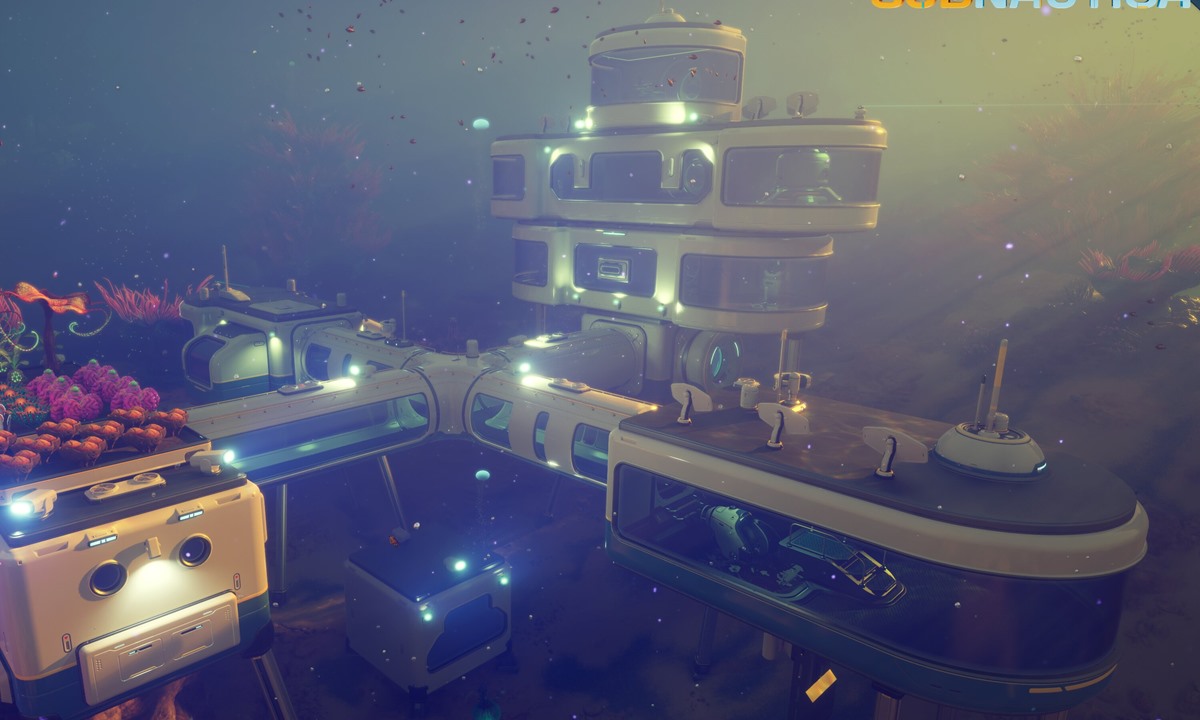
Check route value before you lock a first base into place.
This timing choice becomes much clearer when the base decision is paired with cleanup and location pages that prove whether it actually saves time.

Visual read
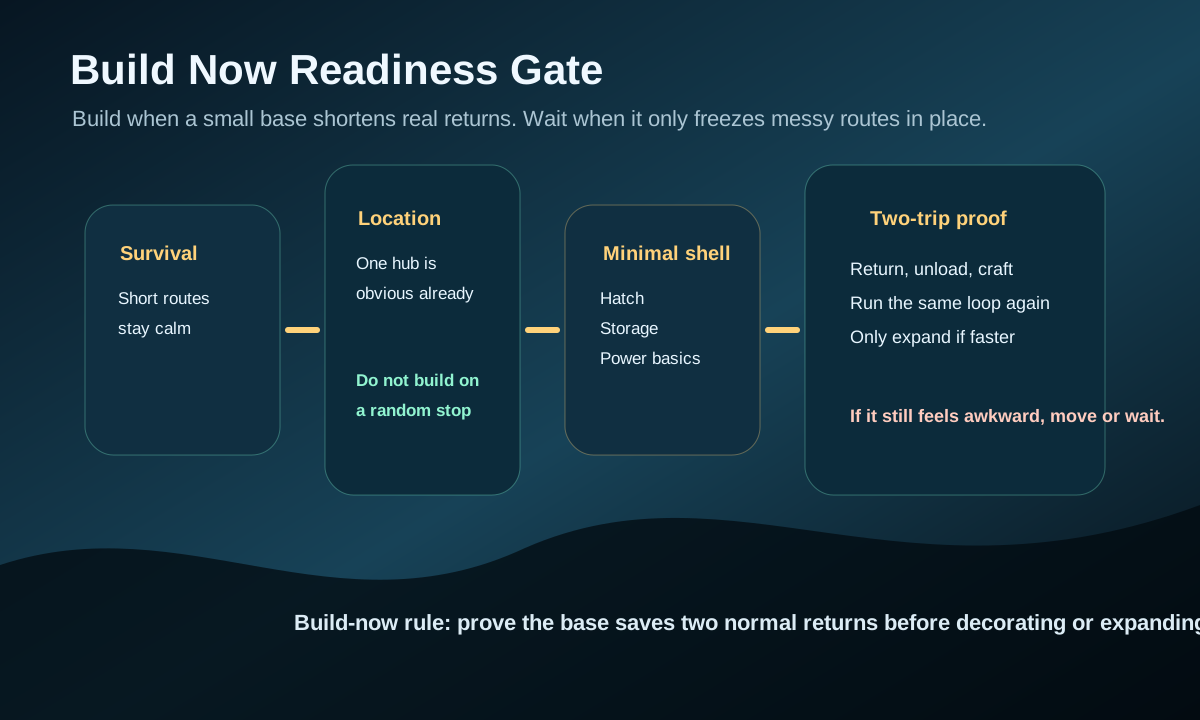
Build only when the base shortens real routes
The first base should make returns, crafting, and storage more reliable. If the route is still messy, waiting can be the more practical choice.

Build when prep starts repeating.
If you keep returning to the same safe area with the same materials, a small base can remove daily friction.
Wait if the location still feels wrong.
A base should lock in a useful route hub, not freeze a random stopgap spot into your progression path.
Good fit if
- You can afford early base pieces, but still are not sure whether building now actually improves the next few runs.
- Your route is good enough to gather materials, yet every return still feels clumsy or expensive.
- You need to compare build-now value against waiting for a cleaner survival loop or better location.
- You want one practical build-now test before you lock materials into a first base.
Fast decision card
| Question | If yes | If no |
|---|---|---|
| Do you have one location you keep returning to? | Start a small base there. | Wait and keep scouting safe landmarks. |
| Are survival needs stable on short runs? | Spend materials on storage, power, and crafting flow. | Fix oxygen, food, and water before building. |
| Will a base shorten the next three trips? | Build now with a minimum package. | Wait, because the base may only add clutter. |
Build now or wait table
Building early is good when it shortens the next loops. It is bad when it steals materials from survival fixes or puts a base in the wrong place.
| Current situation | Best choice | Why it works | Wait instead if |
|---|---|---|---|
| You keep doing the same short material loops and every return feels wasteful | Build now | The base can turn repeated returns into faster storage, crafting, and route resets. | You still cannot choose a stable location. |
| Food, water, or oxygen still interrupt half your runs | Wait | Survival pressure will make the base feel like extra work instead of relief. | You already solved survival and only returns are messy now. |
| You have base materials, but no clear route hub yet | Wait a little longer | A bad first location creates travel pressure and rebuild costs. | One safe, material-rich area already stands out. |
| You need storage, crafting access, and oxygen reset in one place | Build now | The base becomes a practical tool instead of a future project. | You are still planning cosmetic rooms or long-term expansion first. |
| You are in co-op and the team keeps scattering materials | Build now if roles are clear | A shared drop point can instantly clean up team routes. | No one is handling storage, deposits, or session goals. |
You are ready for the first base when
Use this first-base run plan
The first base is strongest when it behaves like one good run, not a giant project. Build only the shell that saves time immediately.
| Phase | Do this | Stop when | Good result |
|---|---|---|---|
| Before leaving | Choose one safe hub and carry only the materials for a minimal shell. | You catch yourself planning extra rooms before the shell exists. | The whole trip still has one purpose: place a practical base. |
| On placement | Build for oxygen reset, storage, and easy crafting first. | The location already feels awkward for returns or resource banking. | The base immediately shortens the next route instead of creating detours. |
| After the shell works | Run one or two normal trips through it before expanding anything. | The shell is still not saving time after a couple of returns. | You can clearly name what the next added room would improve. |
Run this one-session build-now test first
Before you commit, play one focused session and watch whether the run breaks down because you have no base yet, or because the rest of the loop still is not ready for one.
| Moment in the run | Build now if | Wait longer if |
|---|---|---|
| Leaving for a short material trip | You already know the route and the location you keep returning to. | You still rotate between several possible hubs with no clear favorite. |
| Coming home with one useful batch | The return would feel much better with storage, crafting, and a stable reset point. | The real problem is still oxygen, food, water, or route safety before you even get home. |
| Planning the next two or three trips | One small base would clearly shorten those trips right away. | The base would mostly sit there while you still chase basic survival stability elsewhere. |
Wait a little longer when
- You still drift between several possible base spots every run.
- The true blocker is oxygen, route fear, or one material you cannot gather reliably yet.
- The base would be built only because it feels like the correct milestone, not because it solves a repeated problem.
- You are already thinking about scanner, layout, and expansion before hatch, storage, and power basics.
What a bad early base usually looks like
- It sits in a place you do not naturally return to, so every deposit becomes a detour.
- It consumes the materials that should have fixed oxygen, tools, or route clarity first.
- It grows into layout decisions before power, storage, and basic function ever feel clean.
- It makes the player feel committed to a weak spot just because building it took effort.
Two-return proof before expansion
A first base earns expansion only after it helps two ordinary returns. If it cannot pass this small test, the problem is timing or location, not a lack of extra rooms.
| Return test | Pass signal | Fail signal | Next action |
|---|---|---|---|
| First material return | Storage and crafting are faster than before. | The base adds a detour to the route. | Move or pause before adding rooms. |
| Second survival reset | Food, water, oxygen, and tools reset in one place. | You still leave underprepared or confused. | Fix survival routine before expansion. |
| Next route planning | The base makes the next blocker easier to name. | The base hides materials or creates clutter. | Improve layout and labels first. |
| Co-op drop-off | Players agree where shared materials go. | The base becomes a pile of mixed inventories. | Assign storage roles before building more. |
August 16 update: build now only if the base fixes the next two returns.
A base is worth building when it changes ordinary play quickly. If it cannot make the next two returns faster, clearer, or safer, wait and fix the route or material problem first.
| Build-now reason | Good reason? | Best action | Warning sign |
|---|---|---|---|
| Repeated routes keep ending with messy inventory and unclear crafts. | Yes, if the site is close to the return loop. | Build a small functional shell with storage and crafting first. | The chosen spot adds a detour to every return. |
| You found a scenic or central-looking location. | Not by itself. | Run two normal returns through it before committing materials. | The location looks good but does not shorten any current route. |
| The team needs one shared place to deposit materials. | Yes, especially in co-op. | Build a shared drop-off and role flow before expanding rooms. | Players still disagree where shared progress lives. |
| You are building because survival or oxygen is still stressful. | Usually wait. | Stabilize the route first, then build when returns are repeatable. | The base is being used to avoid fixing route discipline. |
Common build-now mistakes
- Building because the milestone feels exciting, not because the next few runs clearly improve.
- Choosing a pretty or central-looking spot before route safety and repeat returns have proven it.
- Overbuilding the first base instead of using a minimum package that fixes storage, crafting, and power first.
- Locking materials into a base when the real blocker still is shallow survival or route discipline.
Minimum build-now package
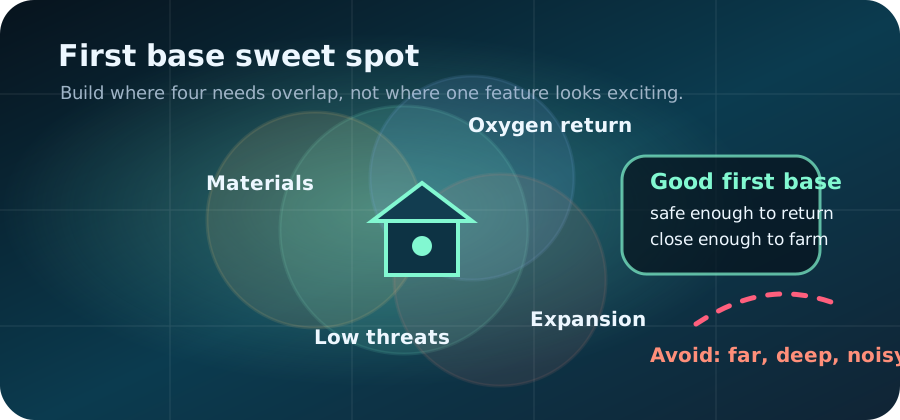
- Pick the safe location first, then bring only the materials for a small functional shell.
- Build for oxygen reset, storage, and crafting flow before comfort or decoration.
- Keep the first power plan simple enough that the base is useful immediately.
- Stop after the base saves time once or twice, then decide whether more rooms are actually needed.
Solo and co-op timing
| Mode | Build now when | Main mistake | Best follow-up |
|---|---|---|---|
| Solo | The base will clearly shorten your next three returns. | Building because it feels like progress while survival is still unstable. | First base build order |
| Co-op | The team needs one drop point and one route hub to stop overlapping jobs. | Building a base with no one managing storage, power, or deposit order. | Co-op progression |
July 31 build-now review note
This page was rechecked around one practical rule: the first base is ready only when it shortens the next route, not when the player simply has enough materials to place a shell.
- Build now if two normal returns become faster, clearer, and easier to craft from.
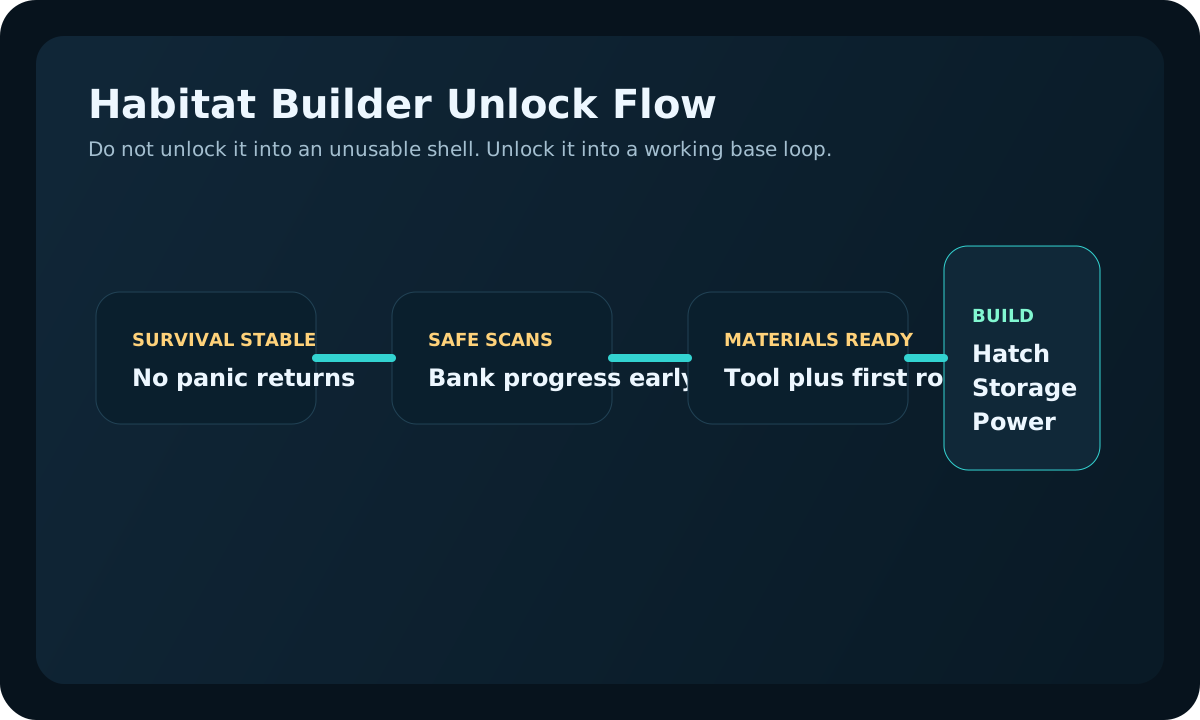
- Wait if survival prep, base location, or builder unlock path is still vague.
- Do not expand until the basic shell already improves storage, power, and deposit rhythm.
If this is your blocker, read this next
| Current blocker | Fix this now | Next guide |
|---|---|---|
| You do not even have the builder path ready | Unlock the base-building tool first | How to unlock the Habitat Builder |
| You want to build, but still cannot choose the spot | Pick the route hub before placing the shell | Best first base location |
| You are ready to build and want the correct room order | Turn timing into a real build plan | What should you build first in your base? |
| You are not sure whether base work or materials matter more | Pick the next useful resource before building extra rooms | What material should you farm first? |
| You still cannot tell what the next practical step is | Clarify the blocker before spending materials | What should you do next when stuck? |
Good signs the base is worth building now
- You already know what the base should make easier on the very next run.
- Returns become faster, calmer, and more organized immediately after building.
- The base clarifies the next route instead of becoming a new distraction.
- You can stop after the basic shell and still feel the improvement.