The team is active and willing, but co-op still feels slower than solo because everyone keeps solving the same job.
Co-op role split guide
How should co-op players split roles in early Subnautica 2?
Early co-op is slow only when everyone improvises the same job. This page helps teams decide who should scout, gather, build, and call the return before the first real session gets messy.
Last reviewed August 17, 2026
Patch sensitivity High
Recheck this page after co-op updates if host behavior, shared progression rules, or multiplayer pacing change.
One caller, one scout, one gather loop, and one player who turns returns into visible shared value.
Quick answer
In the first co-op sessions, one player should anchor the base and shared storage, one should scout and scan, and one person should always be responsible for calling the return. Good co-op feels faster because jobs are different, not duplicated.
Page media
Open these before the first real session turns into four players creating one pile of the same problem.
This set gives one co-op base-role check, one hosting follow-up, and one shared-progress page for the moment role confusion starts bleeding into storage and world ownership.
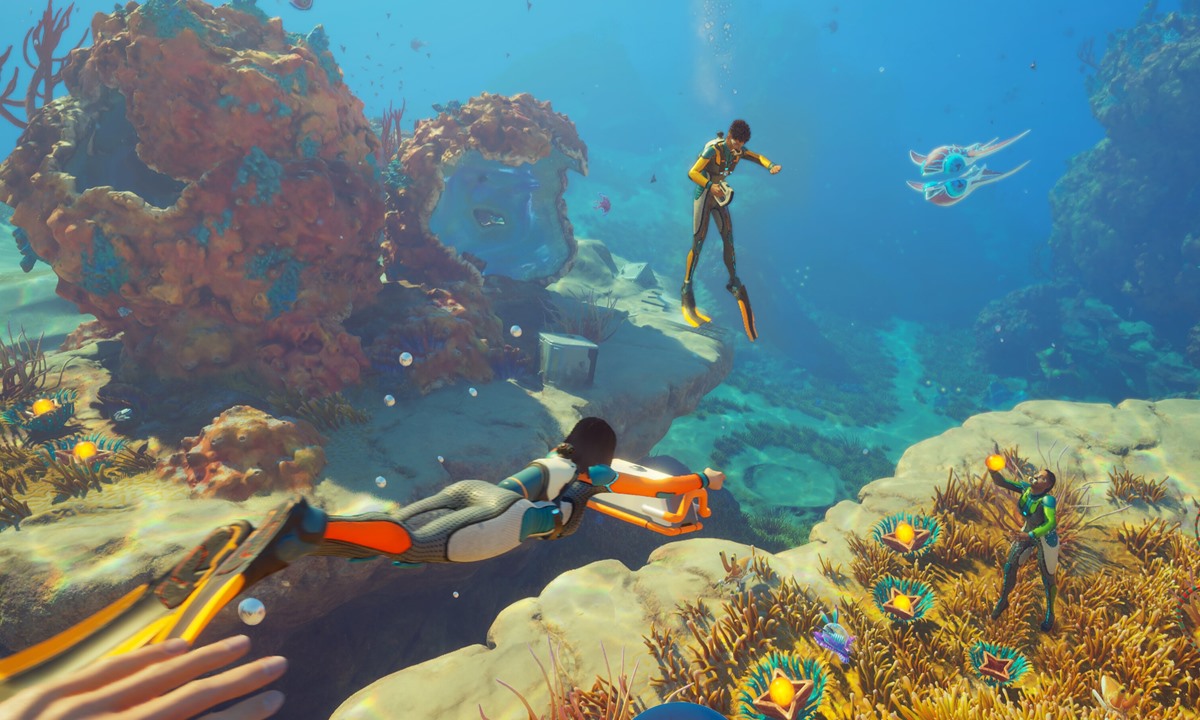
Base roles
Co-op base roles
Open this when the first-session split needs to continue into storage, building, power, and return calls.
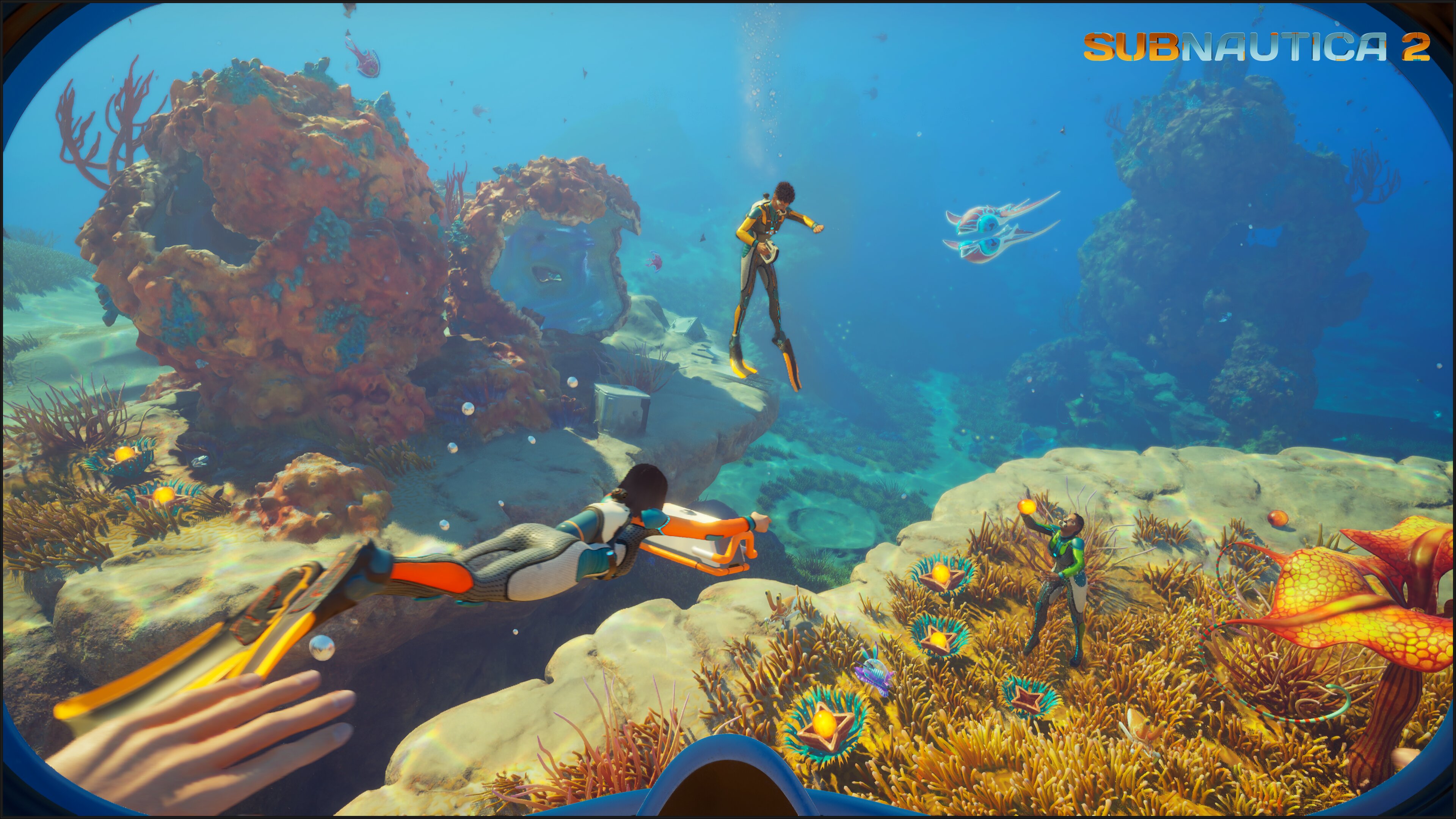
Host logic
How hosting works in Subnautica 2 co-op
Open this next when the team still is role-splitting around a world whose long-run owner is not fully settled.
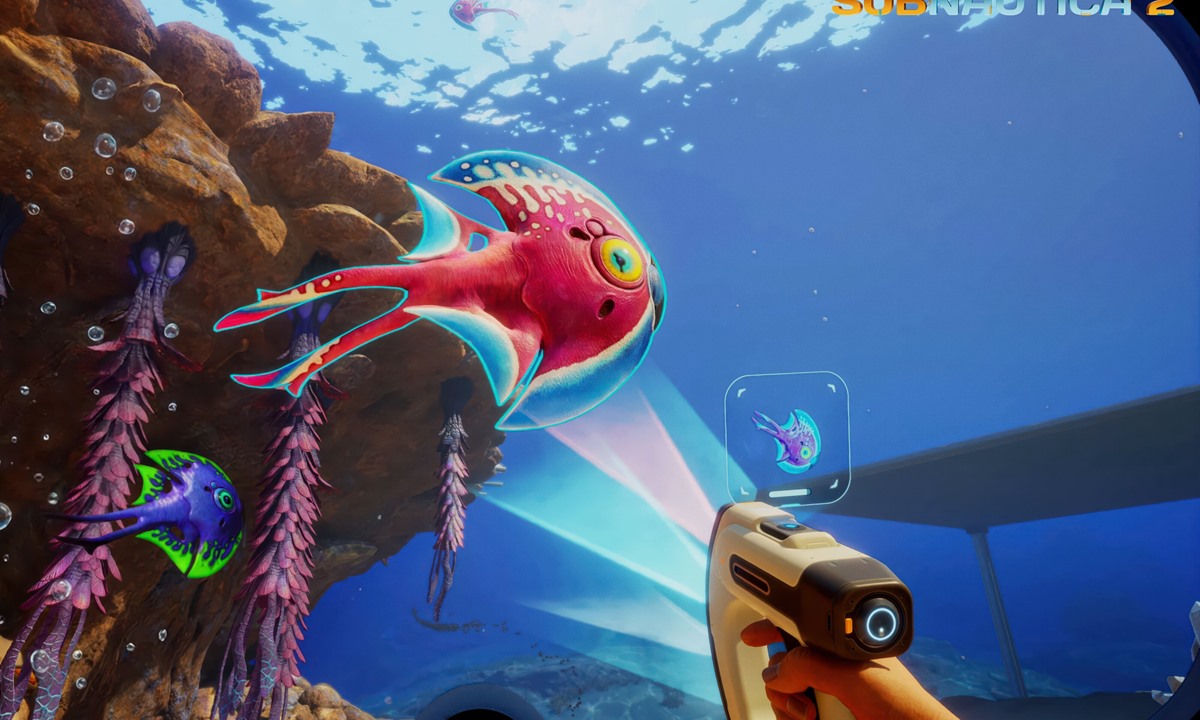
Shared value
Is progress shared in co-op?
If roles are not the only issue, clean up deposits, unlocks, and session handoff together.
Good fit if
- Your team is active, but early co-op still feels slower than it should.
- Everyone keeps doing the same job and shared progress comes home messy.
- You need one simple role split before the first serious session starts branching into side goals.
- You want co-op speed to come from cleaner jobs, not just from more players swimming around.
Use this role split table first
The best early role split depends on player count and session goal. Start here before anyone swims off with the same plan.
| Player count | Best split | Main rule | Most common mistake |
|---|---|---|---|
| 2 players | Base anchor + scout | One keeps the home loop clean while one widens the route. | Both players scouting the same route with empty storage behind them. |
| 3 players | Caller + scout + gatherer | One calls the route and return, one scans, one repeats materials. | No one owns deposits, so materials still arrive randomly. |
| 4 players | Caller + scout + gatherer + builder | The builder should stay near base enough to turn returns into real upgrades. | Everyone leaves base at once and comes home to the same clutter. |
Real gameplay checkpoints
These are the three co-op role situations that usually separate real momentum from loud confusion.
One split creates compounding value, one only looks busy, and one is really a missing return caller disguised as bad luck.
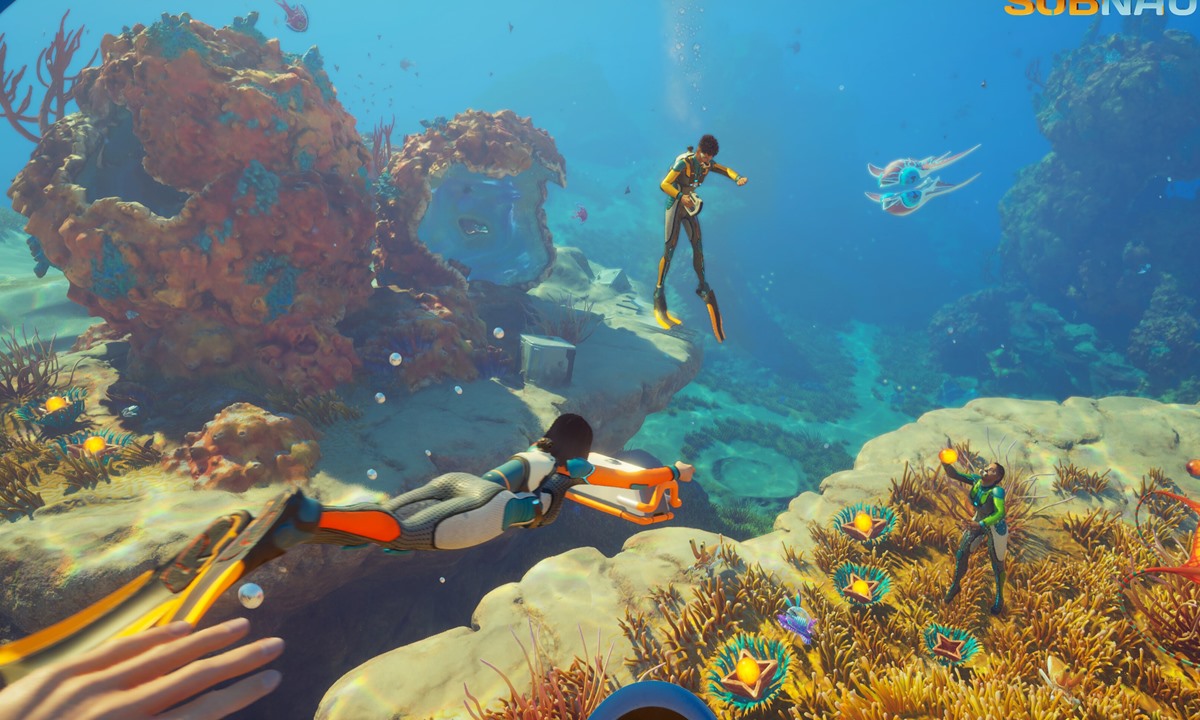
This is the healthy pattern: different players solve different parts of the same shared objective.
The session feels fast because returns produce scans, materials, storage value, and route notes at the same time without overlap.
Open co-op progression
The team is talented enough, but nobody is really ending the run when it already succeeded.
Fix return ownership first when the group keeps turning good progress into chaos simply by staying out too long.
Open co-op-hosting guide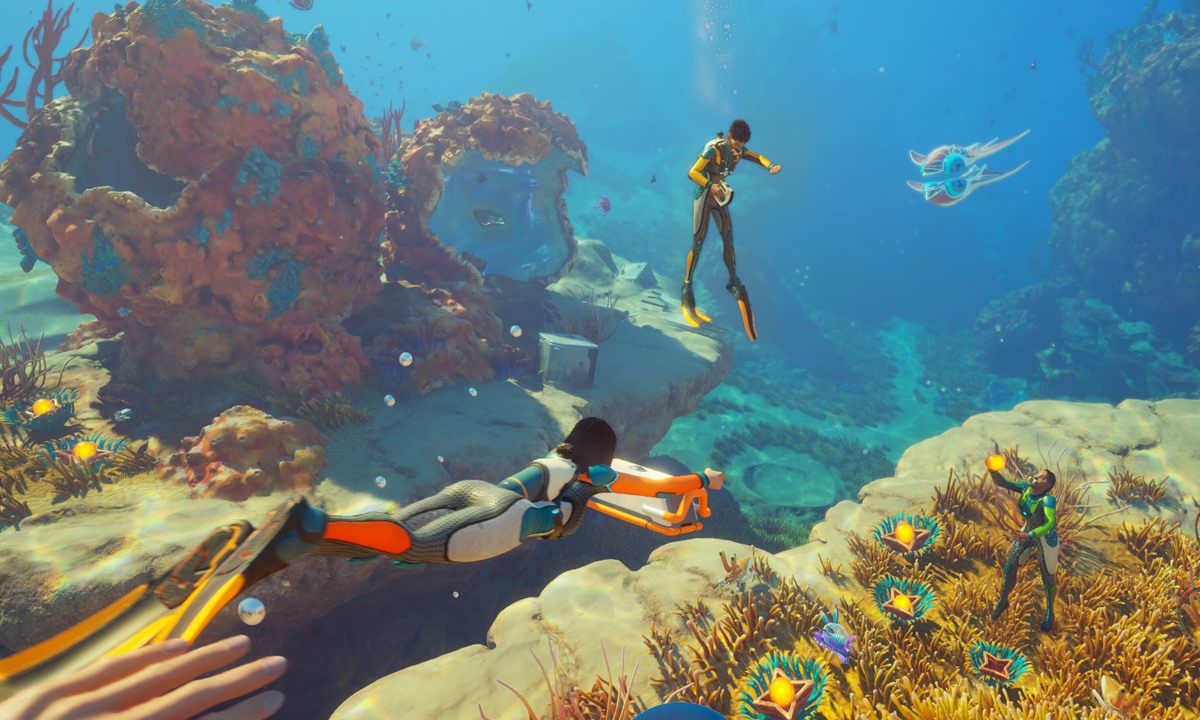
The split works best when one player is turning returns into visible shared systems at home.
If nobody owns the home side, co-op often feels productive in the water but messy again the moment everyone gets back.
Open shared-progress guideBest early jobs by role
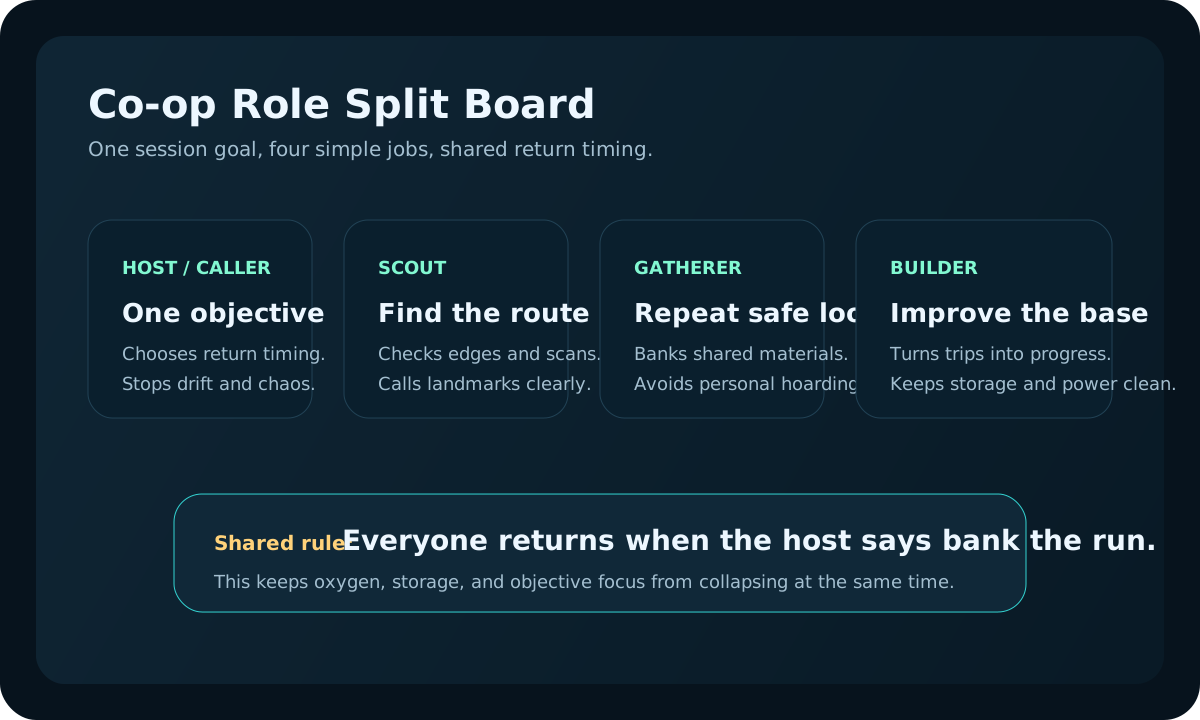
- Caller / host: names the session goal, calls the first return, and stops the team from stacking side goals.
- Scout: finds landmarks, fragments, and safe biome edges without dragging the whole team into risky water.
- Gatherer: repeats the safest material loop and keeps shared storage stocked before personal crafts happen.
- Builder: turns early returns into storage, crafting flow, power basics, and cleaner next routes.
First co-op session flow
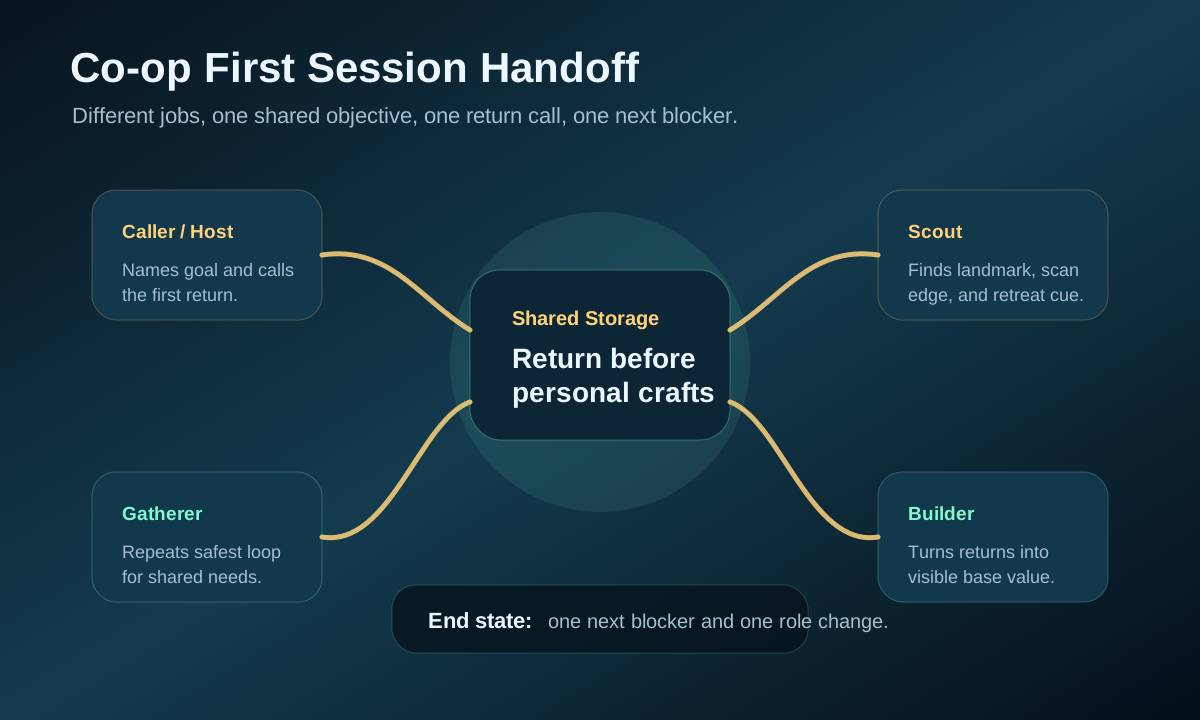
- Choose the host and name one shared objective before leaving the starting area.
- Keep one player near the base loop long enough to stabilize tools, storage, food, and water.
- Let one player scout only short safe expansions until the first useful route is proven.
- Bring everything back into shared storage before anyone crafts personal upgrades.
- End the session with one named next blocker, one role change if needed, and one clear next route.
| Session beat | What the team says out loud | Success signal |
|---|---|---|
| Launch | "This session is for tools, storage, and one safe route." | Nobody leaves with a private side quest. |
| First return | "Deposit first, then decide crafts." | Shared storage gets clearer instead of noisier. |
| Route test | "Scout names the landmark; caller names the turn-back point." | The team can repeat the route without all players going together. |
| Wrap | "Next blocker is either host, materials, route, or base." | One role changes before the next session starts. |
Switch roles when
| Situation | What to change | Why |
|---|---|---|
| The base is stable and the route is now the blocker | Move one player from base to route support | Once home friction is solved, extra route coverage becomes more valuable. |
| Everyone keeps bringing back the same materials | Assign one gatherer and one scanner or scout | Clear ownership reduces wasted overlap immediately. |
| Returns feel late or chaotic | Make one player the return caller | Someone must end the run before oxygen, inventory, and side goals pile up. |
15-minute role rescue when the session starts drifting
If the first co-op session turns noisy, do not redesign the whole team. Spend one short reset pulling everyone back to one shared blocker, one storage handoff, and one return rule.
| Minute | Reset action | Success signal |
|---|---|---|
| 0-3 | Everyone deposits before crafting or leaving again. | The shared storage wall shows what the team actually has. |
| 3-6 | Name one blocker: host, storage, route, scan, material, or base support. | The next job is no longer "do everything." |
| 6-12 | Assign only two active jobs: route owner and base owner. | Players stop duplicating the same swim or opening the same lockers. |
| 12-15 | Call the next return rule before the team launches again. | The session ends with a handoff instead of another loose pile. |
Good signs the split is working
- The team comes home with different useful outcomes instead of duplicated loot.
- Shared storage becomes clearer after each run, not more chaotic.
- The next blocker is easier to name because each player saw a different useful part of the run.
- Co-op starts feeling faster than solo instead of louder than solo.
August 17 role-split review note
This page now checks whether co-op roles are actually reducing duplicate work. A role split is successful only when the team returns with complementary progress and one clear shared next step.
- Assign one scout, one gatherer, one base owner, and one return caller before leaving.
- Switch roles when a blocker changes, not when players get bored mid-route.
- End the session with a shared storage check so the next run does not repeat the same jobs.
Next route map
Choose the next page by the thing your role split still is not solving.

If nobody is sure who should anchor the world
How hosting works in Subnautica 2 co-op
If player jobs are cleaner but the host world feels unstable, settle the world anchor first.
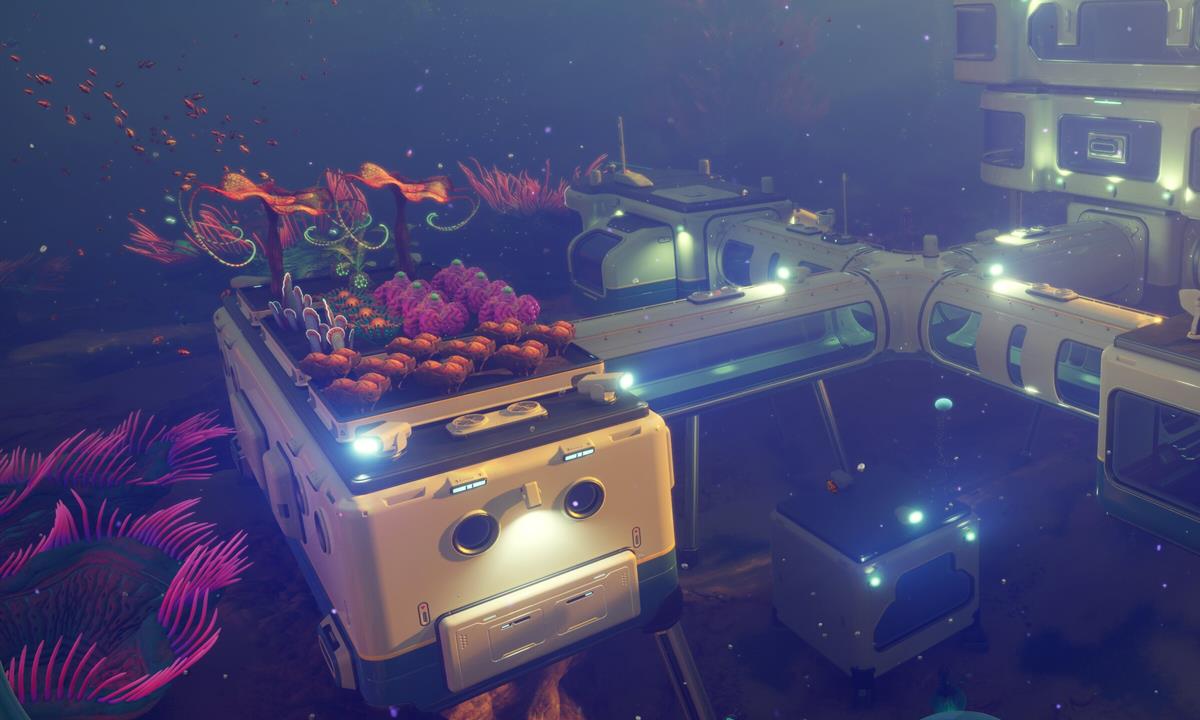
If shared value still is messy
Is progress shared in co-op?
When roles exist but deposits and handoff feel fragmented, rebuild the shared-progress routine.

If the route itself still feels wrong
Solo vs co-op route differences
Once jobs are cleaner, reshape the route for multiple players instead of copying solo timing.