Stay sequential: one survival fix, one material goal, one base step, then one route upgrade.
Decision guide
Solo vs co-op route differences in Subnautica 2
Solo runs need calmer sequencing. Co-op runs need shared goals, return rules, and role ownership. The mistake is assuming more players automatically means faster progression.
Last reviewed August 17, 2026
Patch sensitivity Low
Route advice is mostly stable, but role efficiency can shift if co-op progression, hosting, or shared inventory rules are patched.
Split only after the team agrees on host, storage, one shared goal, and one return trigger.
Quick answer
In solo, follow one short chain: survival, one material target, one base step, then one route upgrade. In co-op, split only after the team agrees on the host, shared storage, route goal, and return trigger. Bad co-op is slower than solo when everyone gathers separately without one shared plan.
Page media
Open these first if your team keeps asking why adding more players still does not feel faster.
One page fixes progression structure, one clarifies what really is shared, and one tightens hosting expectations before route planning turns into session-end confusion.
Progress
How multiplayer progression works
If the team lacks a shared route ladder, build that before simply surviving together again.
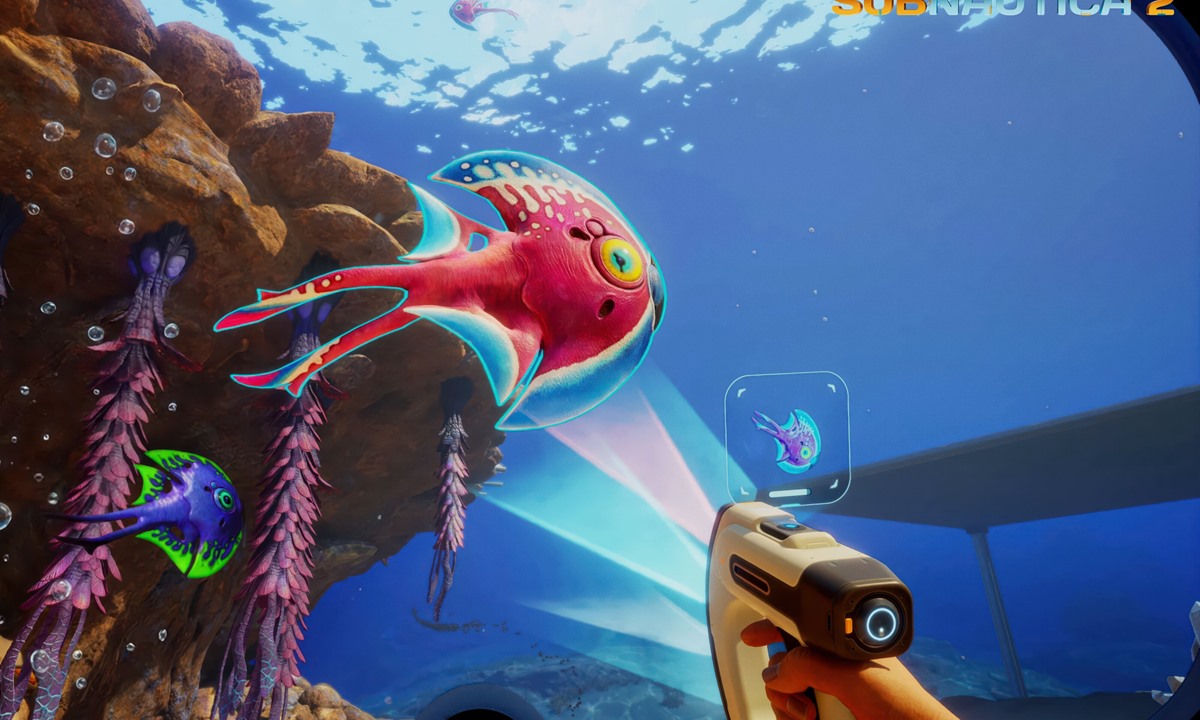
Ownership
Is progress shared in co-op?
If route planning breaks because nobody trusts carryover, settle shared progress first.
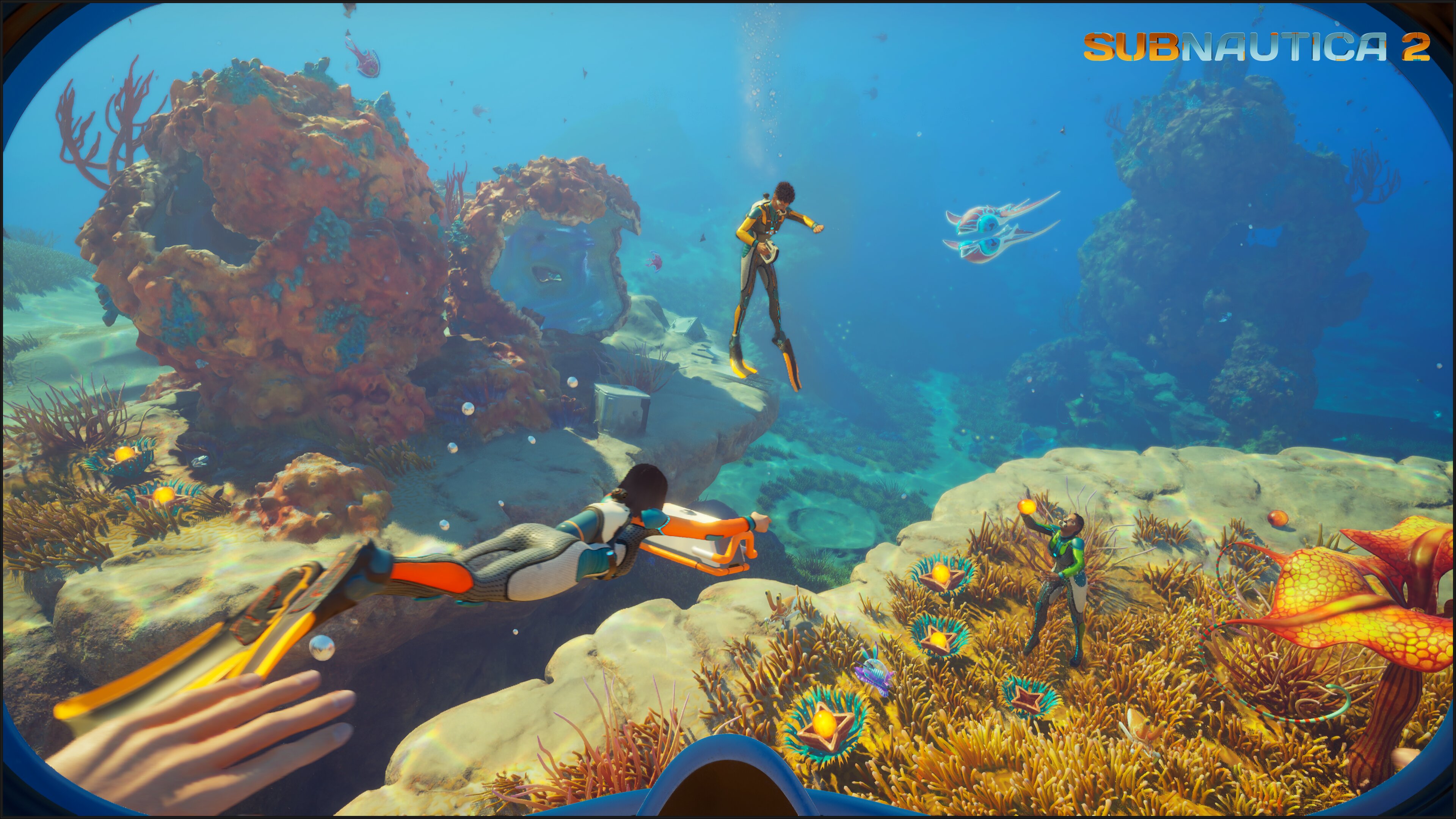
Host
How hosting works in co-op
If route confusion is really a host-world problem, settle session ownership underneath it.
Good fit if
- You want to know whether the next session should play like solo discipline or real team split.
- Players keep leaving base together but still returning with duplicate materials and no clear progress.
- You need a practical way to decide when the group should stay stacked and when it should spread out.
- The team feels active, but still is not compounding effort the way a good co-op route should.
Solo vs co-op route table
Co-op should change how the team moves, not just add more people to the same solo checklist.
| Route decision | Solo approach | Co-op approach | Risk to avoid |
|---|---|---|---|
| First hour | Stabilize oxygen, water, food, and one tool path. | One player handles base supplies while another scouts short safe routes. | Splitting before survival basics are stable. |
| Material runs | Farm one craft target, then return and spend it. | Assign one material runner and one deposit/craft owner. | Everyone farming different materials with no shared storage rule. |
| Base building | Build compact storage and power before expansion. | Agree on shared storage before personal crafting. | Players consuming shared materials without a build order. |
| Exploration | Use landmarks and turn back before panic starts. | Scout reports landmarks before gatherers carry full inventories. | Deep scouting with no return cue or rescue plan. |
| Scanner Room | Build only when one repeated search wastes time. | Use the scanner to give the whole team one visible target. | Everyone chasing markers without deposit timing. |
Real gameplay checkpoints
These are the three route states that decide whether co-op actually is helping or just multiplying confusion.
One pattern means solo discipline still is better, one unlocks a healthy split, and one reveals that the team should regroup before another long session leaks more time.
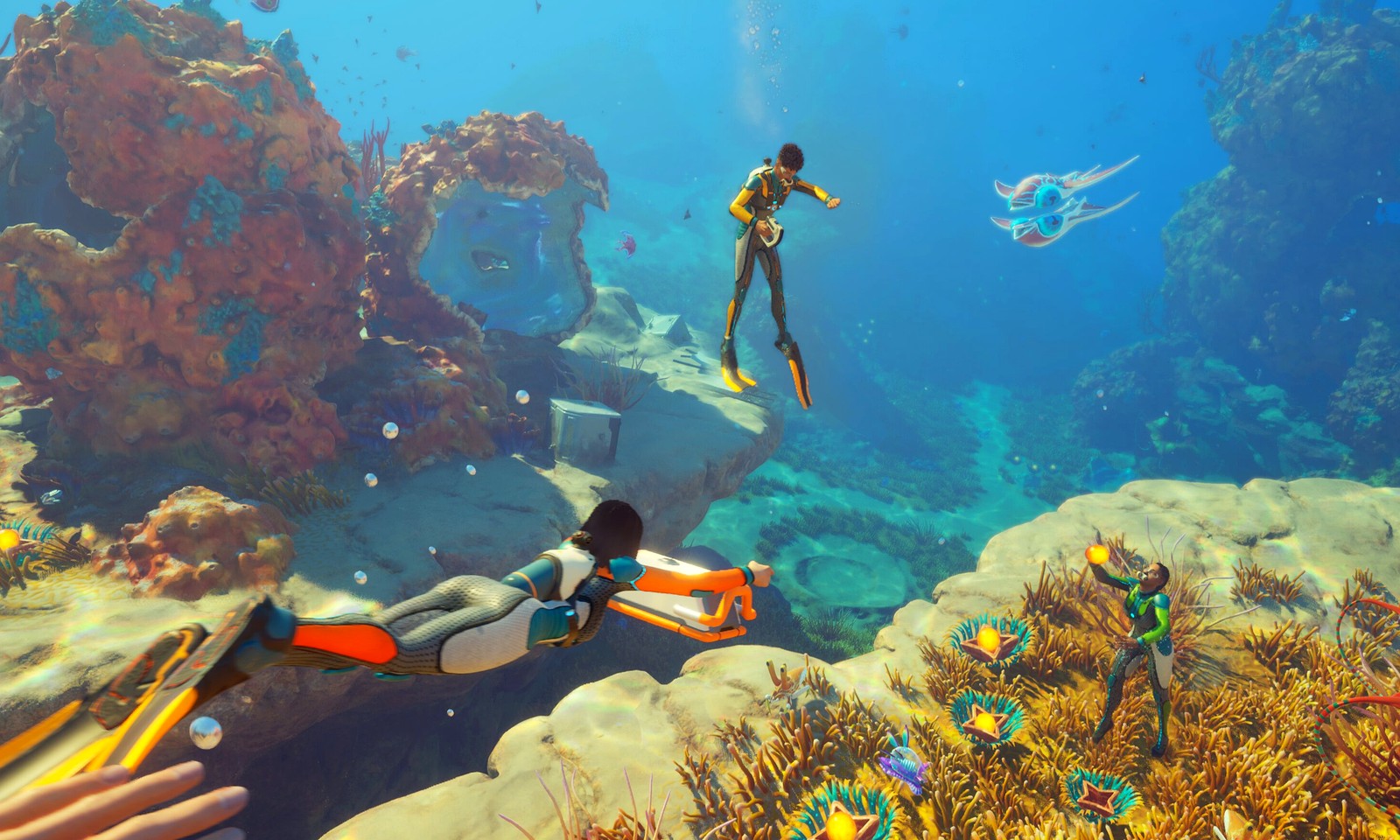
This still needs a solo-style chain, even in co-op.
If new players are still losing landmarks or survival basics, keep the team on one shallow loop until the route is calm enough to split later.
Open first-hour guide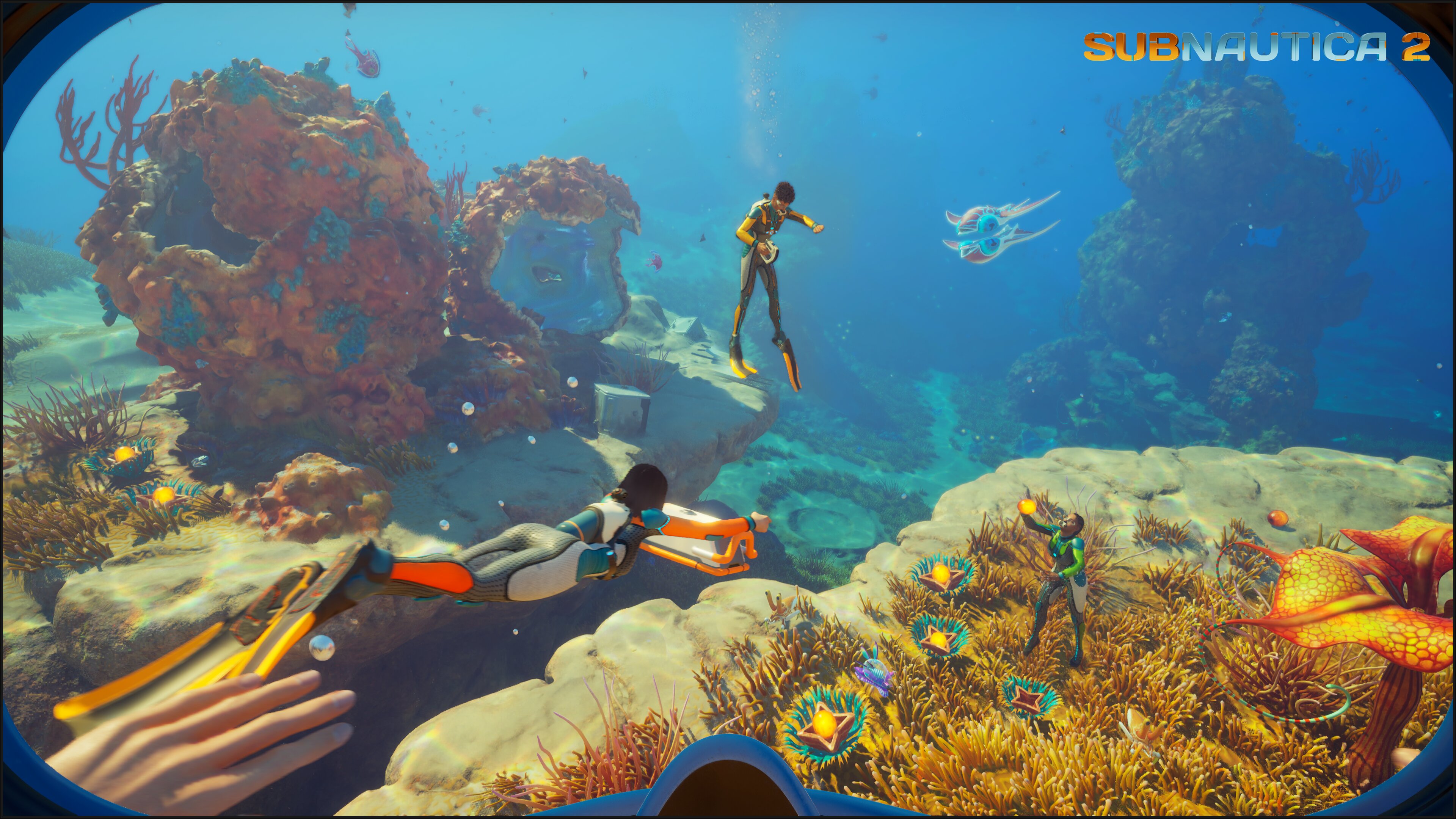
This is healthy co-op: one objective, one caller, and roles that reinforce rather than overlap.
Once everyone knows the target and return rule, splitting creates real speed instead of extra noise.
Open co-op-first-session-roles guide
If returns happen only through panic, the team split already is failing.
Regroup before the next push when no one can explain where shared progress is supposed to land after the trip.
Open shared-progress guideUse the solo route when
- You still are learning survival timing, oxygen margins, and safe biome edges.
- You do not want shared materials disappearing before the base loop is stable.
- The next goal is one clear craft, route, or base improvement.
- You need fewer moving parts and a calmer route you can repeat from memory.
Use the co-op route when
- The host and save expectations are already clear.
- Everyone understands the shared objective before leaving base.
- The team can split into scout, gatherer, builder, or support without duplicating work.
- Shared storage rules are clear enough that resources do not disappear into private plans.
Two-player route plan
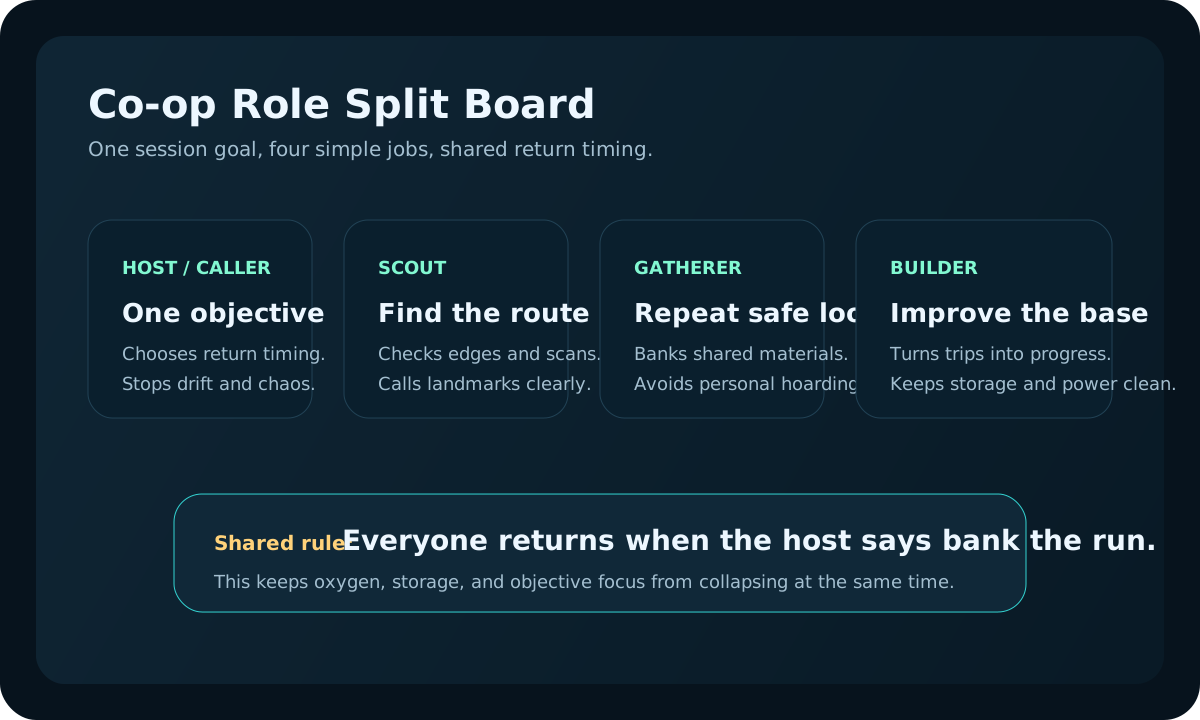
- Player one handles storage, basic base order, and deposit flow.
- Player two scouts safe edges, marks useful fragments, and avoids deep detours.
- Both return after the first useful batch, then choose one shared craft goal.
- Only split wider after the base has storage, power, and a clear next target.
Three or four-player route plan
- Assign one route caller before anyone leaves base.
- Use one scout for landmarks and one material runner for repeatable loops.
- Keep one player responsible for storage, power, and crafting flow.
- Stop the session loop when the team cannot say what the next shared unlock is.
Regroup rules that keep co-op faster than solo
Splitting only helps while the team can still explain where everyone is and what the return condition is. Set the rule before the route starts so the call is not made under pressure.
- Regroup when one player finds a new threat, landmark, or route boundary that changes the plan.
- Regroup when the shared objective is complete, even if one player still has spare inventory space.
- Regroup before a player carries the only copy of a useful discovery into an unrepeatable detour.
- Keep the host or route caller at the decision point; do not make the whole team chase a disconnected marker.
Stop splitting and regroup when
- No one can clearly say which craft or upgrade matters most next.
- Players return with full inventories, but shared progress barely moves.
- The host or builder is surprised by materials disappearing into side projects.
- One player keeps rescuing another instead of advancing the route.
Next route map
Choose the next page by the reason your team still is not feeling faster than solo.
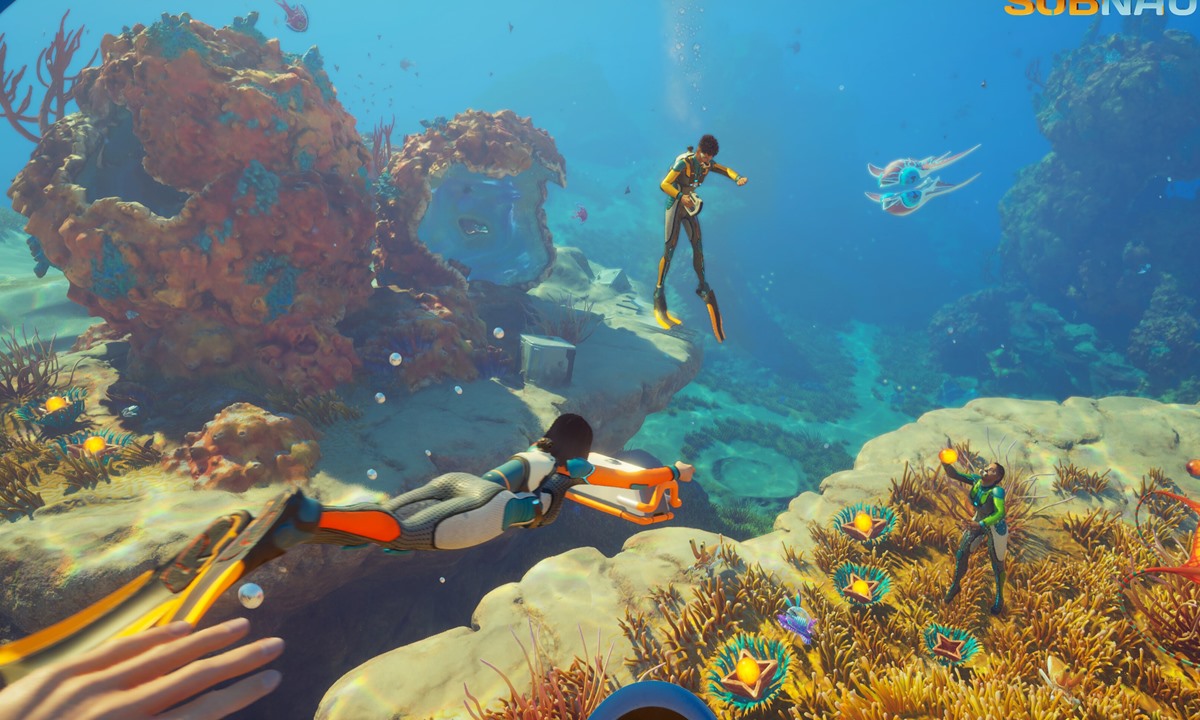
If jobs still overlap
How should co-op players split roles early?
If the team agrees on the route goal, give it a cleaner division of labor.
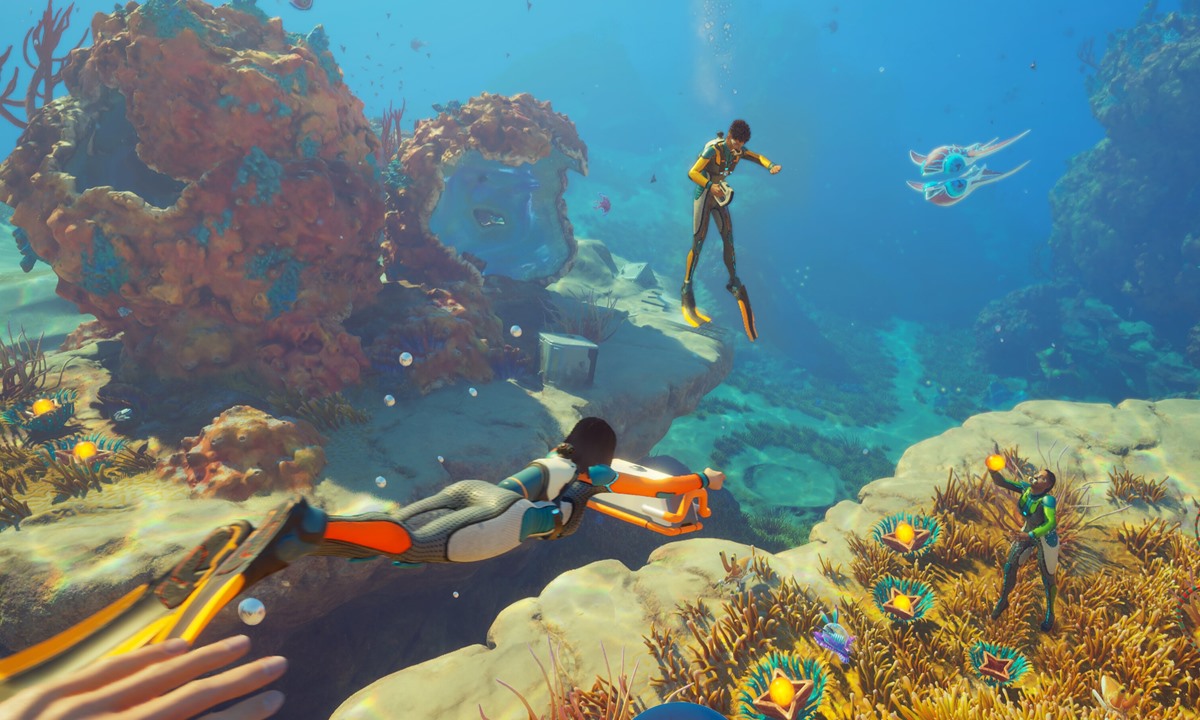
If world continuity still is fuzzy
Is progress shared in co-op?
When route structure improves but carryover still feels unclear, review shared progress.
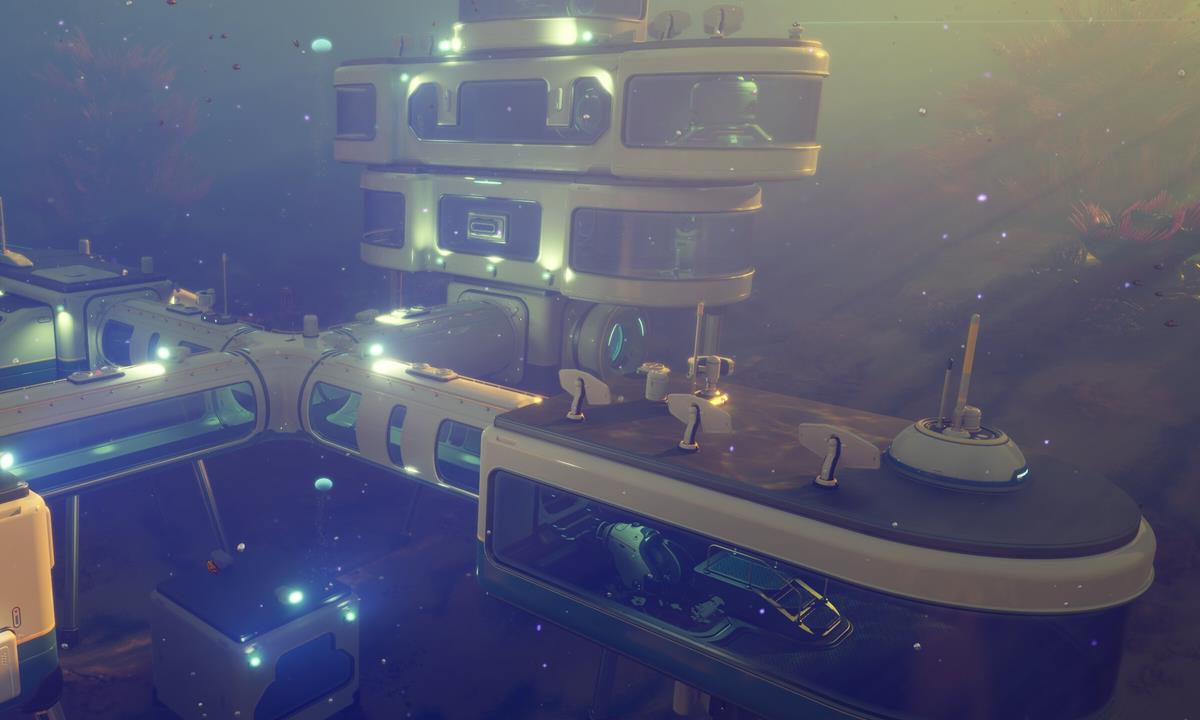
If the home side is slowing everybody down
What should you build first in your base?
If roles are clearer but the base wastes shared hauls, fix the home loop next.