The team is active, but nobody agrees on whose world, whose job, or what the session is really for.
Co-op guide
How multiplayer progression works in Subnautica 2
Multiplayer progression works best when one host world, one shared objective, and clear roles keep the team from becoming slower than solo play.
Last reviewed August 17, 2026
Patch sensitivity High
Multiplayer rules, hosting behavior, and shared progression details can shift quickly in new builds, so this page should be checked after co-op updates.
One host world, one shared objective, and one return trigger the whole team accepts.
Reviewed August 17, 2026
Patch-sensitive page
Built for team sessions
Official update linked
Your team is not failing mechanically. It is failing because host logic, role ownership, or session goals keep drifting.
Save ownership, invite flow, and progression assumptions are the parts most likely to age fast between co-op builds.
Open hosting rules first if world ownership is unclear, or open role-split guidance if the world is fine but the team still wastes time.
Quick answer
Multiplayer progression usually depends on the host save and team discipline: pick one main world, agree on one session goal, split scouting, gathering, and building roles clearly, and bank progress before side trips turn the session messy.
What this page assumes
- Co-op rules can move: use this guide as a session framework, then confirm current build behavior with the linked update material if your group is returning after a patch.
- The real blocker usually is alignment: most bad sessions come from mixed goals, unclear host ownership, or no agreed return trigger.
- Use one follow-up page only: jump to hosting rules or first-session roles depending on which argument your team actually keeps having.
End-of-session handoff route
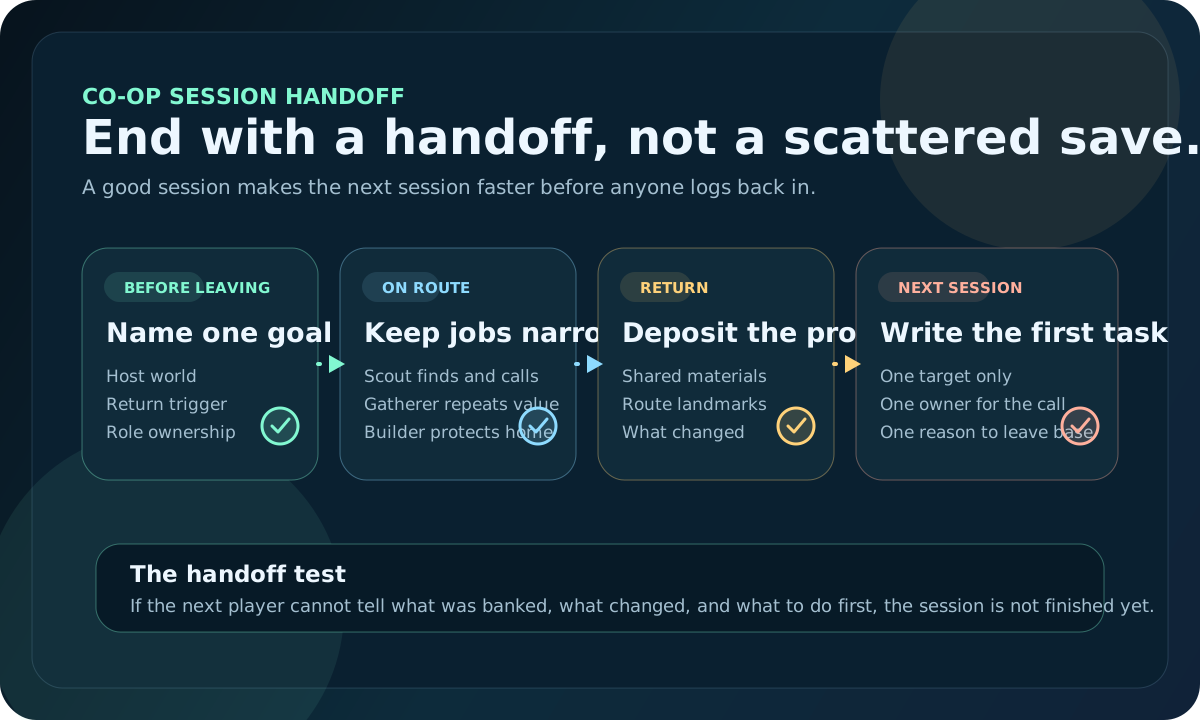
The final five minutes decide whether the next co-op session starts with momentum or another round of questions. Use this handoff after the team returns to base.
Page media
Use these before the co-op plan spreads into three different arguments.
This set keeps multiplayer practical: one shared-progress check, one hosting follow-up, and one role-split page for the first session.

Shared progress
Shared progress guide
Open this first when the team is unsure what carries between sessions or who owns the next blocker.

Host logic
How hosting works in co-op
Open this next if world ownership, availability, or session control still are more confusing than the route itself.

Role split
How should co-op players split roles early?
If the team keeps duplicating work or missing return calls, assign clear responsibilities before the next run.
Co-op session checklist
Run this checklist before the team leaves base, especially when players are splitting roles.
Co-op role table
Use this table when the team keeps gathering randomly or duplicating work.

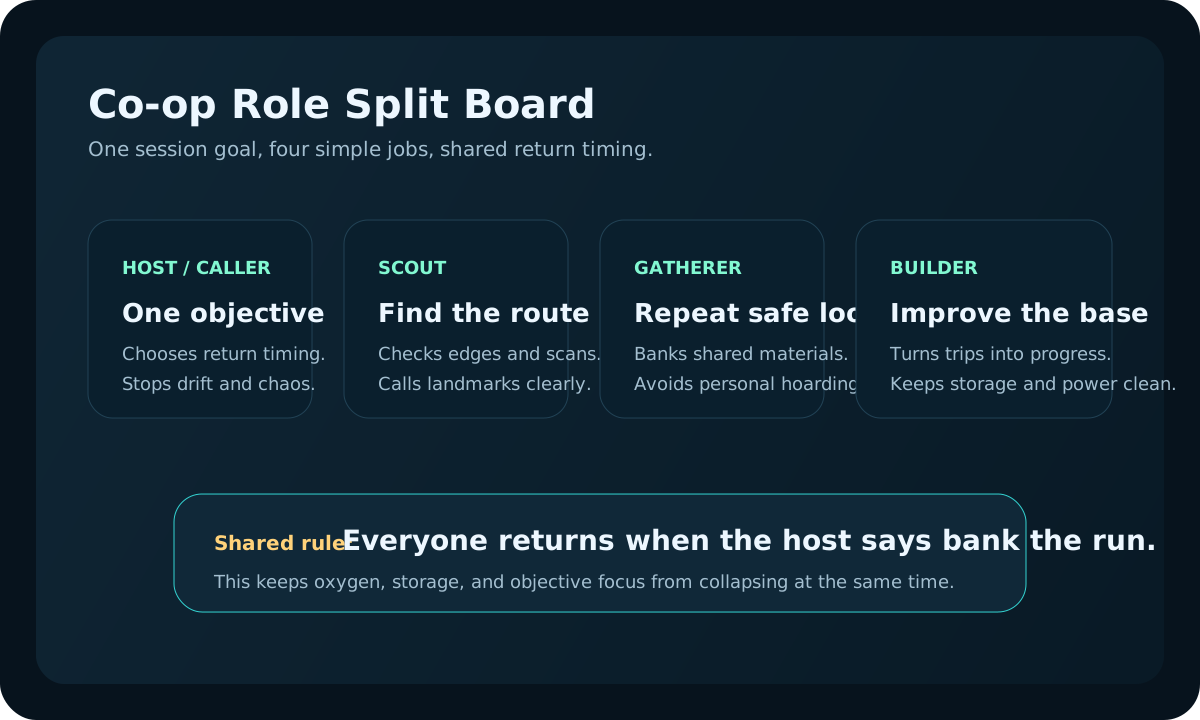
| Role | Main job | Best player behavior | Avoid |
|---|---|---|---|
| Host / caller | Set the shared objective and return timing. | Ends routes before inventory and oxygen get messy. | Letting every player chase a different goal. |
| Scout | Find landmarks, fragments, and safe biome edges. | Reports routes before anyone carries full storage. | Scanning deep routes without a return path. |
| Gatherer | Repeat safe material loops. | Deposits materials before crafting personal upgrades. | Hiding core materials in personal storage. |
| Builder | Turn resources into storage, power, and crafting flow. | Keeps the base easier to use after each trip. | Expanding rooms before supplies and power are stable. |
Real gameplay checkpoints
These are the co-op moments where role clarity matters more than raw skill.
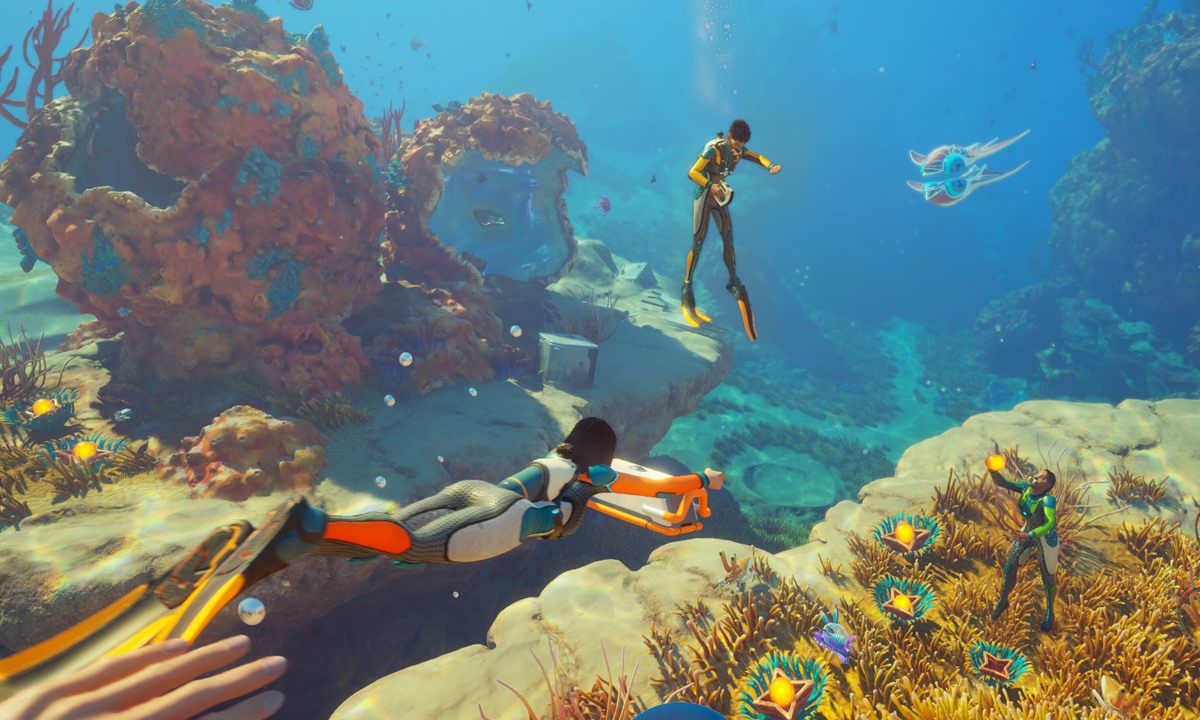
Match the scene to the real multiplayer failure: a calm start with no plan, a dangerous route where old assumptions fail, or a tense moment where nobody owns the call.
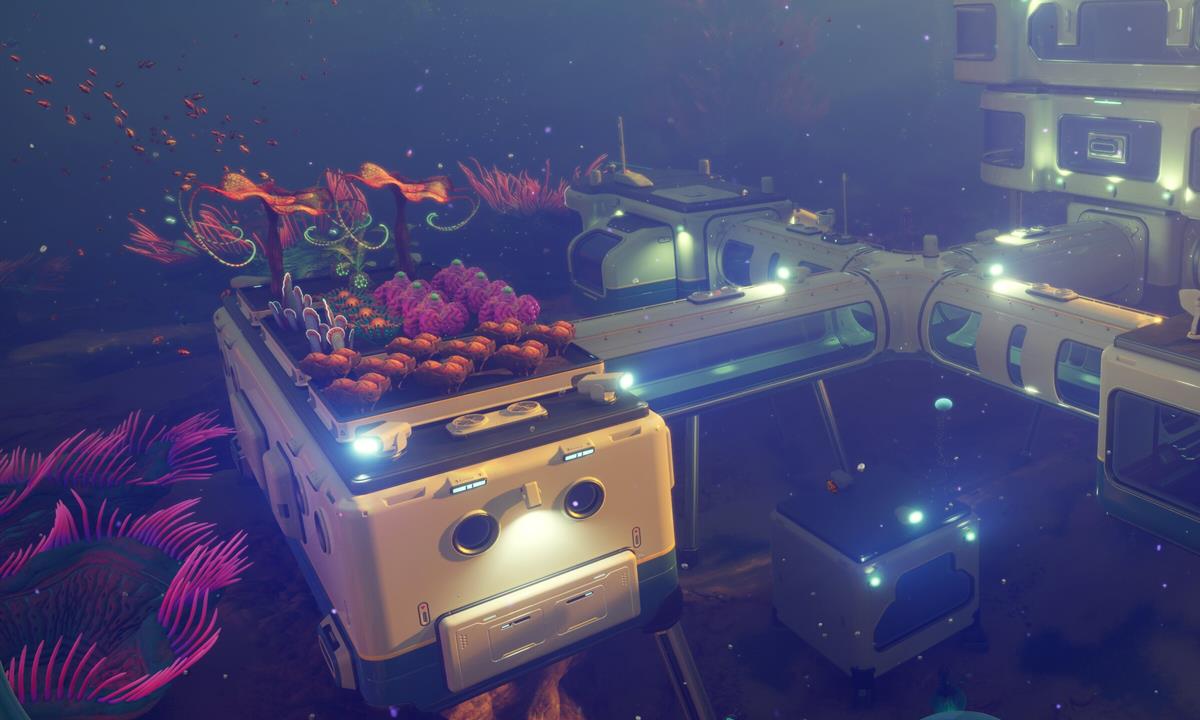
The session still is calm enough to choose a clean shared plan before it drifts.
Use role-split pages early, before duplicated jobs turn a promising start into slow messy progress.
Open first-session-roles guide
A patch-sensitive route now feels riskier than your older co-op habit expects.
Check update trust and host logic first when the team is returning after changes and old advice suddenly feels wrong.
Open update tracker
Pressure spikes fast when nobody owns scouting, retreat calls, or material banking.
Clarify host and job ownership when the team is suffering from blurred responsibilities instead of bad mechanics.
Open co-op-hosting guideBest co-op role split
- Host: keeps the world stable, calls the next objective, and decides when the team banks resources instead of stretching a trip too far.
- Scout: checks nearby biome edges, scans fragments, and reports landmarks before anyone carries a full inventory into unknown water.
- Gatherer: repeats safe material loops and keeps the base stocked with titanium, quartz, copper, food, and water basics.
- Builder: turns gathered materials into storage, power, crafting access, and later scanner support so the team feels faster each trip.
Use this first co-op session plan
Early co-op works best when the whole team can explain the same objective before leaving base.
| Session phase | Do this | Call a reset when | Good result |
|---|---|---|---|
| Before leaving | Agree on one objective, one host world, one return trigger, and who owns each job. | Two players are already talking about different goals before the route starts. | The team leaves base with one shared purpose instead of four personal errands. |
| During the route | Let the scout widen knowledge, the gatherer repeat value, and the builder protect the home loop. | Players start duplicating jobs or withholding key materials for personal upgrades. | Each role clearly speeds up the others instead of overlapping them. |
| On the return | Deposit shared materials, recap what changed, and name the next session goal before logging off. | The session ends with items scattered and no shared idea of what comes next. | The next co-op run starts faster because the recap already solved the planning. |
August 16 update: fix the co-op session before adding more goals.
Co-op usually slows down when the team adds another objective before the current one has an owner. Use this table when a session feels busy but the shared save is not moving forward.
| Team problem | Fast fix | Who owns it | Proof it worked |
|---|---|---|---|
| Everyone leaves base with a different plan. | Name one shared objective before anyone opens storage. | Host or route caller. | Every player can say the same first task in one sentence. |
| Materials disappear into personal crafts. | Deposit shared materials first, then approve one craft at a time. | Builder or base keeper. | The next craft is visible to the whole team before anyone spends extras. |
| Exploration finds useful things, but nobody can use them later. | Turn each discovery into a landmark, material, or return note before moving on. | Scout. | The team can repeat the route without the original scout explaining everything again. |
| The next session starts by asking what happened last time. | End with a two-line handoff: where resources are, and what to do first next login. | Any player before logout. | The next session begins with action, not memory reconstruction. |
Two-player first session route
- Player one stays near base and builds storage plus survival tools.
- Player two scouts short routes, scans fragments, and avoids deep detours.
- Both players return before inventory is messy, then agree on one shared craft goal.
- After the first base works, split into material loop plus exploration loop.
Confirm before serious progress
- Who hosts the main world and when that player is usually available.
- Where shared resources go before anyone crafts personal upgrades.
- Which player calls the return when inventory or oxygen gets messy.
Scale roles as the team grows
- Two players: builder plus scout-gatherer.
- Three players: builder, scout, and material runner.
- Four players: add a route caller who keeps everyone focused on one shared goal.
What usually makes co-op slower than solo
- Everyone leaves base to do the same flexible job instead of owning one narrow responsibility.
- Core materials are spent on personal upgrades before the shared bottleneck is solved.
- The host world and progress expectations are vague, so no one knows which session truly matters.
- The team keeps winning trips but never pauses long enough to turn them into a shared next-step plan.
End-of-session handoff audit
The last two minutes matter. If the team logs off without a handoff, the next session starts by rediscovering progress instead of continuing it.
| Handoff item | What to record | Why it helps | Next-session risk if missing |
|---|---|---|---|
| Host world | Who owns the main save and when they can play. | Prevents progress from splitting across worlds. | Players build momentum in the wrong save. |
| Shared materials | Where core resources were deposited. | Lets builder and crafter start immediately. | The first ten minutes become inventory searching. |
| Route knowledge | What landmark, threat, or material route changed. | Turns scout work into team progress. | The team repeats the same risky exploration. |
| Next first task | The first job for the next login. | Keeps co-op from restarting as four personal errands. | Everyone leaves base with a different plan. |
July 31 co-op progression review note
This page was tightened around the end-of-session handoff. Co-op progress feels real when the team can reopen the save later and immediately understand which route, craft, and base blocker come next.
- Use one shared objective per outing, even if players split into different jobs.
- Bank materials before crafting so the team can see what progress actually happened.
- Write the next-session target in plain language before logging out.
Next route map
Use the next page that matches what your team still cannot agree on.
If world ownership is messy
How hosting works in co-op
If the main save, session control, or who must be online is still confusing, settle hosting first.

If team jobs are overlapping
How should co-op players split roles early?
Open this next when the team keeps duplicating work or leaving base with no clear responsibility map.
If the route itself feels wrong
Solo vs co-op route differences
Once hosting and roles are clear, adjust pacing and route shape for multiplayer instead of copying solo play.