One target, one landmark chain, and one retreat rule that you already trust before the route gets loud or dark.
Practical checklist
What should you check before your first deep run in Subnautica 2?
The first deep run should not feel brave. It should feel prepared: one target, one route in, one route out, enough oxygen margin, and one clear reason to abort before panic starts.
Last reviewed August 31, 2026
Patch sensitivity High
Deep route advice changes quickly when biome layout, creature pressure, or depth pacing shifts, so recheck this page after major map or balance updates.
Stacked pressure: weak oxygen, weak exits, creature noise, or the urge to add a second goal after the first one lands.
Quick answer
Before your first deep run, confirm five things: one exact target, one visible landmark chain, one hard turn-back rule, enough oxygen and inventory margin to leave early, and a base that can actually convert the haul into progress after you get home.
Three common first-run scenarios
| What you feel | What it usually means | Best next move |
|---|---|---|
| “I can reach it, but the return feels messy.” | The route exists, but the turnaround point is not clear enough yet. | Mark the return landmark and shorten the trip before widening again. |
| “The target is tempting, but I keep adding side goals.” | The run is overloaded before it starts. | Delete every extra objective until only one job remains. |
| “I know the path, but the base cannot use the haul.” | The deep run is fine; the after-run conversion is not. | Clear storage, power, and the next craft before trying again. |
Page media
Open these first if your first deep run still feels more emotional than planned.
One page checks if the timing is right at all, one tightens the danger read, and one adds the oxygen margin that often decides whether the checklist should stay red.
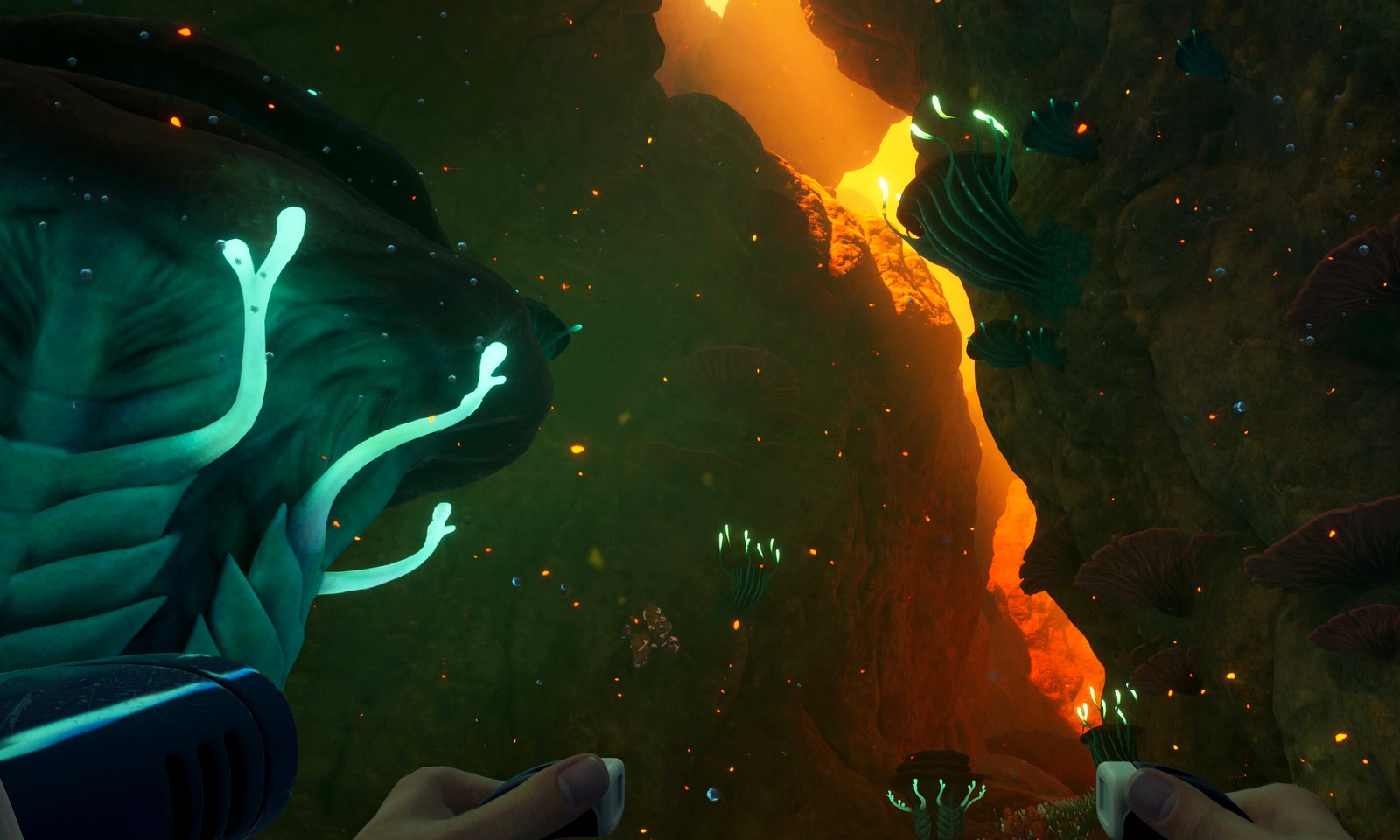
Timing
When should you go deeper?
Open this if the bigger question still is whether your shallow loop actually is finished enough for a deep attempt.
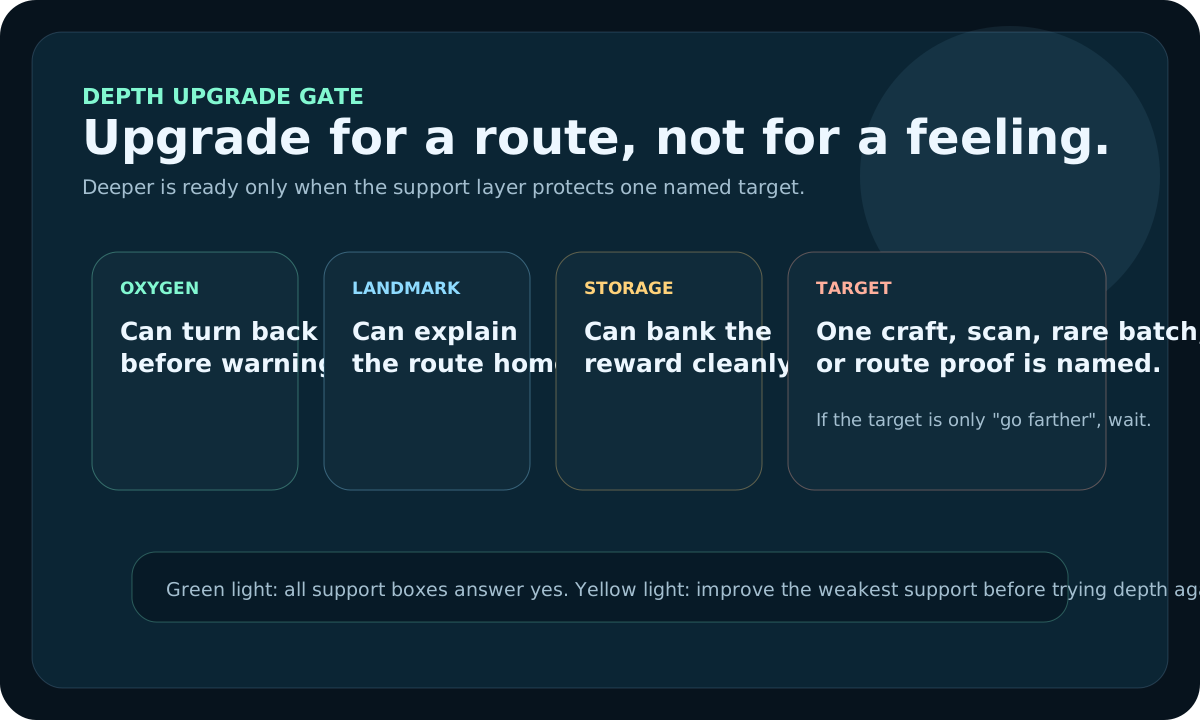
Threats
Dangerous zones to avoid early
If the route edge already feels hostile, find a safer angle before picking the first deep target.

Margin
How to get more oxygen early
If the checklist mostly passes but coming home feels tight, fix return margin before leaving safe water.
First deep run checklist
If any one of these still is vague, the deep run probably is early, messy, or both.
What to do if the checklist is only half green
If the run still feels tempting but not stable, do not force a second objective into the same trip. Use the safest fix that removes the biggest failure point first.
| What still feels weak | Best fix | Stop if |
|---|---|---|
| The target still is vague | Pick one smaller goal, one clearer landmark chain, and one exact item to bring home. | You still cannot say why this run matters more than a safer shallow loop. |
| The exit still is weak | Shorten the route, mark the last safe landmark, and remove one side stop. | The return path depends on memory instead of visible route cues. |
| Oxygen still feels thin | Delay the run, raise the oxygen margin, or switch to a closer target first. | Coming home already sounds like a rescue attempt before you leave. |
| The base is not ready | Clean storage and power first so the haul converts into progress when you return. | The run would end in sorting items instead of unlocking the next step. |
August 31 maintenance note
This review keeps the checklist focused on one safe first deep run, not a perfect route. If the next patch changes biome pressure or depth pacing, recheck the route edge and the turn- back rule before trusting a longer dive.
Deep run prep table
Use this as the final check before leaving safe water. The goal is not maximum loot. The goal is one successful first deep run you can learn from and repeat.
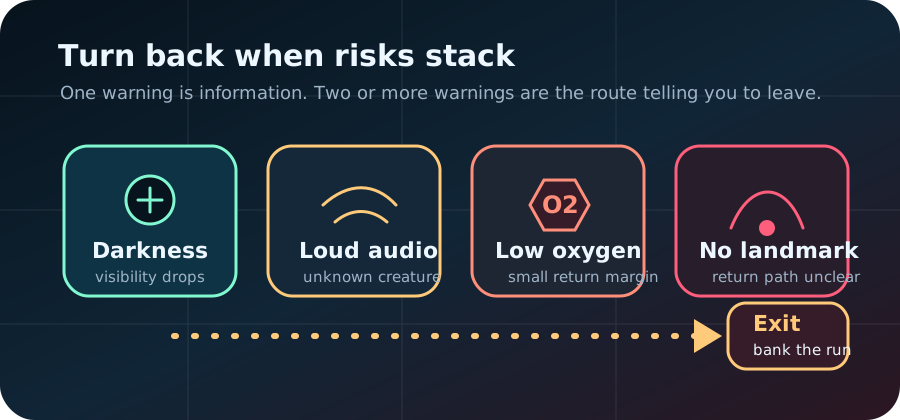
| Check | Good sign | Bad sign | What to fix |
|---|---|---|---|
| Objective | One exact unlock or material matters right now. | You are going deeper because the route looks interesting. | Name the unlock before leaving base. |
| Route memory | You know the entry landmark and the return landmark chain. | The return depends on memory or luck. | Practice the route edge first. |
| Oxygen margin | You can leave before panic even if the run feels valuable. | You already expect a tight return. | Shorten the route or upgrade oxygen first. |
| Threat stack | Only one major risk is active at a time. | Darkness, noise, low oxygen, and narrow terrain overlap. | Abort and re-enter from a safer angle later. |
| After-run value | The base can immediately turn the result into progress. | You will come home with items but no clear next step. | Clarify storage and next craft first. |
Real gameplay checkpoints
These are the three deep-run states that usually tell you whether the checklist is truly green.
One pattern says the run is ready, one says the route memory still is too weak, and one reveals that the first deep attempt is being overloaded with too many objectives.
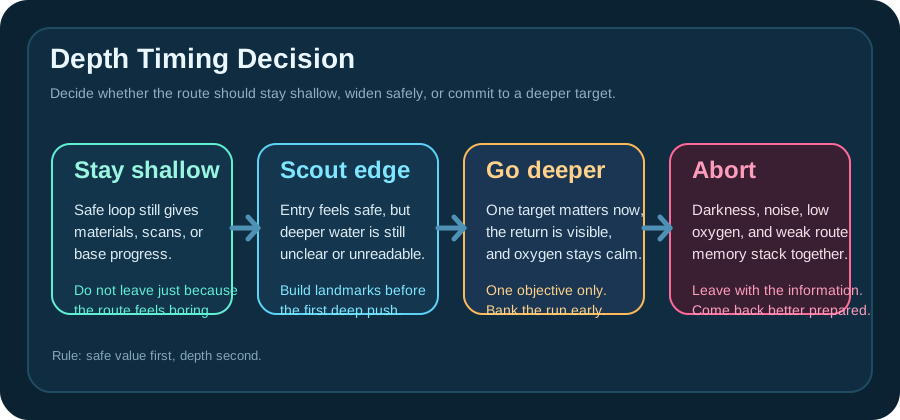
This is what ready looks like: the route is tense, but still readable.
You can name the way in, the way out, and the exact point where the trip ends before pressure starts improvising for you.
Open landmarks-navigation guide
If the return line still depends on memory, the run is not ready yet.
Rebuild the landmark chain before adding more depth when you still would struggle to explain the retreat path under pressure.
Open landmarks-navigation guide
The first deep run should not also be a scanner run, sightseeing run, and loot sweep.
When the target list grows during the dive, the checklist already has stopped protecting you.
Open depth-timing guideWhat to bring mentally
- Go in expecting to leave early, not to clear the whole route.
- Decide which warning sign ends the run before you see it.
- Accept that seeing the route clearly is progress even if the loot is small.
- Bank the first success instead of chaining a second risky objective.
Abort immediately when
- The return landmark disappears or stops feeling obvious.
- Creature pressure rises while oxygen margin already is thinner than planned.
- The terrain narrows and removes easy escape lines.
- You start improvising a second goal that was not part of the original run.
Solo and co-op difference
| Mode | Best first-deep-run rule | Main mistake | Best follow-up |
|---|---|---|---|
| Solo | Bring one objective home and treat route clarity as part of the reward. | Staying because the first deep target led to a second tempting target. | Depth timing |
| Co-op | Let one player hold route discipline while the other handles the objective. | Both players drifting deeper and losing the same return reference. | Solo vs co-op route |
Next route map
Choose the next page by the reason your first deep checklist still is not going green.

If the timing still is unclear
When should you go deeper?
If the checklist helps but shallow progress still feels unfinished, answer the depth-timing question first.
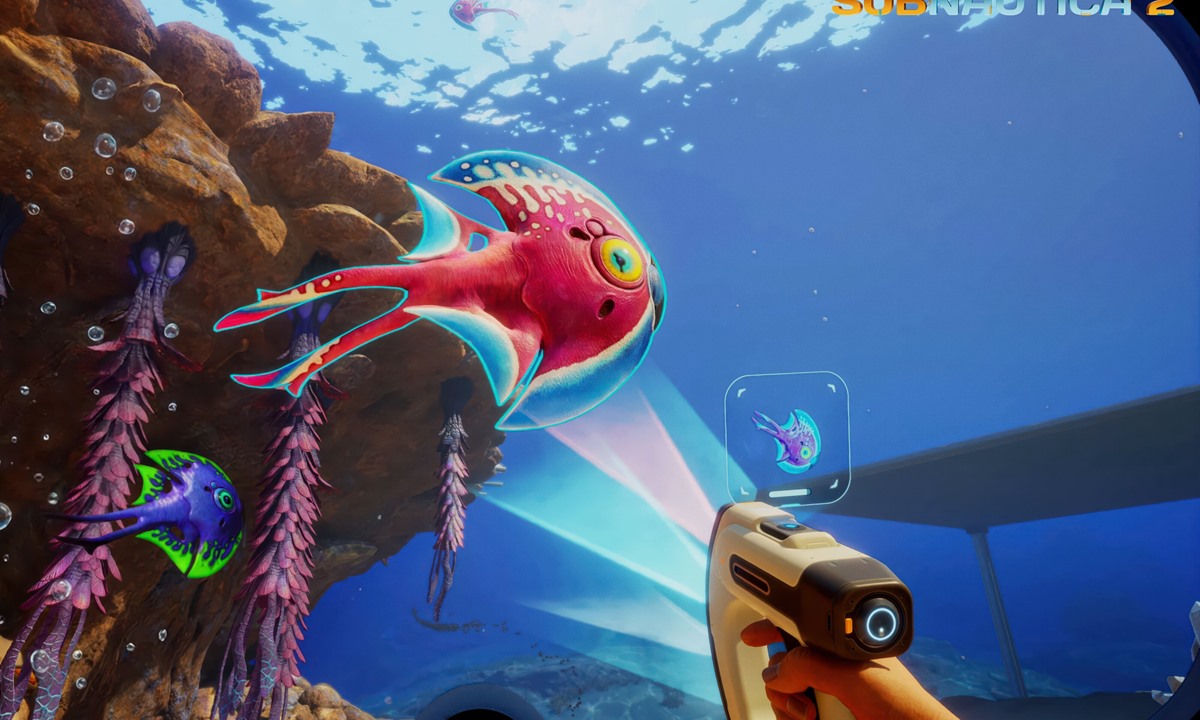
If the edge already feels too hot
Dangerous zones to avoid early
When the first deep edge is too dangerous, choose a safer biome angle before using the checklist.
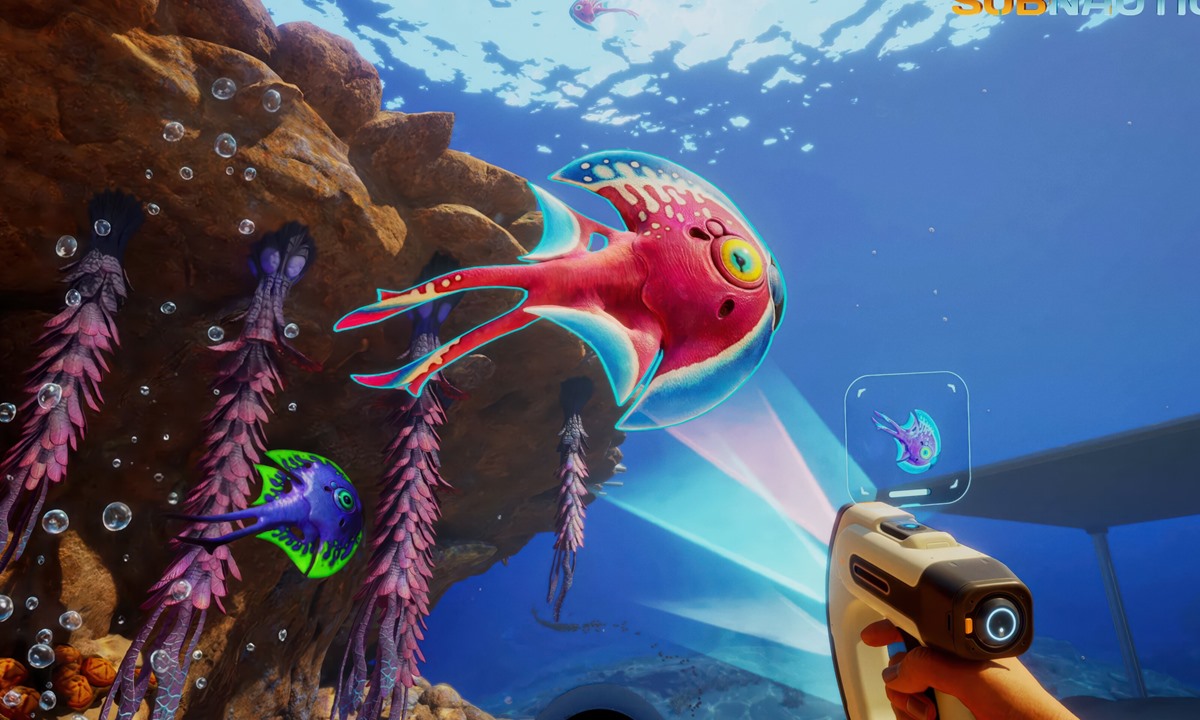
If the route works but the return still is too thin
How to get more oxygen early
If landmarks and target are fine but return budget is thin, build margin before the first deep run.