- Pick the next stage, not the next random task.
- Use checklists when the run feels scattered.
- Move to building, crafting, or routes only when the stage supports it.
Family room
Use this room when the run needs a clean next stage.
Progress pages help when the save is not broken, but the next step is unclear. This hub keeps stage planning, checklists, and session resets together so momentum does not stall.
Progress lanes
Stage pages work best when they point to one exact next move.
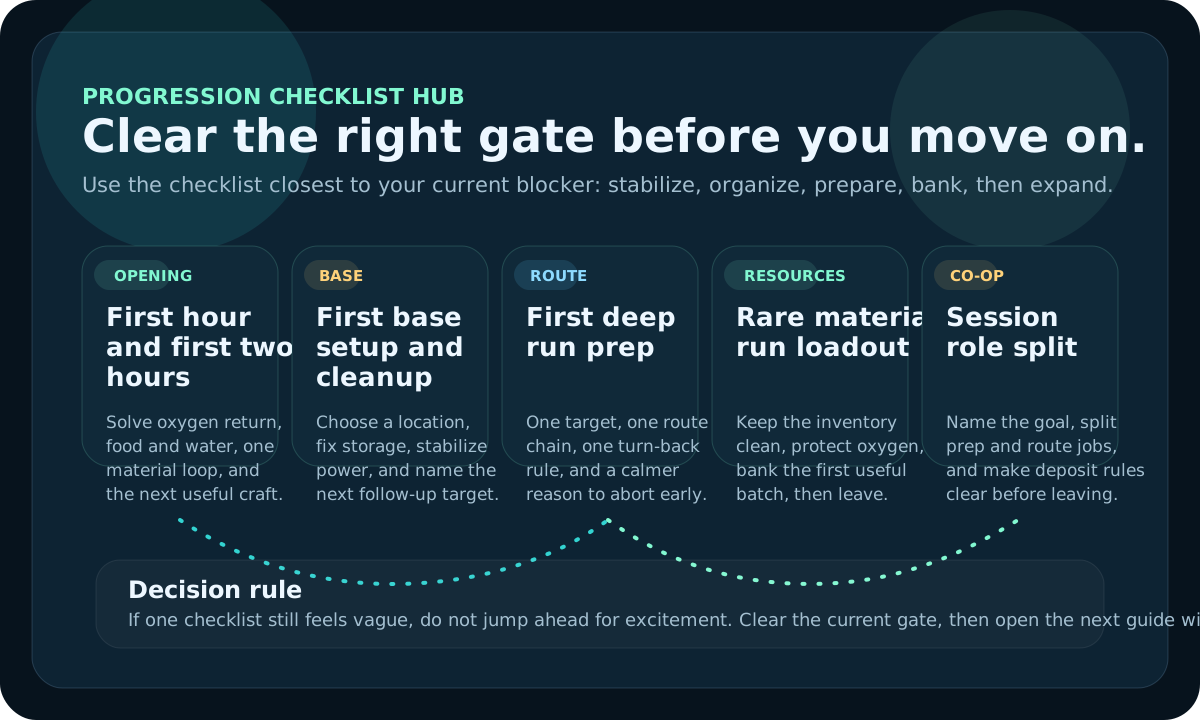
ChecklistOpen the progress checklistUse this when you need one short sequence instead of a vague plan.
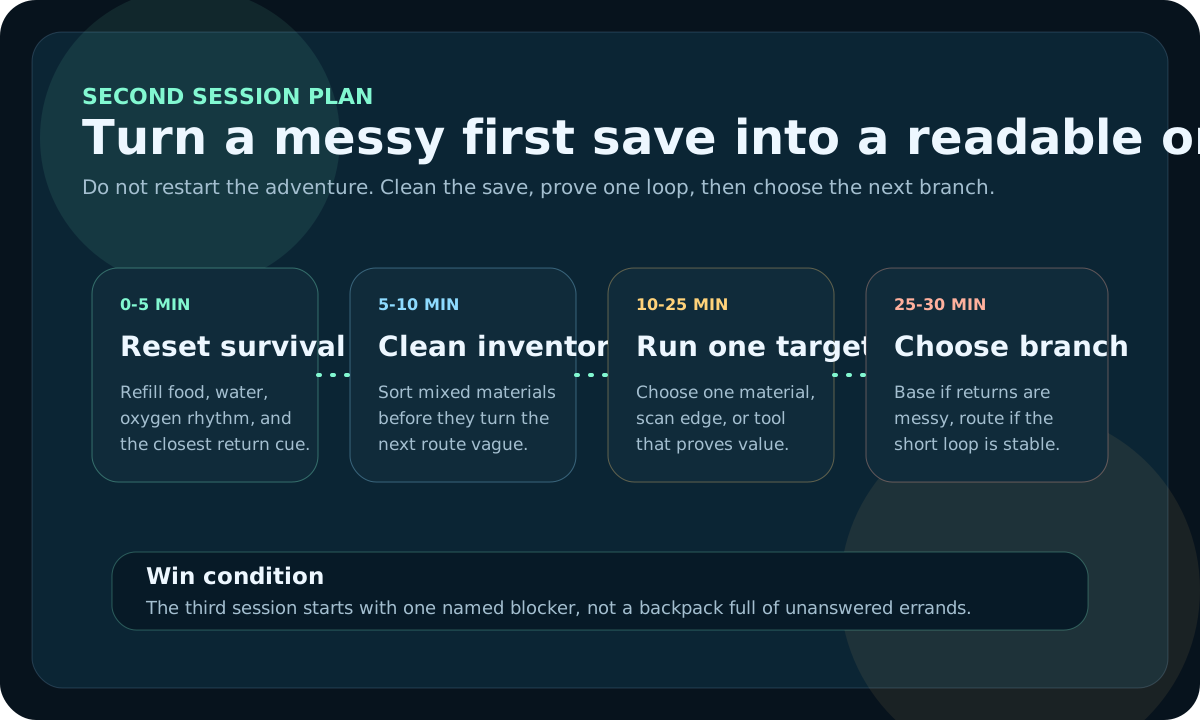
Second sessionReset the save cleanlyUse this when the next session should pick up one clear task.
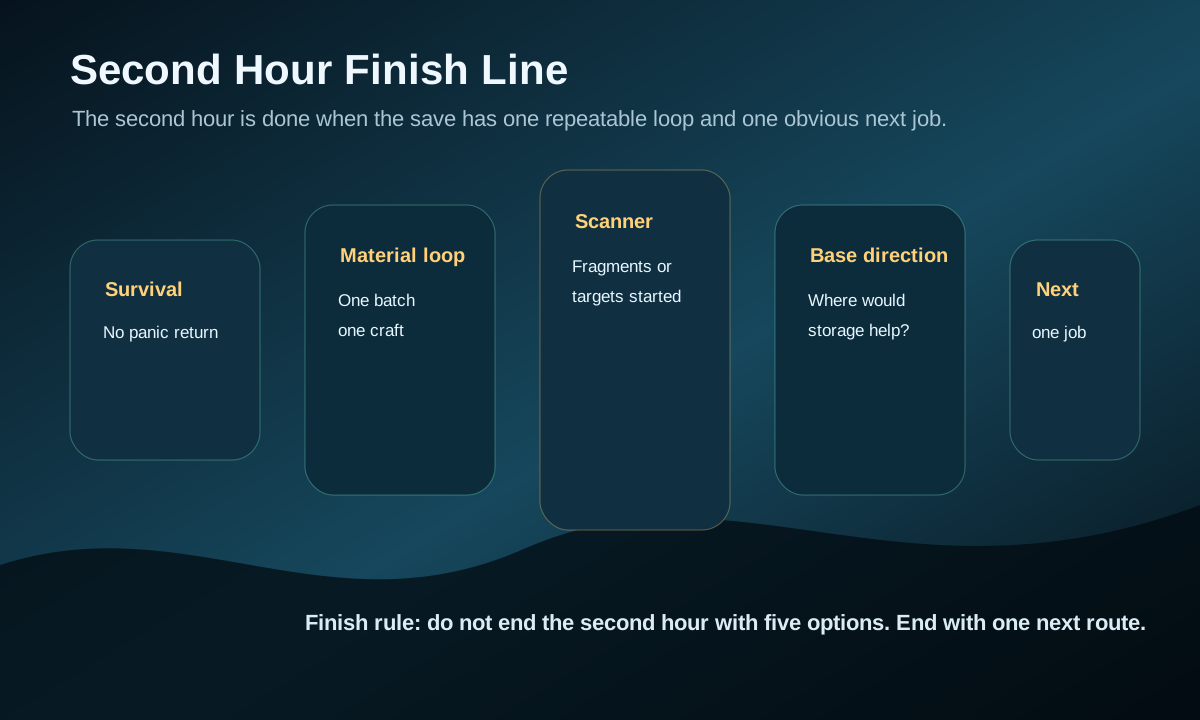
Next stepDecide what to do nextUse this when the save has moved forward, but not enough to feel obvious.
Progress map
Match the stage problem to the page that restores momentum.
| Progress problem | Open this | Why it helps |
|---|---|---|
| You need one exact next step | What to do next | It turns a vague stage into a short decision. |
| You want to plan the whole save stage | Progress checklists | It keeps the task list short and sequenced. |
| You are between play sessions | Second session plan | It helps you restart without wasting the first ten minutes. |
| You think the save may be drifting | Update tracker | It shows which patch-sensitive pages deserve a recheck. |
Stage help
What this hub should decide once the opening is over.
Progress pages are for the moment when survival is no longer the question and the next useful stage is. They should point to one clear move, not reopen the whole archive again.
- Staying in beginner mode after the save is already stable.
- Mixing route, base, and upgrade questions without choosing one stage first.
- Starting a new session without a clean restart plan.
- Open Checklists for the shortest stage plan.
- Open Building if structure work is now the blocker.
- Open Troubleshooting if the page issue is freshness, not progress.
Progress depth
What the progress room should do between one stage and the next.
Progress pages are most useful when they stop a session from drifting. They should show the player what the current stage is, what the next stage unlocks, and which page should be opened when the run gets messy.
- Choose the next stage that removes the most friction.
- Use one short sequence instead of a giant checklist.
- Switch to a more specific hub when the stage question becomes a route, base, or resource question.
- Trying to solve progression and planning in the same block.
- Treating every step as equal when one step clearly unlocks the rest.
- Using progress pages to hide that the real blocker is a material or map decision.
- Open Progress Checklists for a compact next-step list.
- Open After first base when the stage change follows a build.
- Open Troubleshooting if the page itself feels off.
Stage triage
How to choose the next useful stage.
A progress page should make the next stage feel obvious. If the save is stable but directionless, use the stage that removes the biggest repeat problem from the next session.
| Current state | Best next stage | Why this is not filler |
|---|---|---|
| Survival is steady, but routes are short | Plan a repeatable route | Route length controls materials, scans, and safe returns. |
| Storage is messy and trips overlap | Stabilize a base loop | A small base can remove repeated cleanup trips. |
| Materials are ready but no craft is obvious | Choose the next craft | Progress happens when a batch becomes a useful unlock. |
| The guide may be stale after an update | Check update-sensitive pages | Patch drift can make old route advice less reliable. |