You already can bring materials home, but the home side still wastes enough time that every good route feels less valuable than it should.
Efficiency guide
Best early storage upgrades in Subnautica 2
Good early storage is not about building more boxes everywhere. It is about creating one clear drop flow, one visible next-craft area, and one layout that makes every route easier to repeat.
Last reviewed August 17, 2026
Patch sensitivity Low
Storage advice is mostly stable unless locker size, vehicle inventory, or early base pacing changes in a major patch.
One entrance drop point, one next-craft locker, and one clear split between survival supplies and build materials.
Quick answer
The best early storage upgrade is the one that ends wasted return time right away. Prioritize quick-drop storage, one visible next-craft area, and cleaner route deposits before expanding into more complicated rooms or vehicle storage.
Page media
Open these first if your routes are fine, but your base still turns every return into a slow decision pile.
One guide helps you place the base, one stabilizes power behind the layout, and one helps you turn cleaner storage into better vehicle carry capacity later.

Placement
Best first base location
If storage still feels bad because the base is in the wrong place, fix the route hub first.

Power
How base power works
If layout is better but powered systems interrupt storage and crafting, stabilize support next.

Carry
Best vehicle upgrades
Jump here once the home loop is clean and the next gain should come from longer or fuller collection routes.
Good fit if
- Good routes keep ending because inventory or home storage fills too early.
- You already own enough materials, but cannot tell what the next craft is missing.
- In co-op, players keep duplicating runs because nobody can read the storage layout quickly.
- You want fewer wasted trips before you start building more rooms or vehicles.
Storage upgrade route
Early storage should improve decisions first and capacity second. The goal is to make returns short, obvious, and safe.
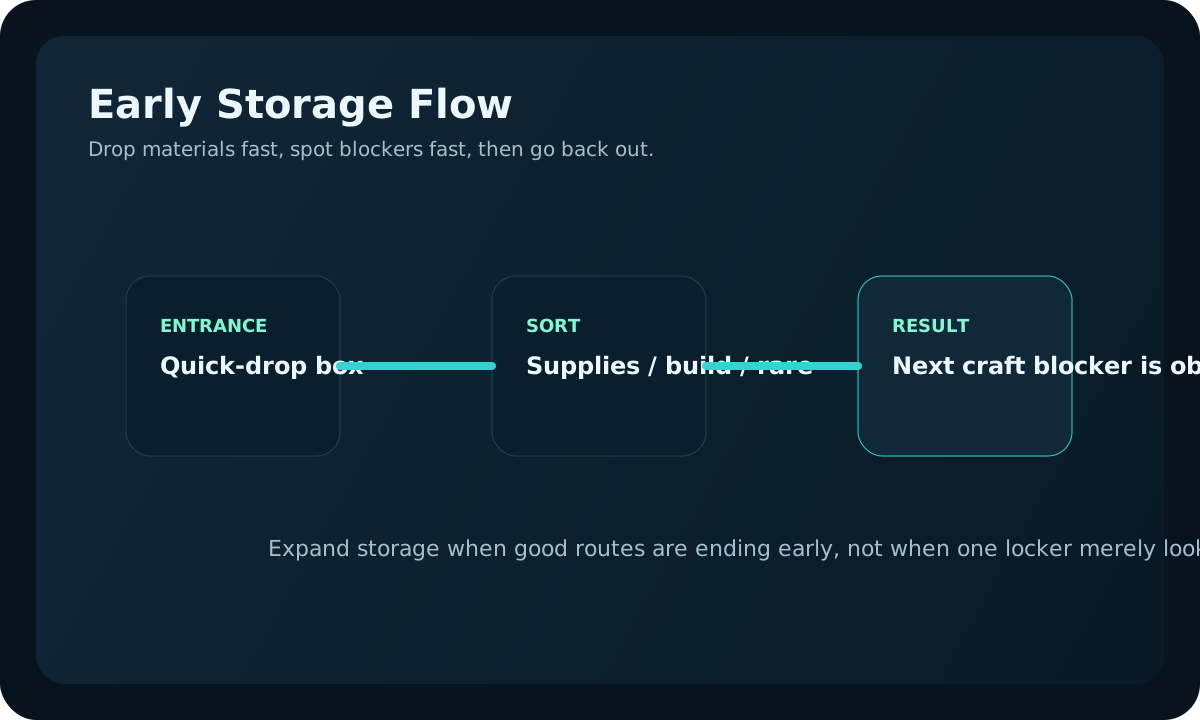
| Storage step | Do this | Why it matters | Do not overbuild yet if |
|---|---|---|---|
| Entrance drop | Add one fast deposit area near the base entrance. | Routes end cleanly before the next decision starts. | You still are searching for space before every deposit. |
| Next-craft locker | Reserve one place for the next important unlock. | Missing materials become obvious instead of hidden in clutter. | You keep spending rare parts on random filler crafts. |
| Survival split | Separate food, water, med items, and route prep from build materials. | Trip prep stops interfering with base decisions. | You still are opening build lockers while preparing to leave. |
| Expansion | Add more storage only after the first three steps already work. | More containers help only when the layout already is readable. | The current problem still is organization, not total capacity. |
Real gameplay checkpoints
These are the three storage states that usually decide whether you need a layout fix, more capacity, or a different base plan altogether.
One pattern says the storage loop already is almost right, one shows clutter masquerading as low capacity, and one reveals that the base itself still is the bigger problem.
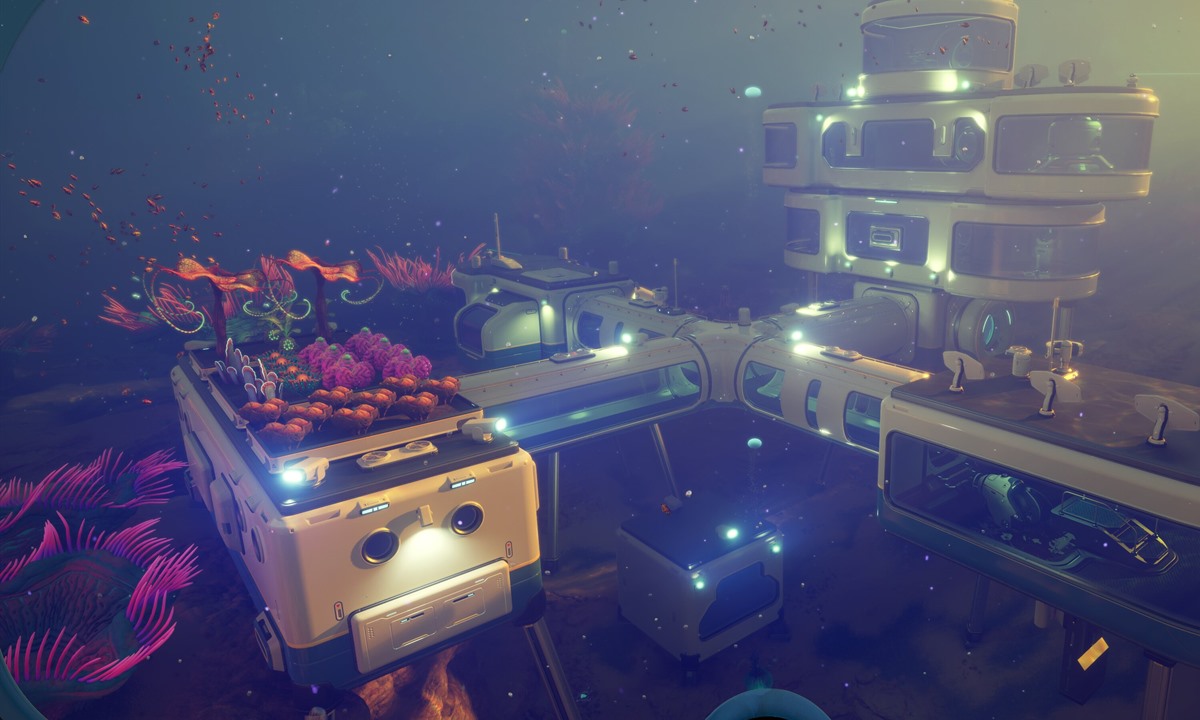
This is the best early storage shape: short return, fast drop, obvious next craft.
Once the next blocker is visible, every farming route gets better because materials stop vanishing into noise.
Open material-priority guide
The lockers are not too small yet. The layout just still is forcing too many decisions at once.
Do one clean storage reset before building more rooms if the problem still is unreadable deposits and mixed priorities.
Open first-base-build-order guide
If returns always feel long, storage might not be the first thing to fix.
When the base sits off the main route, even perfect lockers will not erase wasted travel time back home.
Open first-base-location guideStarter storage layout
| Storage spot | Use it for | Why it matters |
|---|---|---|
| Entrance quick drop | Fresh route materials from the current loop. | Lets players bank a run fast before oxygen, hunger, or another route decision starts winning. |
| Craft blocker locker | Items needed for the next tool, room, or vehicle step. | Makes the missing material obvious without checking every container. |
| Rare material reserve | Low-volume items that should not be spent by accident. | Protects important finds from disappearing into routine filler crafts. |
| Food and water shelf | Consumables for the next trip. | Keeps survival prep separate from base-building choices. |
Storage layout test after two return trips
A storage upgrade is working only if it changes what happens after a real route. Run two normal return trips, then judge the layout by speed, clarity, and whether the next craft is easier to start.
| Checkpoint | Good sign | Fix if it fails |
|---|---|---|
| Entrance drop | You can empty pockets quickly without sorting every item perfectly. | Add one temporary return locker before adding more themed storage. |
| Next-craft locker | The missing material for the next tool, room, or vehicle step is obvious. | Move blocker materials into one visible place and label the goal mentally. |
| Overflow control | Common materials do not bury rare finds or survival supplies. | Split routine Titanium/Copper from rare route finds before expanding rooms. |
| Route-specific storage | Materials from the same repeated route land together and reveal what to run next. | Create one locker per repeated route instead of one locker per vague material type. |
July 31 storage cleanup audit
This page was cleaned up to avoid stacked media blocks and to focus the advice on what players can verify after one return: faster deposit, clearer next craft, and fewer duplicated runs.
- If the player still opens several lockers to start one craft, capacity is not the first problem.
- If co-op teammates duplicate routes, the next-craft locker needs clearer ownership before more storage.
- If every return is slow, check base location or power before turning the page into another container list.
Upgrade storage when
- Good routes end because pockets fill before the useful part of the loop is done.
- You cannot tell which material is actually blocking the next craft.
- Shared base sessions keep duplicating runs because deposits are unclear.
- The base already works, but still does not convert hauls into progress fast enough.
Do this before expanding rooms
- Create one entrance drop point and commit to using it every return.
- Reserve one visible place for the next unlock before hoarding everything else.
- Separate survival prep from base materials so leaving and crafting stop interrupting each other.
- Only then decide whether the real need still is more containers or just clearer habits.
Co-op storage rules
- Give each player a visible lane: gatherer, builder, scanner, or survival support.
- Keep the next shared craft in one obvious place so teammates do not duplicate routes.
- Deposit before crafting in co-op, because silent spending causes more wasted time than low capacity does.
Next route map
Choose the next page by the reason your home loop still is slower than the water routes feeding it.

If the home anchor still is wrong
Best first base location
If the real problem is where the base sits, more lockers will not fix the return loop.
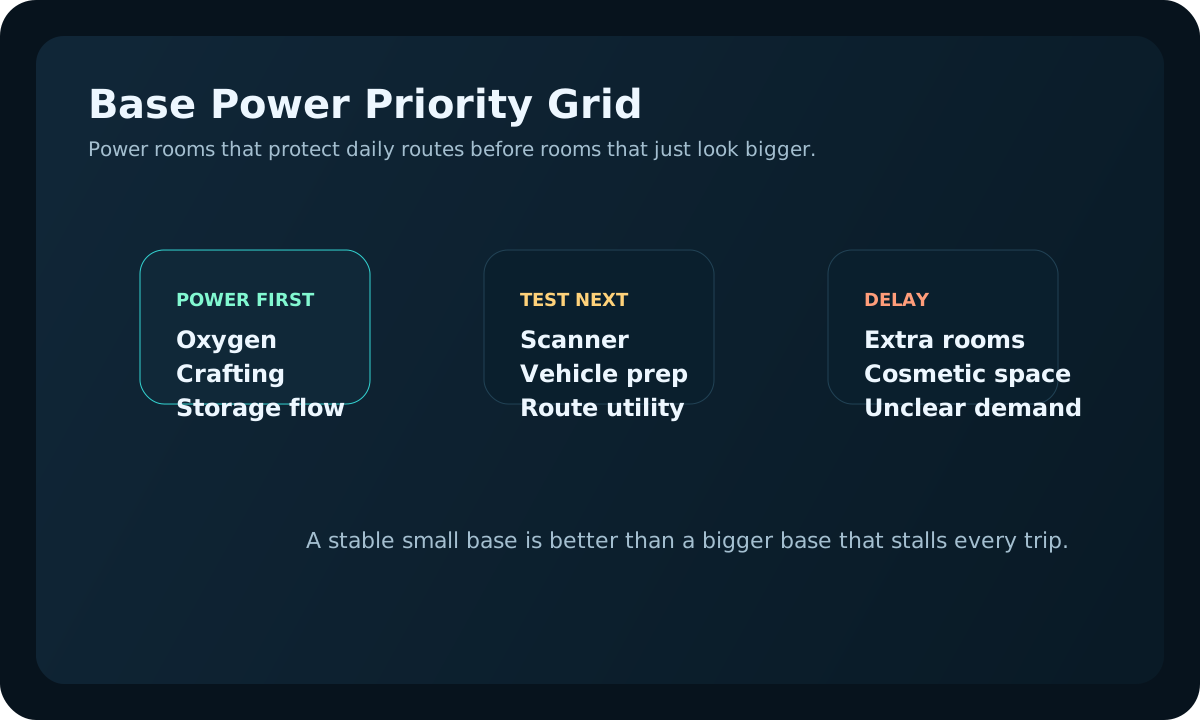
If storage is cleaner but the base still stutters
How base power works
Once organization improves, address unstable powered support before expanding again.

If home is fixed and now the route needs more carry space
Best vehicle upgrades
When base flow is clean enough, make the next gain come from stronger collection trips.