Quick answer
The best early food source is whichever keeps the player alive with the least travel and the lowest risk. Consistency matters more than maximizing value on a single run.
Survival guide
Food guides work well when they give players a stable loop instead of a long list of possibilities they are not ready to use yet.
Food advice is stable, but route timing is rechecked when early survival pacing or starter biome pressure changes.
The best early food source is whichever keeps the player alive with the least travel and the lowest risk. Consistency matters more than maximizing value on a single run.
Page media
Food advice is strongest when it stays tied to water, oxygen, and a short route that can be repeated without turning survival into the whole session.

Visual read
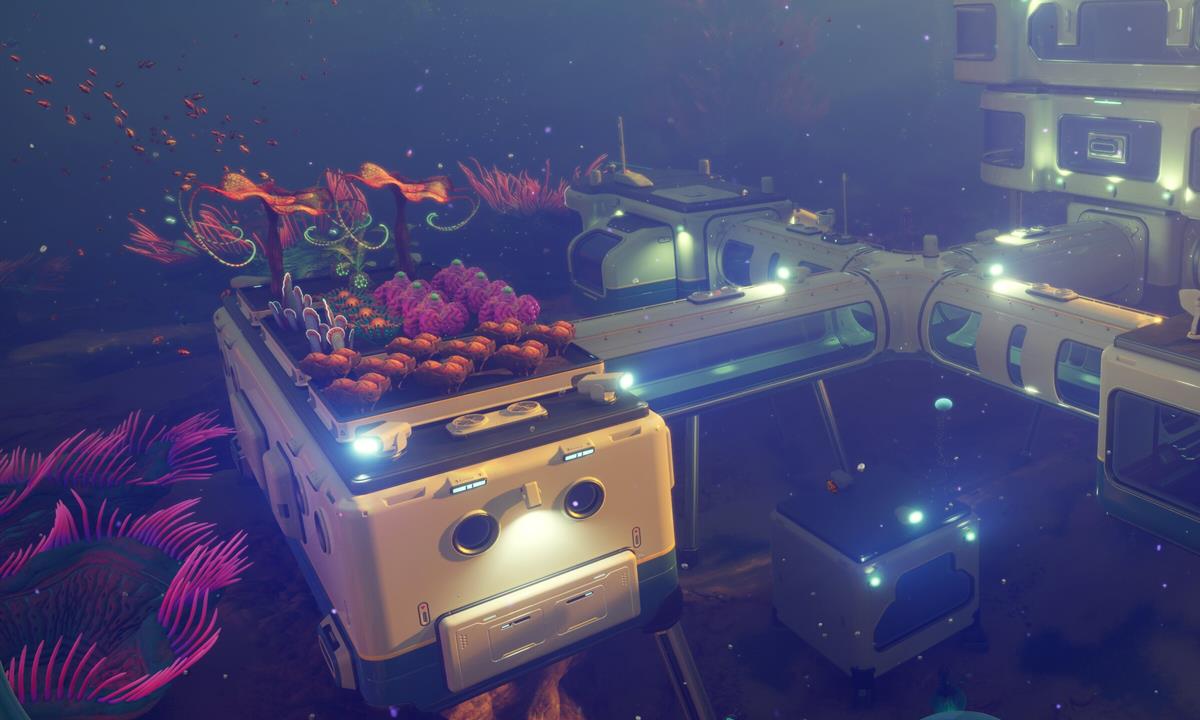
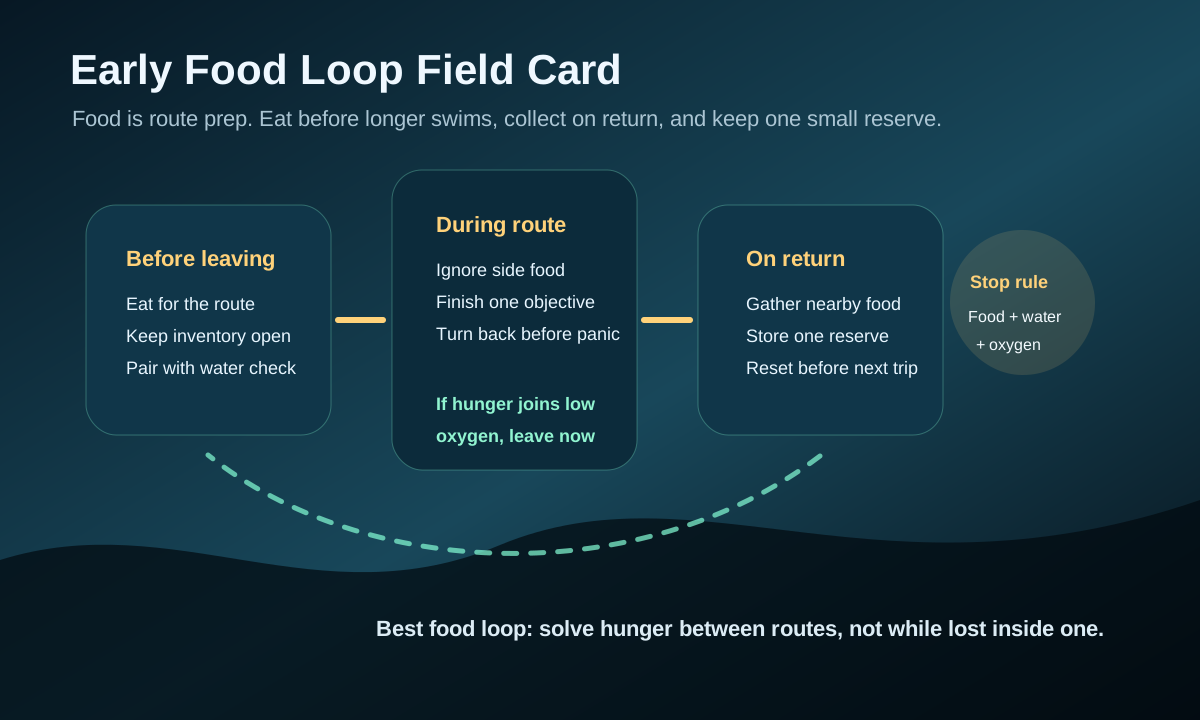
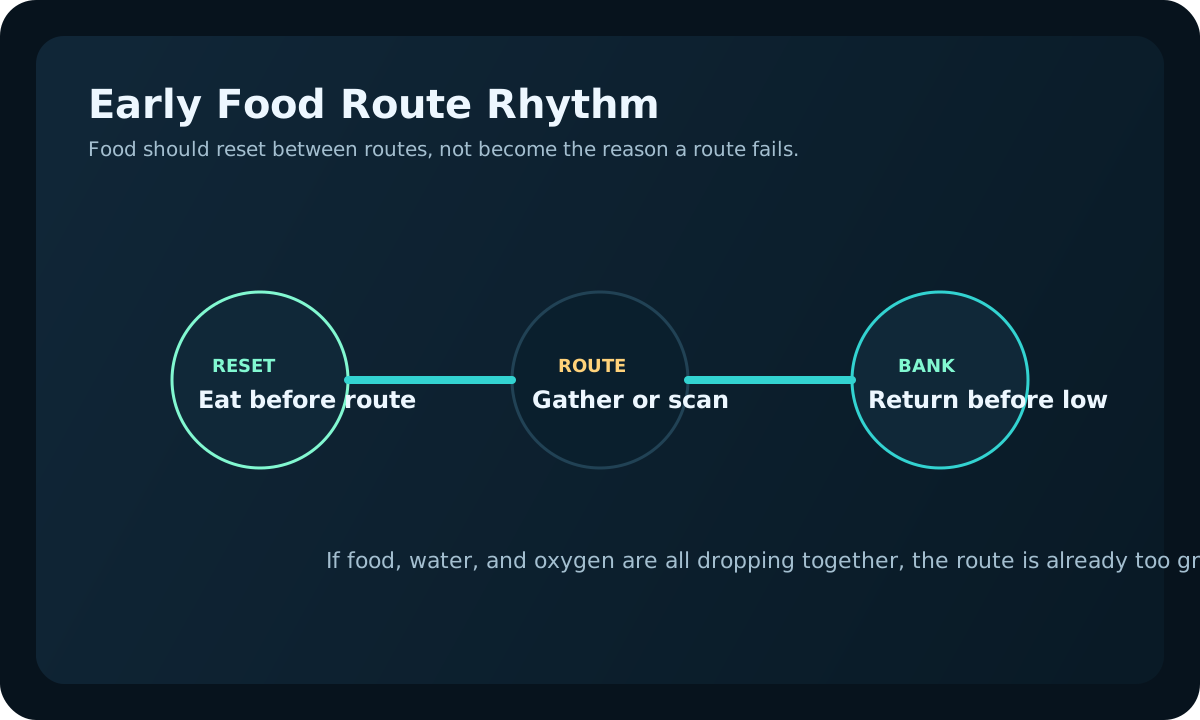
Early food is not about a perfect long-term setup. It is about leaving base stable, returning before hunger stacks with oxygen, and keeping inventory space for the actual route goal.
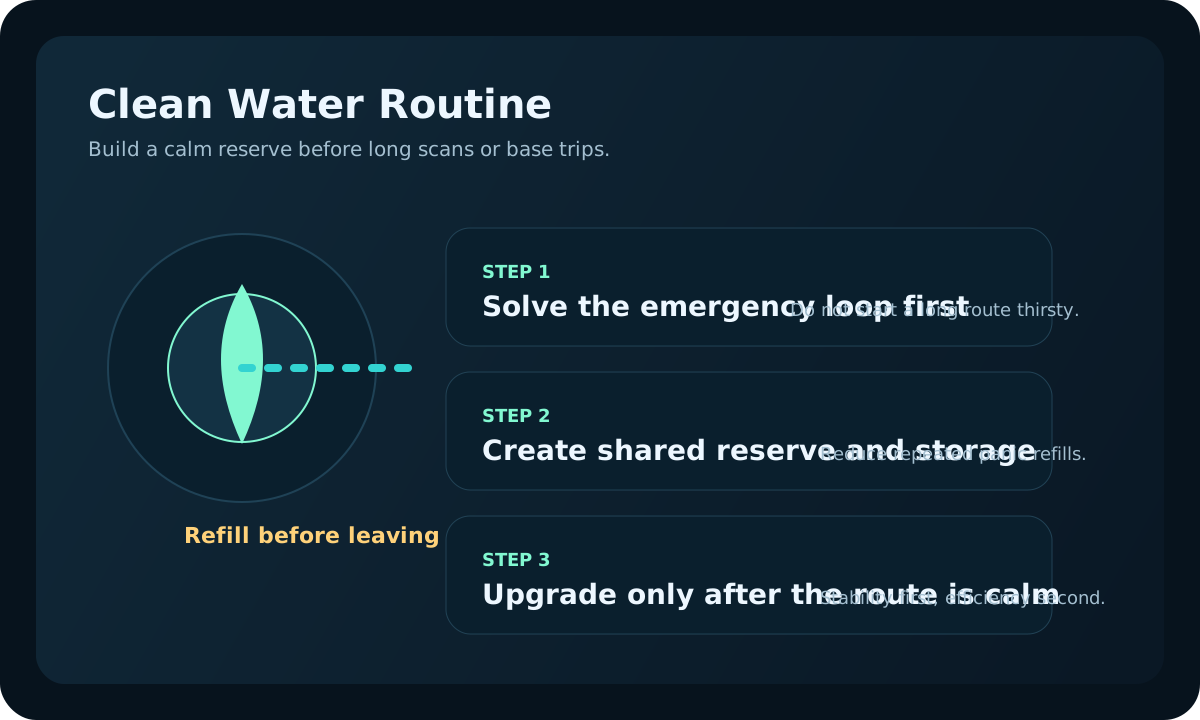
Eat before a material loop so food does not steal inventory space or force an early turn-back.
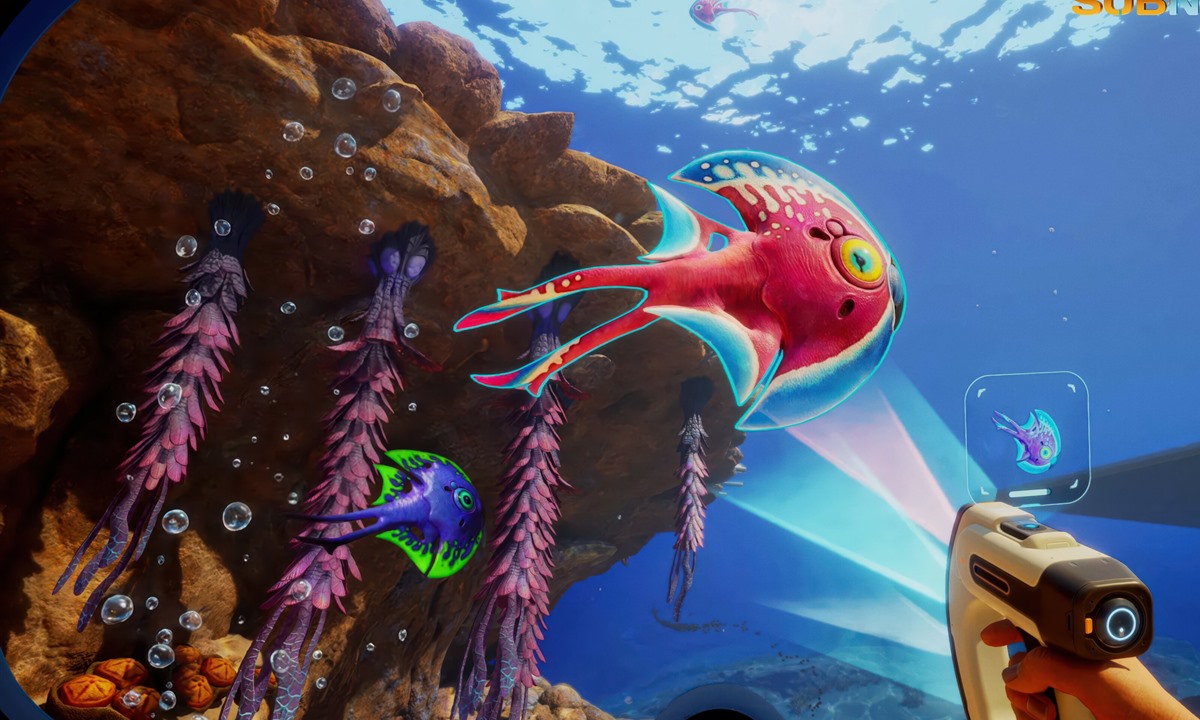
If food, water, and oxygen all fall together, shorten the route instead of trying to gather more.
Pick food planning based on the next trip length, not on a perfect long-term food setup.
| Trip type | Food plan | Good sign | Mistake to avoid |
|---|---|---|---|
| Short resource loop | Eat before leaving, gather extras on return. | Inventory stays focused on materials. | Filling pockets with food before a material run. |
| Long exploration route | Carry or store backup food first. | Hunger does not force the turn-back decision. | Ignoring food until oxygen and water are also low. |
| Co-op split roles | Keep shared food near water and storage. | Players can resupply without asking the builder. | Sending everyone on separate food errands. |
Pick the food plan by the trip you are actually about to take, not by the most efficient option in a vacuum.
| Player scenario | Best food move | Why |
|---|---|---|
| First clean resource lap | Eat at base and leave with a small reserve. | You want one calm return, not a full survival stockpile. |
| Longer scan route | Pack food only after water and oxygen are settled. | Food should not be the reason the route gets shortened. |
| Co-op supply reset | Assign one player to restock food beside water. | The team needs one shared restart point, not separate errands. |
Reviewed August 17, 2026. Recheck this page after any early survival balance change that makes food, water, or route length feel meaningfully different.
Use the closest safe source that keeps the route short. Early food is not a collection quest; it is a support loop that keeps the next useful trip from collapsing halfway through.
| Food source type | Use it when | Why it wins early | Stop using it when |
|---|---|---|---|
| Closest safe pickup | You need food before a short route and do not want extra travel. | It keeps the run calm and leaves room for the real objective. | The route is long enough that one pickup is no longer enough. |
| Return-trip gathering | The route already has a natural way back through a safe edge. | It turns the same trip into both survival prep and route progress. | You start detouring just to collect food. |
| Stored reserve | You are preparing for a longer swim or a co-op session. | It prevents hunger from becoming a surprise mid-route blocker. | Storage becomes cluttered or the reserve is too large for the route. |
| Shared reserve in co-op | Multiple players keep interrupting each other for supplies. | It gives the group one stable reset point instead of four separate errands. | Players still split without checking the shared stock first. |
A normal survival page should help readers leave at the right moment, not keep them stuck on food when another system is now the real issue.
| Need | Best action | Stop rule |
|---|---|---|
| Short safe route | Grab nearby food before leaving and avoid turning food gathering into exploration. | Start the route only when food is stable enough to finish the objective calmly. |
| Longer material run | Prepare food before the trip and pair it with water and oxygen checks. | Return when food pressure appears before the target is complete. |
| Co-op session | Assign one player to refresh food and water before route splitting. | Do not split the team while shared survival supplies are unclear. |
Judge food by whether it protected the real objective. A good food routine makes the next route calmer without stealing the inventory space the route needed.
| What happened | Meaning | Next adjustment | Do not |
|---|---|---|---|
| Food stayed stable and inventory stayed useful | The routine is good enough for this route length. | Repeat the same prep before widening the route. | Overpack food just because the run went well. |
| Hunger forced the turn-back before the route goal | The route is longer than the current survival prep. | Eat earlier or shorten the route target. | Patch the problem mid-route while also low on oxygen. |
| Food took too much inventory space | The prep solved survival but hurt the material goal. | Eat before leaving and keep only a small reserve. | Turn every material run into a food run. |
| Co-op players kept asking for supplies | The team lacks a shared reset point. | Put food beside water and assign one restock owner. | Let every player invent a separate food plan. |
Reviewed August 17, 2026: this page was tightened around the practical question players actually have after the first few trips: how much food prep is enough without turning every route into survival busywork?